
Welcome to a flavorful journey
Today we shine a light on a beloved dish family and friends savor: the Best Taiwanese Rice Bowls And Bento Plates Recipes for Taiwanese Food Lovers in America. This piece celebrates the cultural value and culinary significance of these bowls and plates. In Taiwan, meals are more than sustenance; they are a daily gesture of care, balance, and shared joy. In American kitchens and eateries, these dishes invite curiosity and appreciation for precise technique, seasonal ingredients, and thoughtful presentation. Let’s explore how this cuisine speaks to heart and palate.
What makes Taiwanese rice bowls unique
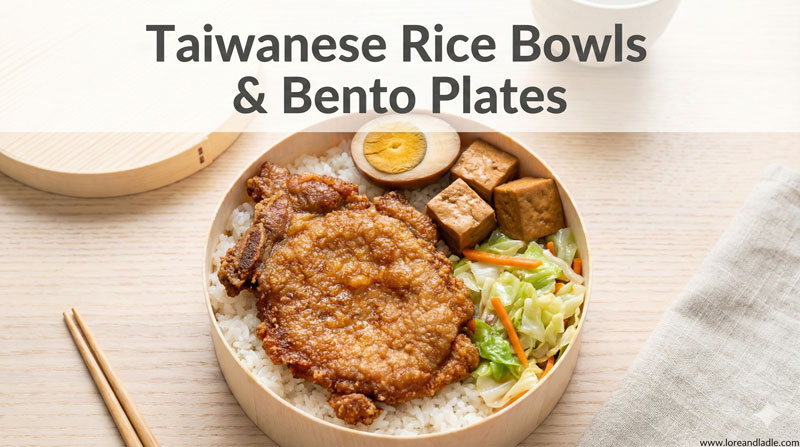
Taiwanese rice bowls center on harmony. Each bowl starts with a warm bed of rice and adds a careful mix of protein, greens, and a bright touch of pickled vegetables or sauce. The goal is balance: savory, sweet, sour, and salty all in one clean, readable plate. The result is comforting yet adventurous, familiar yet new with each bite. This approach mirrors a larger philosophy in Taiwanese cooking: let technique respect ingredients, and let color and aroma guide the dining experience.
Core components and essential techniques
Rice forms the sturdy canvas. Short- to medium-grain varieties are favored for their slightly chewy, satisfying bite. Proteins range from braised pork to soy-glazed chicken, each prepared with simple, attentive simmering or quick searing. Vegetables bring crisp texture and brightness, often lightly pickled or blanched to keep their color. A key feature is layering flavor through umami-rich sauces and aromatics.
- Protein classics include braised pork, beef, or chicken with soy, garlic, ginger, and a touch of sugar or rice wine.
- Vegetables are chosen for color and texture, enhancing the bowl with green, orange, and deep hues.
- Finishing touches can be a soft-cooked egg, sesame seeds, or a small burst of pickled mustard greens.
These elements come together through clear steps: season and braise, steam or fry vegetables briefly, and assemble with care. The result is a bowl that tastes like a neighborhood recipe passed down with pride, yet adaptable to Home Cooks across America.
Bento plates: balance and artistry on a plate
Bento plates bring artistry to everyday eating. They emphasize portion balance, thoughtful color, and neat arrangement. The eye travels across the plate, from glossy rice to tender meat, to crisp greens and bright pickles. This visual harmony mirrors the flavor balance, creating a satisfying experience from first glance to last bite.
- Color contrast matters: the bright greens, deep browns, and pale whites work together to invite a bite.
- Texture variety keeps the meal engaging: chewy rice, tender protein, crisp vegetables, and a silky egg or silky sauce.
- Proportions are deliberate: protein, vegetables, and rice share the plate so no single element overwhelms the others.
In American settings, these plates also become social art. Friends gather, plates are passed around, and the care in plating becomes a shared part of the meal’s story.
Regional flavors and seasonal variations
Taiwan’s culinary landscape offers delightful regional notes that show up in bowls and bentos. Northern flavors often favor soy glaze and sesame, delivering a clean, comforting profile. Southern influences may lean into fragrant herbs and brighter pickles. Seasonality matters, so cooks tailor bowls to what’s fresh. In spring, you might see lighter greens and citrus notes; in autumn, richer braises and deeper soy tones make a cozy counterpoint to cooler days.
These variations celebrate local markets and the cook’s palate. The resulting bowls remain true to core ideas—rice, protein, greens, and a bright accent—while offering inviting differences that keep every meal interesting.
A place in American kitchens and eateries
In America, these Taiwanese bowls travel into homes, cafés, and pop-up kitchens with ease. They invite cooks to explore technique and flavor without overwhelming complexity. The result is accessible, friendly cooking that preserves cultural beauty while inviting local adaptations. The bowls foster shared meals, where family recipes meet fresh ingredients and new twists. The experience is warm and inviting, a gentle bridge between tradition and everyday life.
Practical tips for making these flavors at home
- Start with good rice. Rinse well, cook to a slightly chewy texture, and let it rest for a few minutes.
- Build flavor in stages. Braise proteins slowly to develop depth, finish greens quickly to retain crunch, and add a bright finishing component like pickles or fresh herbs.
- Keep a small pantry of essentials. Soy sauce, a touch of sugar or mirin, garlic, ginger, and sesame seeds form a reliable flavor foundation.
- Plate with care. Use a neat arrangement to highlight colors and textures. A glossy sauce glaze on the protein can add visual appeal.
- Adapt with what you love. If you prefer poultry, pork, or tofu, you can still achieve balance by adjusting cooking times and seasoning.
This approach makes the experience approachable yet refined, helping home cooks enjoy a taste of Taiwan in their own kitchen.
The cultural value of these dishes
These bowls and plates are more than meals; they are daily rituals of care. They demonstrate how simple ingredients, when treated with respect, can create soulful flavors. They teach patience, balance, and attention to detail—qualities that shine in every kitchen. Sharing a well-prepared bowl becomes a small celebration of community, season, and craft. The dishes honor tradition while inviting ongoing experimentation, so cooks feel connected to a long line of flavorful, generous meals.
Conclusion: celebrating beauty in every bite
The Best Taiwanese Rice Bowls And Bento Plates Recipes for Taiwanese Food Lovers in America celebrate more than taste. They honor technique, balance, and the joy of sharing. By honoring rice as a canvas, by layering proteins and greens with care, and by presenting food with thoughtful arrangement, these dishes invite listeners to savor culture through food. In American kitchens and eateries, they offer a welcoming path to explore Taiwan’s comforting flavors and refined culinary artistry. May each bowl be a small, friendly ambassador of taste, texture, and togetherness.