
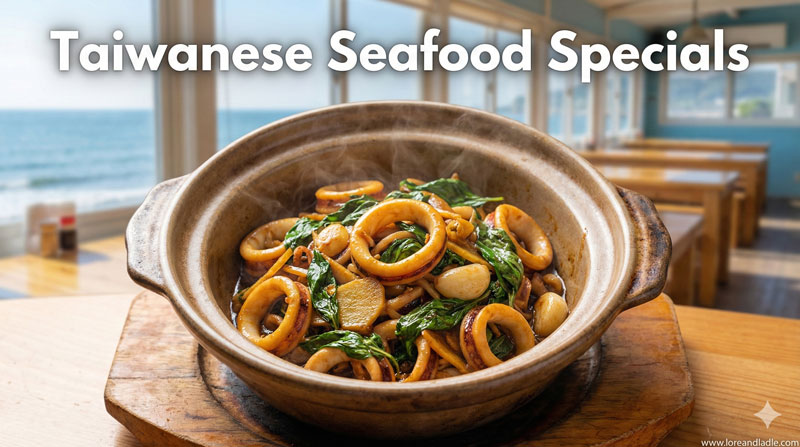
Opening: A Window into Taiwanese Seafood Traditions
Best Taiwanese Seafood Dishes: Favorites for Family Dinners in America invites readers into a cuisine where the ocean’s bounty meets careful technique and warm conversation. The dishes celebrate freshness, balance, and shared moments around the table. In homes across America, these recipes become a bridge between seas, markets, and family hearts. The aroma of garlic and ginger, the shimmer of soy, and the bright lift of scallions tell a story of craft, patience, and care.
The Heart of Family Dinners
Taiwanese seafood dishes are built for togetherness. They favor simple, clear flavors that let the natural sweetness of seafood speak. Meals are framed by aroma, color, and texture, inviting everyone to gather, taste, and reflect. Each dish offers a moment of hospitality: a steaming plate passed from hand to hand, a shared sauce that everyone dips into, a quiet pause to savor a perfectly steamed piece of fish. This focus on communal enjoyment gives the cuisine its warm, welcoming character and makes it ideal for family dinners in American kitchens.
Signature D dishes and Their Stories
-
Three-Cup Shrimp (三杯蝦): A fragrant trio of sesame oil, soy sauce, and rice wine braises shrimp with garlic and ginger. The technique concentrates sweetness and depth, while the aroma signals a comforting reunion at the table.
-
Oyster Omelette (蚵仔煎): A harmonious mix of plump oysters, eggs, and a light starch batter, fried until the edges are crisp and the center stays tender. A savory sauce adds brightness, making this dish both rustic and refined.
-
Steamed Fish with Ginger and Scallions (清蒸魚): Fresh fish cooked gently to preserve delicate flavors. A drizzle of hot oil with minced ginger and scallions awakens the dish, showcasing precision and respect for seafood quality.
-
Salt and Pepper Squid (椒鹽魷魚): Tender squid tossed in a quick, hot wok with garlic, chilies, and a touch of starch for a crisp exterior. The contrast between crunch and chewiness highlights texture as a central flavor.
-
Clam Soup with Goji Berries (蛤蜊湯): A clear, comforting broth that carries the sweet mineral notes of clams, balanced with goji sweetness and a kiss of white pepper. It’s a restorative, welcoming starter for a family meal.
Each dish tells a small story about how ingredients are handled, how heat is managed, and how tenderness and bite are balanced. Together, they form a spectrum: from delicate steamed fish to robust fried panel textures, all aligned toward a shared feast.
Techniques That Elevate Freshness
- Gentle steaming and simmering: These methods deliver moisture and flavor without overwhelming the seafood’s natural texture.
- Quick wok stir-frying: A high-heat, short-cook approach preserves color, crunch, and aroma, while marrying garlic, ginger, and chilies with the main ingredient.
- Layered aromatics: Garlic, ginger, scallions, and sesame oil are used in measured, complementary ways to build depth without masking freshness.
- Sauces that sing softly: Soy, rice wine, and a touch of sugar or citrus illuminate sweetness from the sea, rather than drowning it.
- Visual balance: Colorful garnishes and crisp textures create a plate that is inviting to the eye as well as to the palate.
These techniques reflect a philosophy: let the seafood shine, while seasoning supports, never overwhelms. The result is a clean, expressive set of flavors that families savor together.
Flavor Philosophy: Balance and Umami
Taiwanese seafood dishes embrace balance. The goal is harmony among salty, sweet, and savory notes, with a bright lift from citrus or scallion. Umami—the rich, savory depth—comes from ingredients like soy sauce, seafood stock, and careful browning. Yet brightness remains essential: a squeeze of lime, a swirl of fresh herbs, or a kiss of fresh pepper keeps flavors lively and modern. This philosophy makes the dishes adaptable to different tastes and seasons, while preserving the essence of sea-craft and home cooking.
Serving and Presentation: A Visual Celebration
Serving is an extension of hospitality. Dishes are plated in a way that emphasizes shared tasting and communal joy. A steaming platter invites everyone to gather, while smaller bowls and dipping sauces encourage dipping and sampling. The colors—white fish, pale shells, emerald scallions, and amber oils—create a table that feels festive yet comforting. Presentation matters because it reinforces the idea that food is love made visible.
Adapting at Home in America: Ingredients and Access
American markets offer a wide range of fresh seafood and Asian ingredients. For Home Cooks, the key is choosing the freshest available item and respecting its texture. If a market has frozen fish, thaw gently and pat dry to maintain texture. Common substitutions include:
- Fresh or frozen shrimp, small to medium size for Three-Cup Shrimp.
- Oysters or clam meat for Oyster Omelette.
- White-fleshed fish such as tilapia, sea bass, or snapper for Steamed Fish.
- Calamari or squid tubes for Salt and Pepper Squid.
Local fishmongers and Asian markets often provide a broader selection and helpful tips on prep. The beauty of these dishes lies in their flexibility: you can honor tradition while embracing the ingredients you find, keeping the flavor profile recognizable and comforting.
Conclusion: A Living Culinary Heritage
Best Taiwanese Seafood Dishes: Favorites for Family Dinners in America celebrate how seafood and family cookery come together. The dishes honor freshness, technique, and the joy of sharing a meal. They offer a clear path to cook with heart in American kitchens, while keeping a respectful, inviting tone. In every bite, the ocean’s bounty becomes a bridge—tone, texture, and aroma weaving together a story of care, craft, and communal pleasure. This is the beauty of Taiwanese seafood cuisine: a living, delicious heritage that nourishes both body and belonging.