
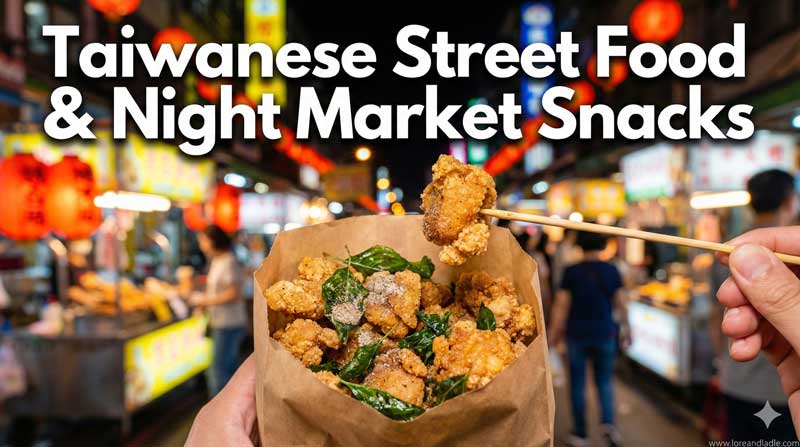
Introduction: Discovering a vibrant collection of flavors
The dish “Best Taiwanese Street Food And Night Market Snacks Recipes for Taiwanese Food Lovers in America” is more than a cookbook. It is a celebration of everyday meals, shared bites, and the lively spirit of Taiwanese street culture. This collection gathers popular snacks, bright with color and aroma, and presents them in a way that welcomes curious cooks. It invites readers to explore how simple ingredients become meaningful, comforting foods. The result is a bridge between street-side cooking and home kitchens, built on respect for technique and tradition.
The cultural value of street food in Taiwan
Taiwan’s street food scene springs from a habit of gathering, tasting, and talking over small plates. Each bite becomes a quick story about place, season, and craft. The night market is more than a place to eat; it is a social hub where neighbors share recommendations, families introduce new tastes to the young, and old favorites are revisited with fresh energy. This collection captures that momentum. It highlights how small, portable dishes fit into busy evenings, late-night conversations, and weekend outings. The cultural value lies in the sense of community, the way flavors cue memory, and the craft behind each recipe—careful frying temperatures, deliberate braising times, and the balance of textures that makes a bite feel complete.
Culinary significance: flavors, textures, and techniques
Taiwanese street snacks prize balance. Crunch meets tenderness. Salt meets sweetness. Fresh herbs meet bold sauces. The culinary significance of the recipes in this collection rests on a few core ideas:
- Core techniques: quick frying, steaming, braising, and tossing with bright dressings. These methods create contrast and a satisfying mouthfeel.
- Ingredient harmony: calls for soy, sesame, garlic, chilies, vinegar, and pickles that brighten each bite without overpowering it.
- Textural play: crisp edges, soft interiors, chewy bits, and springy toppings come together in one snack.
- Visual appeal: vibrant toppings, glossy sauces, and carefully arranged serves invite the eater to savor with both eyes and palate.
By presenting these elements in clear, accessible steps, the collection helps cooks feel confident honoring tradition while enjoying modern kitchen tools.
Highlights from the collection: a few timeless staples
Within “Best Taiwanese Street Food And Night Market Snacks Recipes for Taiwanese Food Lovers in America,” expect a curated few that showcase diversity in flavor and form. For example, gua bao offers tender pork, pickled cucumbers, and a smear of tangy sauce inside a fluffy steamed bun. Oyster omelette blends briny seafood with a crisp-edged batter and a touch of starch for a silky finish. Bubble tea arrives as a beloved sip with chewy pearls, pairing sweetness with a cool, creamy note. Each dish is presented with respect for its origin, yet described in a way that invites Home Cooks to recreate at their own pace. The result is a portfolio of bites that echo the energy of a night market while remaining approachable and comforting for American kitchens.
The sensory experience: aroma, color, and rhythm
Street snacks are sensory events. The aroma of sizzling oil, sesame, and garlic signals appetite. The pops of color—from green scallions to bright pickles—draw the eye. The rhythm of cooking, plating, and serving mirrors the energy of a busy market. This collection emphasizes these senses, helping readers imagine the scene before the first bite. It invites cooks to bake in the moment, paying attention to timing and balance, so every plate feels both familiar and new.
Bringing street food home: practical ideas for American cooks
A key goal of the collection is to make authentic tastes accessible. Readers in America can expect practical guidance that respects the essence of each snack. Suggestions include:
- Using readily available ingredients that approximate traditional flavors.
- Adapting sauces to suit local pantry staples while preserving the dish’s character.
- Emphasizing techniques that are straightforward in a home kitchen, such as proper oil temperature for frying and gentle heating for delicate fillings.
- Thinking in terms of small portions and quick assembly, which mirrors the market’s fast-paced rhythm.
These ideas reinforce that you can enjoy iconic Taiwanese snacks at home without losing the charm of street preparation.
Regional flavors and seasonal variety
Taiwan’s geography brings a delightful range of tastes. Coastal areas emphasize seafood-forward bites, while inland markets highlight pork, poultry, and crunchy vegetables. The collection nods to this variety by including recipes that reflect seasonal produce and regional preferences. Readers can appreciate how a single snack may vary in aroma, texture, and balance depending on the ingredients available at the market. This seasonal dimension adds depth to the experience and keeps the flavors fresh through the year.
The craft behind the dishes: respect for technique
Culinary significance shines through the craft. Every Recipe in the collection pays attention to:
- Ingredient prep: clean cuts, precise slicing, and thoughtful marination when needed.
- Temperature control: maintaining oil heat for crispness without greasiness, or gentle simmering for tenderness.
- Sauce and seasoning: balancing salt, acidity, sweetness, and spice to brighten the base flavors.
- Plating and serving: arranging bites to highlight contrast, avoiding overcrowding, and offering a complete sensory moment.
This approach honors traditional techniques while making them reliable for home cooks, reinforcing the value of careful practice in creating authentic flavors.
A respectful, inviting tone for readers
The narrative voice of the collection stays warm and inviting. It invites readers to explore without fear of failure and to appreciate the artistry behind each bite. By focusing on culture, technique, and shared meals, the book fosters curiosity and pleasure. It is a friendly guide that celebrates culinary heritage with calm confidence.
Conclusion: celebrating a living tradition in America
In sum, “Best Taiwanese Street Food And Night Market Snacks Recipes for Taiwanese Food Lovers in America” offers more than recipes. It presents a living tradition, a set of crafts born from daily life, and a vibrant palette of flavors that travel easily to American kitchens. The collection invites cooks to honor technique, savor variety, and participate in the timeless joy of food that brings people together. By foregrounding cultural value and culinary significance, the book becomes a doorway to flavor, memory, and shared happiness in every bite.