
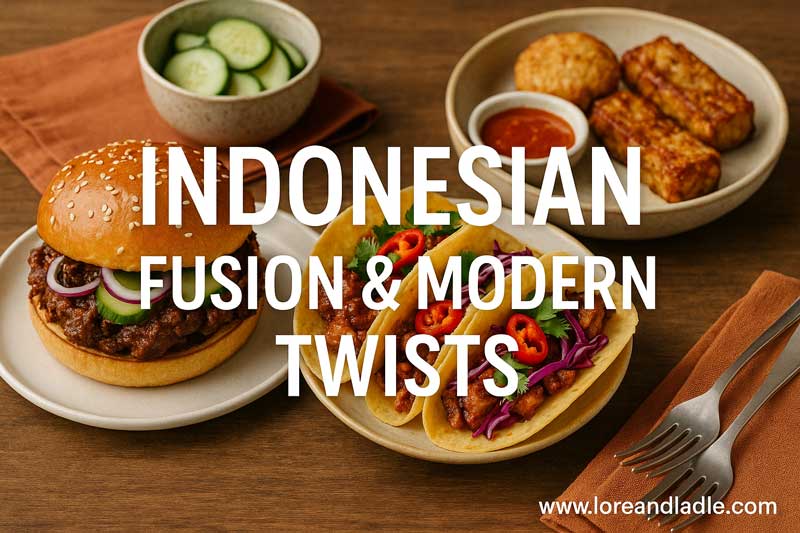
7 Indonesian Fusion & Modern Twists to Try If You Love Bold Indonesian Flavor
This article introduces seven Indonesian fusion and modern twists that celebrate bold Indonesian flavor. Each twist honors traditional ingredients and techniques while inviting new textures and presentations. The result is a menu of ideas that values culture, craft, and shared meals.
Introduction: A celebration of flavor and craft
Indonesian cuisine shines in its balance. Sweet, salty, spicy, and sour notes meet in harmony. Fresh herbs, fragrant spices, and creamy coconut create depth one bite at a time. Fusion twists honor that balance while exploring how different techniques can illuminate familiar flavors. The dish “7 Indonesian Fusion & Modern Twists to Try If You Love Bold Indonesian Flavor” invites cooks to explore with curiosity and care. The goal is to feel connected to Indonesian food’s warmth and craft, even when flavors travel far from their origin.
Cultural value: Flavor as a language of togetherness
Food travels through markets, kitchens, and family gatherings. Indonesian cooks pass down spice blends, roasting methods, and the art of layering textures. This transfer is not mere repetition; it is evolving dialogue. Fusion twists become a bridge between regional tastes and global techniques. They respect the core ingredients—chilies, garlic, shallots, coconut, peanuts, tamarind, lemongrass—and remix them with skill. The cultural value lies in honoring tradition while inviting new communities to admire and participate in the culinary conversation.
Culinary significance: Why fusion twists matter
Fusion and modern twists keep Indonesian flavors vibrant and accessible. They spotlight the adaptability of ingredients like kecap manis, tempeh, and coconut milk. At their best, these twists reveal technique as a form of generosity—sharing flexible approaches, not rigid rules. They encourage curiosity, precision, and respect for each component. This approach preserves core taste profiles while expanding how people experience Indonesian food in daily life, dining rooms, and street stalls alike.
The seven twists at a glance
Below, each twist blends Indonesian flavors with another culinary approach. Each section explains the idea and the cultural significance behind it. This is not about erasing tradition; it is about celebrating it through inventive presentation.
Twist 1: Rendang Bao Buns
Beef rendang slow-braises in a coconut-spiced sauce, then rests inside soft bao buns. The combination elevates the well-loved rendang technique with Chinese steamed bread. Culturally, this twist shows the versatility of braising and the joy of sharing a richer texture. It also highlights how a bold curry can pair with gentle, pillowy bread to invite tasting with hands and conversation.
Twist 2: Sambal Sushi Roll
Indonesian sambal adds brightness and heat to a precision Japanese rolling format. The result is a roll that carries chili warmth and savory depth in neat, bite-sized pieces. This fusion honors both cuisines’ respect for balance, where heat heightens aroma without overwhelming delicate ingredients. It speaks to a culinary mindset that values restraint and confidence in bold flavor.
Twist 3: Nasi Goreng Street Tacos
Fried Rice flavors meet the familiar shape of a taco. A touch of kecap manis sweetens the mix, while fresh herbs and a crisp shell provide contrast. The cultural message is simple: Indonesian staples can travel with dignity into global menus, inviting friends to explore a beloved dish in a new format. It also celebrates communal eating, a common thread in many food traditions.
Twist 4: Rendang Ramen
Rendang spice blends enrich a hearty ramen broth, creating a cross-cultural noodle experience. The technique blends slow-cooked depth with quick, comforting noodles. This twist honors patience and precision in Indonesian cooking and demonstrates how layered flavors can adapt to different meal rhythms, from slow dinners to quick weeknight bowls.
Twist 5: Gado-Gado Pasta
Gado-gado’s peanut sauce graces pasta for a nutty, bright sauce. This twist shines a light on vegetarian menu ideas that highlight vegetables and a tangy finish. It celebrates Indonesian heritage of peanut-based sauces and shows how plant-forward dishes can shine on a plate with international pasta shapes. The result is a fresh, generous bowl that invites sharing.
Twist 6: Tempeh Satay Flatbread
Tempeh marinated in a satay-based glaze rests on a warm flatbread or thin crust. The peanut-sesame sauce, familiar from satay, adds depth to a chewy bread canvas. Culturally, this twist honors the fermentation tradition behind tempeh and the joy of pairing a protein with bold dipping sauces. It invites diners to see plant-based proteins as versatile, flavorful stars.
Twist 7: Coconut Curry Risotto
Coconut milk and Indonesian curry spices infuse a creamy risotto. The Italian technique of gradual liquid absorption meets Indonesian flavor foundations. This dish celebrates the universal magic of rice as a unifying staple and shows how coconut, turmeric, and lemongrass can travel across kitchens to create comfort with a sunlit brightness.
How to explore these twists at home
- Start with core pantry items: coconut milk, peanut paste, kecap manis, sambal, and fresh aromatics. These anchors keep flavors recognizable while you experiment.
- Choose one twist at a time. Focus on technique first, then on ingredient balance.
- Respect texture as a key part of flavor. The contrast between soft bread, crisp toppings, and creamy sauces elevates the tasting experience.
- Taste and adjust gently. A single extra drop of lime or a pinch of sugar can shift the entire dish without losing its Indonesian spirit.
- Share and learn. Cooking these twists with friends and family deepens appreciation for Indonesian culinary craft.
Final reflections: A living tradition
Indonesian cuisine thrives on balance, hospitality, and inventive spirit. The seven twists presented here honor that living tradition. They demonstrate how bold flavor can travel with care, becoming part of many tables while keeping the core soul of Indonesian cooking intact. By exploring these twists, readers celebrate both cultural value and culinary significance—tools that empower cooks to create with respect, curiosity, and joy.