
The Hook
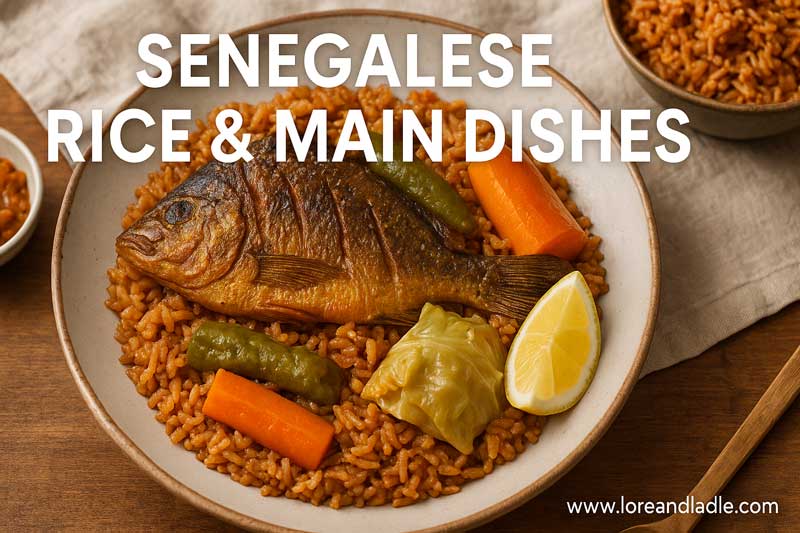
A quiet evening hoodie still on, I open the kitchen window and listen to a kettle whistle while the clock ticks softly. On the cutting board sits a small bowl of brown rice, a bright tomato sauce pot, and a hopeful stack of vegetables. I check the calendar and tell myself I’ll keep dinner light tonight. Then I reach for A Beginner’s Guide to Brown Rice Thieboudienne for Lighter Dinners for Curious Home Cooks, and the idea of a comforting, balanced meal feels nearby. In practice, A Beginner’s Guide to Brown Rice Thieboudienne for Lighter Dinners for Curious Home Cooks becomes a gentle rhythm: brown rice warms into a nutty base, fish and vegetables mingle with a fragrant tomato lift, and the plate feels inviting rather than heavy. It’s a dish that grows out of simple flavors and steady hands, inviting you to notice texture, color, and balance in each bite.
Jump to Recipe
A Beginner’s Guide to Brown Rice Thieboudienne for Lighter Dinners for Curious Home Cooks can be understood at a glance. Here is a quick, friendly snapshot:
- Core idea: a lighter take on a classic one-pot dish, using brown rice as the base to add fiber and nutty flavor.
- Main ingredients: a lean protein (often fish), a tomato-forward sauce, brown rice, and a range of vegetables for color and crunch.
- Flavor profile: savory and bright, with natural sweetness from tomato and vegetables, a hint of citrus or herb brightness, and gentle spices for depth.
- Texture: chewy brown rice, tender fish, soft vegetables, and a silky sauce that ties everything together.
- How it comes together: simmer a tomato-vegetable sauce, cook the brown rice to tenderness, gently cook the fish, and then bring the pieces together for serving.
- Occasions: light weeknight dinners, casual weekend meals, or any time you want a wholesome plate that feels satisfying without heaviness.
- Non-political traditions: focuses on everyday cooking, shared meals, and the simple pleasure of a well-balanced plate.
The Deep Dive
A Beginner’s Guide to Brown Rice Thieboudienne for Lighter Dinners for Curious Home Cooks shines in several key ways. The dish balances bright, sun-kissed tomato flavors with the earthiness of brown rice, creating a comforting foundation that supports a range of vegetables and a gentle protein. The texture is a core part of its charm: the rice offers a sturdy bite, the sauce glides smoothly over each grain, and the vegetables provide crisp-tresh, softened with warmth. This combination invites slow savoring rather than quick chewing, making every bite feel considered and nourishing.
Culturally, the dish is valued for its simple harmony of ingredients and its ability to adapt to what’s on hand. Common settings include a family kitchen after a long day, a small dinner gathering with friends, or a serene, quiet meal when someone wants to rest the body without sacrificing flavor. People often finish the meal with a squeeze of lemon or a scatter of fresh herbs, which adds a fresh lift and a pop of color. The spirit of A Beginner’s Guide to Brown Rice Thieboudienne for Lighter Dinners for Curious Home Cooks rests in its invitation to slow, thoughtful cooking—an opportunity to notice how a handful of ingredients can become a complete, balanced plate.
In terms of flavor, the dish embraces a gentle interplay: the natural sweetness of tomatoes and vegetables, a touch of citrus or herb brightness, and a savory backbone from the broth or stock used to simmer the sauce. The vegetables—think peppers, carrots, leafy greens, and sometimes cabbage—provide color, texture, and a light crunch that contrasts with the softness of the rice and the tenderness of the fish. The result is a dinner that feels complete on its own, yet flexible enough to pair with a simple salad or a side of greens for a fuller presentation.
People enjoy this dish in varied ways. Some savor it as a single, plated meal where fish, vegetables, and rice rest together on the plate; others prefer to spoon a generous portion of sauce over the rice and savor each bite as the flavors blend. The dish lends itself to lighter dinners, offering nourishment without heaviness. It also adapts well to different fish choices and seasonal vegetables, making it suitable for ongoing creativity in the kitchen. In short, A Beginner’s Guide to Brown Rice Thieboudienne for Lighter Dinners for Curious Home Cooks celebrates every home cook’s instinct to balance simplicity with taste, color, and texture.
The heart of the dish remains steady: brown rice for substance, a bright tomato-based sauce for warmth, gentle vegetables for variation, and a modest protein for protein and flavor. Its beauty lies in how easily a home kitchen can render a complete, comforting meal from a few reliable ingredients, honoring everyday cooking while offering something a little special for the table.
The Recipe Card
A Beginner’s Guide to Brown Rice Thieboudienne for Lighter Dinners for Curious Home Cooks — core ingredients and high-level method:
- Core ingredients: brown rice, a piece of fish or a light seafood option, tomatoes (or tomato product such as paste or fresh tomatoes), onion, garlic, bell pepper, carrots, leafy greens or cabbage, oil, lemon or citrus for brightness, fresh herbs (like parsley or cilantro), salt, pepper, optional light spices (paprika or cumin) and a small amount of stock or water to braise the sauce.
- High-level method: prepare a tomato-based sauce with aromatics and vegetables, simmer until flavors meld; cook the brown rice until tender; gently cook the fish in a light broth or in the sauce; plate by layering or arranging fish over rice and ladling vegetables and sauce over the top, with a final fresh squeeze of citrus and a herb finish.
- Notes for lighter dinners: focus on lean fish, more vegetables, and a modest quantity of oil. Let the brown rice provide body and texture, keeping the dish bright and easy to digest.
A Beginner’s Guide to Brown Rice Thieboudienne for Lighter Dinners for Curious Home Cooks invites you to explore a comforting, everyday dish that stays balanced and flavorful. Each element—from the grain to the sauce to the greens—plays a quiet, supportive role, creating a meal that feels both familiar and gently elevated. If you’re curious about texture, color, and the warmth of a well-composed plate, this approach offers a friendly doorway into thoughtful home cooking.