
Introduction
Ayam Masak Merah on a budget offers a window into a cherished corner of Malaysian cuisine. This dish is celebrated for its vibrant color, fragrant aroma, and comforting texture. It invites readers to explore how restaurant-quality flavors can come alive in a home kitchen without breaking the bank. The focus here is on cultural value and culinary significance, highlighting how this dish shapes meals, gatherings, and everyday hospitality.
What is Ayam Masak Merah?
Ayam Masak Merah is a red, tomato-based chicken curry. The chicken turns tender and glossy as it braises in a sauce that mingles tomato, aromatics, and spice. Typical flavors include garlic, shallots, chilies, and a balance of sweet, sour, and savory notes. Coconut milk or a touch of cream may enrich the sauce for extra silkiness. The result is a bright, inviting glaze that clings to each piece of meat and shines on the plate. The dish is iconic in Malaysian cuisine for its approachable, crowd-pleasing palate and its ability to showcase bold color and aroma without overwhelming heat.
Why it feels restaurant-quality on a budget
Restaurant-quality Ayam Masak Merah on a budget hinges on technique as much as on ingredients. First, sear the chicken to lock in moisture and build flavor. Then, build the sauce with a careful sauté of onions, garlic, and chilies, followed by tomato paste or purée to deepen the color. A gentle simmer allows the spices to harmonize, delivering a glossy, even coating. Finally, a splash of coconut milk or a little stock enriches the sauce and creates a luxurious mouthfeel. The trick is balance: sweet pineapple or sugar tones the sauce, tamarind or a squeeze of lime adds brightness, and salt or light soy sauce provides depth. With these steps, a budget-cut of bone-in chicken or thighs can yield meat so tender you can cut it with a spoon, while the sauce feels rich enough for a special occasion. In short, technique and thoughtful pantry choices make perfection possible at Home.
Cultural value in Malaysian cuisine
Ayam Masak Merah sits at the heart of Malaysian home cooking and shared meals. It is a dish that families prepare for gatherings, weekends, and celebrations, where warmth and hospitality are on full display. The bright red sauce becomes a symbol of festivity and welcome, signaling care for guests and loved ones. Food culture in Malaysia often centers on rice as a staple, and Ayam Masak Merah complements that grain with a sauce that carries memory and familiarity. The dish also reflects the diverse flavors that Malaysians cherish—savory, slightly sweet, and herbaceous—while staying distinctly Malay in its character. Its presence in menus and home kitchens alike underscores how food becomes a common language for generosity, comfort, and pride in local tradition.
Flavor profile and culinary significance
The sauce presents a harmonious blend of sweet, tangy, and spicy notes. Tomato provides a bright backbone, while chilies deliver gentle warmth. Aromatics—onion, garlic, and shallots—contribute depth and fragrance, making the dish feel both familiar and elevated. A touch of tamarind or lime brings brightness, and coconut milk adds a smooth richness that rounds out the heat. This balance is essential to the dish’s culinary significance: it demonstrates how simple ingredients, when layered thoughtfully, create a sophisticated, restaurant-like finish. The result is a dish that respects traditional flavors while inviting modern home kitchens to recreate that refined taste.
Pairings and serving traditions
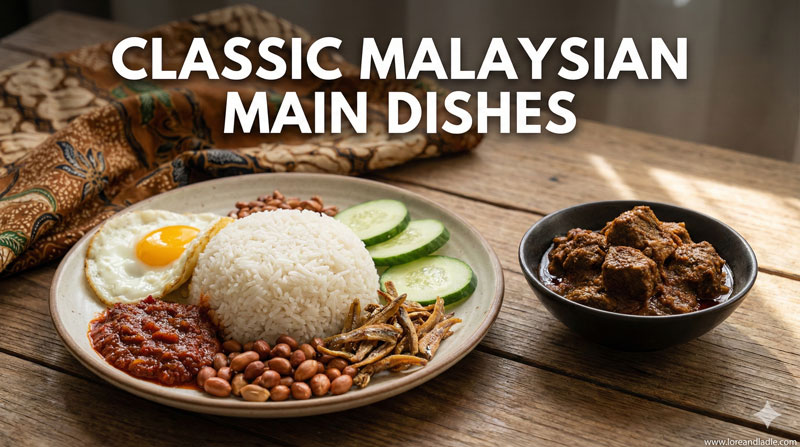
Ayam Masak Merah is traditionally served with steamed rice, allowing the sauce to saturate each grain. Fresh cucumber slices offer a refreshing counterpoint to the sauce’s warmth. A small dish of fried shallots sprinkled over the top adds aroma and texture. Some households enjoy a boiled egg in the sauce, which contributes additional richness. In festive settings, the dish may appear alongside other Malay favorites, creating a colorful, comforting platter. The serving style emphasizes hospitality: generous portions, a glossy sauce, and a table that invites sharing and conversation.
Practical tips for home cooks on a budget
- Choose affordable cuts: bone-in chicken thighs or drumsticks stay moist and flavorful and are typically cheaper than breasts.
- Build flavor with pantry staples: tomato paste, onions, garlic, shallots, and chili paste provide depth without expensive ingredients.
- Sauté well and deglaze: a good sear adds color and complexity; deglazing picks up flavorful bits from the pan.
- Balance the sauce: start with a modest amount of sugar and tamarind (or lime) and adjust to taste as it simmers.
- Use coconut milk judiciously: a small amount adds creaminess without overspending; you can dilute it with stock for economy.
- Simmer gently and rest: letting the sauce rest briefly after cooking helps flavors meld and surface notes to soften.
- Plate thoughtfully: a bright garnish, such as coriander or fresh lime zest, can elevate the dish visually without adding cost.
Conclusion
Restaurant-quality Ayam Masak Merah on a Budget celebrates more than taste; it honors culture, warmth, and shared meals. By focusing on technique, thoughtful ingredients, and respectful preparation, home cooks can recreate a dish that feels celebratory and refined. The dish’s cultural value lies in its ability to bring people together around a table, to celebrate hospitality, and to reflect the comforting elegance of Malaysian cuisine. In every bite, the glossy red sauce, tender chicken, and fragrant aromatics reveal a story of kitchen craft, memory, and the beauty of everyday food.