
Introduction: A Dish That Bridges Taste and Tradition
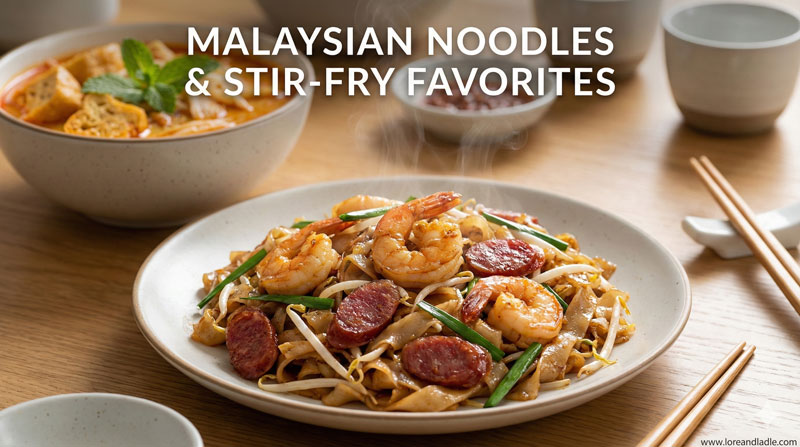
Char Kway Teow is celebrated for its glossy noodles, smoky aroma, and quick, confident motions at the wok. This post invites you to explore Restaurant-Quality Char Kway Teow on a Budget as a window into culture and kitchen craft. The dish embodies balance, skill, and the joy of sharing a plate that tastes like a memory. It shows how technique, ingredients, and heart come together to create something both humble and refined.
The Magic of Wok Hei: Fire, Skill, and Flavor
At the heart of the dish lies wok hei—the breath of the wok. It is the sizzle you hear before the first bite. Achieving wok hei means hot, efficient heat, a seasoned pan, and fast, precise movements. Chefs and Home Cooks alike learn to move the ingredients in a quick, rhythmic toss so the noodles sear without sticking. This technique honors time-tested practice and elevates simple elements into something luminous. When you taste Char Kway Teow with true wok hei, you feel a whisper of smoke, a touch of caramel, and a bright snap that only swift cooking can deliver. This is cultural craft in motion, a shared skill passed from kitchen to kitchen and stall to table.
Core Ingredients: Simplicity That Speaks Volumes
The dish relies on a handful of core players, each contributing a layer of meaning. Flat rice noodles provide the canvas, while eggs add richness and a silky contrast. Shrimp or prawns offer sweetness, and some versions include small cockles for briny depth. Bean sprouts and Chinese chives bring crunch and a green note that brightens the plate. The seasoning binds the elements: light soy sauce for brightness, dark soy for depth, and a hint of sweetness or a touch of chili for warmth. Optional aromatics, like garlic or a kiss of fermented condiment, can deepen the profile without overpowering the balance. In every bite, the ingredients tell a story of regional markets, family kitchens, and the daily rituals of cooking for crew and guests. The result is a dish that feels both familiar and elevated, revealing how careful choices create restaurant-worthy flavor on a home cook’s stove.
A Social Vessel: Community, Craft, and Shared Experience
Char Kway Teow is more than a plate of noodles; it is a social act. The dish gathers friends and family around a table, often at lively stalls or bustling markets. Each seller brings a personal touch—speed, rhythm, and a unique blend of sauces—that invites conversation and appreciation. The aroma travels, drawing people in and turning a meal into a small celebration. This cultural practice of gathering around food reinforces community, relays technique, and keeps tradition alive. The dish becomes a bridge between generations, where stories of careful stirring and perfected timing are exchanged as eagerly as tips for a perfect bite.
Budget, Yet Rich: How Frugality Elevates Flavor
Restaurateur-level flavor can be achieved on a budget when technique leads the way. The core idea is to respect heat, timing, and balance more than chasing costly ingredients. A few practical truths reveal why this dish shines in any kitchen:
– High heat and quick stirring unlock the most flavors from noodles and proteins.
– A few well-chosen pantry items—like dried shrimp for umami or a small amount of premium soy sauce—go a long way.
– Simplicity matters: fewer, well-balanced seasonings let each element sing.
– Freshness and texture, especially crisp sprouts and tender noodles, carry the dish just as much as sauces do.
For home cooks, maintaining a clean work area, prepping ingredients before the wok heats, and moving swiftly are the keys to restaurant-quality results without overspending. The joy lies in turning modest components into a dish that feels refined and worthy of sharing.
Variations and Regional Touches: A Living Culinary Form
Across stalls and homes, Char Kway Teow wears local colors. Some versions emphasize a stronger smoky aroma with longer wok sessions; others lean into the brightness of spring onions or garlic chives. The choice of proteins shifts with taste and budget, while the sauce’s balance adapts to regional preferences. This flexibility highlights the dish as a living form, constantly evolving while retaining its core identity. Each variation offers a fresh lens on tradition, inviting eaters to notice how sometimes a small adjustment—like the length of the fry or the amount of chili—produces a noticeably different, yet equally respectful, expression of the same craft.
Craft, Care, and the Future of the Dish
Mastery of Char Kway Teow is a testament to patience and practice. It rewards careful attention to heat, timing, and texture, but it also welcomes improvisation within a respected framework. The culture surrounding the dish values care, consistency, and the generosity of sharing a well-made plate. As more kitchens experiment with this classic, the dish remains anchored in its origins while inviting new technique and personal flair. The future looks bright when cooks honor the tradition of their predecessors, while readers and diners celebrate the sensory poetry of each bite.
Conclusion: A Taste of Culture in Every Plate
Restaurant-Quality Char Kway Teow on a Budget reveals how culture folds into cuisine. It shows that technique, timing, and an attentive palate can elevate simple ingredients into a dish that feels ceremonial and intimate at once. Whether enjoyed at a bustling stall or recreated at Home, the dish offers a doorway into a tradition built on sharing, skill, and the joyous spark of flame-born flavor. Embrace the craft, savor the aroma, and appreciate how this beloved noodle plate continues to shape and be shaped by the food culture it sustains.