
Introduction
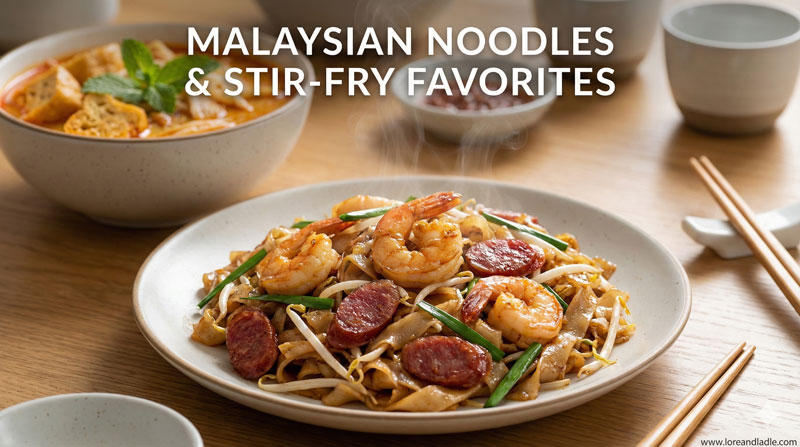
Restaurant-Quality Hokkien Mee on a Budget invites readers to celebrate a beloved noodle dish through culture and craft. This dish shows how everyday ingredients and thoughtful technique can echo the refinement of a top kitchen. The focus here is on cultural value and culinary significance, not on politics or history beyond the love of flavor. You will discover how balance, warmth, and shared moments elevate the plate and deepen appreciation for food as a social art.
The Budget-restaurant Quality Promise
This dish proves that restaurant-quality results can come from budget-friendly choices. First, high-heat cooking and careful timing unlock depth that money cannot buy. Second, smart choices in ingredients—such as sturdy noodles, fresh aromatics, and affordable seafood or pork—create a palate that feels luxurious. Third, technique matters as much as ingredients. When you layer flavors and control the fry, you coax aromas and textures that rival pricier plates. In short, budget constraints become a driver of creativity, not a limit, and the result carries the air of a refined dish with every bite.
Core Techniques That Elevate Flavor
What makes Hokkien Mee sing is technique as much as taste. A hot wok performs the work of depth and char, producing a light crust that seals in moisture and creates the coveted wok hei. Start with a flavorful base: garlic and shallots mellow into a fragrant foundation, while a quick stock or a splash of soy and fish sauce adds umami. Then, add the noodles and proteins in stages so each element browns and glazes without steaming. Dried shrimp or a small amount of seafood stock boosts depth without overpowering the dish. Finally, toss with speed to coat every strand in sauce, letting the noodles pick up the fragrance of the aromatics and the richness of the proteins. The result is a plate that feels both bright and comforting, with a balance of savoriness, saltiness, and a hint of sweetness.
The Cultural Tapestry of Hokkien Mee
Hokkien Mee sits at the crossroads of technique, seasonality, and shared meals. It travels from home kitchens to bustling stalls, carrying the aroma of fried garlic, caramelized edges, and savory broth. In gatherings that center around a table of steaming plates, everyone contributes: a careful stir, a quick taste, a nod of approval. The dish invites improvisation, inviting cooks to adjust for what is available while preserving the core character: a chorus of textures—soft noodles, crisp-tried edges, tender proteins—and a harmonious sauce that binds them. This is food that welcomes repetition and refinement, a welcoming ceremony of flavors that families and friends perform together. The beauty lies not just in taste, but in how the plate signals hospitality and the joy of shared nourishment.
Ingredient Wisdom for Home Cooks
To achieve restaurant-like quality on a budget, focus on smart choices:
– Noodles: Use yellow egg noodles or thick rice noodles when appropriate. Cook to a just-tender bite, then pat dry briefly to prevent sogginess.
– Aromatics: Fresh garlic and shallots provide most of the fragrance. Slice thinly so they release flavor quickly.
– Proteins: Prawns, slices of pork, or squid are options. Canned or dried seafood can supplement when fresh is scarce. Keep proteins compact and evenly sized for even cooking.
– Seasonings: A balanced mix of light soy, a touch of dark soy for color, and a light splash of fish sauce or salt creates depth without heaviness.
– Extras: A small amount of dried shrimp adds a signature savoriness. Bean sprouts and chives brighten the finish with crunch and color.
– Tasting and texture: Reserve a portion of noodles to toss toward the end for a slight chew, and give the dish a final toss to ensure even coating.
– Finishing touch: A squeeze of citrus or a dab of chili sauce on the side can wake the flavors just before serving.
Savoring and Sharing: A Social Dish
Hokkien Mee thrives in social settings. The act of cooking—stirring, tossing, and presenting—becomes a small performance that invites conversation and curiosity. Sharing plates at the table encourages a rhythm of tasting and adjusting together, reinforcing a sense of community. The dish adapts to personal preferences, and that adaptability is part of its cultural strength: it grows with the household, respects the pantry, and welcomes new twists while preserving its core identity. A well-made plate invites praise, but more importantly, it invites the next cook to try a small variation and pass on the technique.
Flavor, Texture, and Balance: A Culinary Roadmap
At its heart, Hokkien Mee is a study in balance. The noodles provide body; the proteins add texture; aromatics deliver perfume; and the sauce ties it all together with savory depth. The best versions achieve a glow on the surface—a light crust that carries a hint of sweetness and a whisper of smoke. This balance is not accidental. It comes from understanding how heat, timing, and ingredient quality work in concert. In a budget-friendly kitchen, balance is the guiding principle: never overwhelm the dish with too much salt, and let the natural sweetness of aromatics shine through.
How This Dish Elevates Everyday Cooking
Restaurant-Quality Hokkien Mee on a Budget elevates daily cooking by showing respect for technique and for the ingredients at hand. It transforms ordinary noodles into a canvas for technique, aroma, and texture. It invites cooks to practice patience, to refine heat control, and to layer flavors with intention. This approach makes fine dining-level skill accessible to a wide audience, reinforcing the value of ongoing learning in the kitchen. It also honors the idea that exceptional food can emerge from the home cook’s stove, the market stall, or the family kitchen—everywhere that meals are prepared with care.
Sustainability and Thoughtful Choice
Choosing cost-conscious ingredients does not mean compromising quality. Look for fresh noodles with a firm bite, seasonal seafood or meats, and locally sourced aromatics. When possible, reuse leftovers in a mindful way, such as turning a small amount of cooked seafood into a flavorful finishing addition. Practicing restraint with sauces and maximizing aroma with fresh ingredients keeps the dish vibrant and sustainable. This thoughtful approach reinforces the cultural value of resourcefulness and respect for ingredients.
A Gentle Invitation to Try
If you are curious about authentic flavor achieved on a budget, begin with a small batch and focus on one technique at a time. Practice achieving wok hei by cooking over sufficiently high heat in a wide pan. Pay attention to aroma, texture, and balance. You will notice how a few well-chosen steps can elevate a simple bowl into something that feels celebratory and refined. The journey is approachable, and the payoff is a dish that honors tradition while inviting personal expression.
Conclusion
Restaurant-Quality Hokkien Mee on a Budget showcases how culture and culinary craft intertwine to create a dish that is accessible, flavorful, and deeply respectful of its roots. It celebrates balance, technique, and community, turning everyday cooking into a shared ritual of tasting and learning. By embracing thoughtful preparation, precise timing, and generous curiosity, home cooks can craft noodles that shine with restaurant-level charm without overspending. In this way, the dish stands as a testament to the beauty of food culture: a humble plate that invites delight, connection, and ongoing culinary discovery.