
Introduction
Restaurant-Quality Mee Goreng Mamak on a Budget honors a dish that blends skill, warmth, and everyday delight. This fried noodle plate shines with color, aroma, and balance. It shows how careful technique and thoughtful choices can lift affordable ingredients into something memorable. The focus here is on cultural value and culinary significance. We explore how the dish invites shared meals, how chefs tune flavors, and how Home Cooks can recreate restaurant quality without breaking the budget. The result is a plate that feels both familiar and exciting, a meal that reflects the care people put into their daily food.
The heart of Mee Goreng Mamak
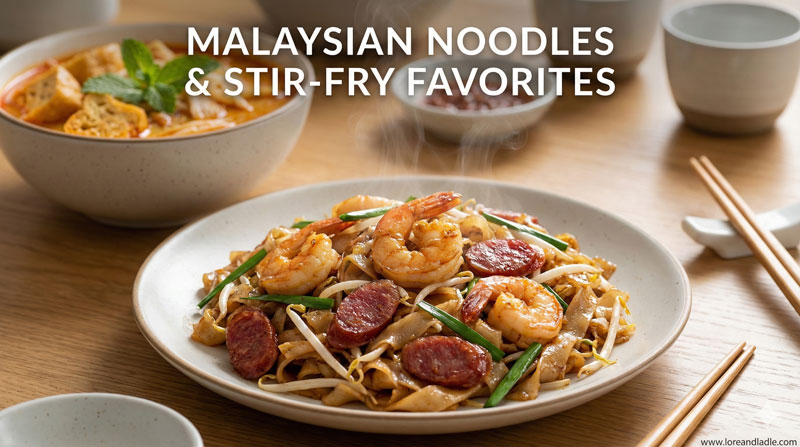
Mee Goreng Mamak starts with yellow egg noodles that soak up savory flavors. Aromatics—garlic, shallots, and chili—drive the fragrance. Tomato adds brightness, while sweet soy sauce and regular soy sauce layer depth. A touch of tanginess often comes from a tomato sauce or a squeeze of lime. Proteins glide in as options, from eggs to diced chicken or shrimp. Crisp vegetables, like bean sprouts and scallions, provide freshness and crunch. The dish gains its signature character through wok technique and an inviting glossy finish. The contrast of smoky notes from high heat and the glossy sauce makes every bite feel lively and complete.
Techniques and components that define it
Key techniques elevate the dish to restaurant quality. First, heat the wok until it shivers, then work quickly in small batches to seal flavors. Pre-cook noodles so they don’t cling together. Fry aromatics first to release aroma, then build the sauce with kecap manis (sweet soy) and a splash of light soy for balance. Toss ingredients swiftly to keep textures intact. Seek the right amount of wok hei—the subtle smoke that tells of efficient high-heat cooking. Finally, adjust the sauce so the noodles glisten without becoming soupy. These steps turn everyday ingredients into a dish that feels refined and complete.
Budget-friendly path to restaurant-quality
Even on a budget, you can achieve a restaurant-like result. Choose affordable proteins such as eggs, chicken bits, or tofu. Use readily available noodles and a few pantry sauces to craft depth. Mise en place matters: have sauces, noodles, proteins, and vegetables ready before you cook. Cook in hot, small batches to preserve texture and flavor. Taste as you go and balance sweet, salty, and tangy notes. A final squeeze of lime brightens the plate. With these tactics, you capture the essence of a well-made Mee Goreng Mamak without overspending, while keeping the dish vibrant and satisfying.
Cultural value and culinary significance
Mee Goreng Mamak speaks to everyday ingenuity in the kitchen. It celebrates how simple ingredients can become a comforting ritual. The dish is a staple in many neighborhoods, where the aroma draws people to stalls and home kitchens alike. It serves as a bridge between quick meals and thoughtful cooking, inviting cooks to experiment with proteins, sauces, and textures. Its flavor harmony—savory, sweet, spicy, and tangy—reflects a generous, shared approach to food. In every plate, you taste a story of patience, skill, and pride in craft. This is why the dish holds a special place in the local food culture.
Pairings and serving ideas
Pair Mee Goreng Mamak with a crisp cucumber slicer and a lime wedge to refresh the palate. A cool drink, such as iced tea with a hint of lime, complements the spice and richness. If you like a touch of extra heat, offer a small spoon of sambal on the side. Garnish with fried shallots for added crunch and aroma. Serve with a simple green salad or steamed greens to balance the richness. These touches enhance the cultural experience of enjoying a dish that travels well from stall to home kitchen.
Conclusion
Restaurant-Quality Mee Goreng Mamak on a Budget is more than a meal. It is a celebration of skill, balance, and shared joy. It shows how careful technique, smart ingredients, and mindful budgeting can elevate everyday cooking. The dish stands as a vibrant expression of culinary culture, inviting everyone to savor its warmth, aroma, and texture. Try it with curiosity and care, and you will taste the beauty of a well-made plate that respects tradition while inviting personal creativity.