
Introduction
Restaurant-Quality Nasi Goreng USA on a Budget invites readers to savor a dish that blends Indonesian flavor with practical American cooking. The dish champions balance, aroma, and texture, turning everyday ingredients into something that feels refined and thoughtful. It celebrates how simple techniques, used with care, can elevate humble rice into a plate that tastes like it came from a bustling kitchen. This is not just a meal; it is a doorway to a vibrant culinary conversation that happens at Home, in markets, and in welcoming eateries.
Nasi Goreng: Core Qualities
Nasi goreng centers on fried rice with a rich, sweet-savory glaze. The key is harmony: a touch of sweetness from kecap manis or a similar sauce, sharp brightness from garlic and scallions, and a gentle heat from chili or sambal. The dish often finishes with a fried egg, adding richness and a soft contrast to the crisp rice. Texture matters: the grains should be separate, the edges slightly caramelized, and the aroma should invite a second helping. This combination—fragrant, slightly sweet, and deeply satisfying—anchors the dish in a long-standing culinary approach that rewards careful heat control and mindful seasoning.
The Budget-Friendly Path to Restaurant-Quality
The promise of Restaurant-Quality Nasi Goreng USA on a Budget is to bring restaurant-like depth using accessible, wallet-friendly ingredients. Day-old rice is a hero here, because it yields firmer grains that fry evenly. Frying with a hot wok or skillet creates that sought-after “wok hei” aroma, a hallmark of well-made fried rice. Simple pantry staples—soy sauce, a touch of sweet soy or brown sugar, garlic, shallots, and paprika or chili for warmth—can deliver remarkable flavor. Proteins can be versatile: leftover chicken, diced tofu, shrimp, or eggs all work beautifully. With selective additions, you can craft a version that tastes refined without stretching the budget.
Techniques that Elevate Flavor
Hospitality-grade flavor starts with technique. Use a very hot pan and work quickly to avoid soggy rice. Drain the rice well before frying to prevent excess moisture. Stir-fry aromatics first, then add rice in a few quick throws to distribute heat evenly. A light drizzle of oil at the end helps characters of flavor cling to each grain. Finish with a touch of lime juice or a splash of soy for brightness. If you have a squeeze bottle for sauces, you can sketch a delicate stripe of sambal to signal heat without overwhelming the plate. Finally, top with crisp garnish such as fried shallots or sesame seeds to create a layered bite that feels restaurant-crafted.
Ingredient Wisdom for USA Kitchens
in the United States, you may find kecap manis in Asian markets or online. If unavailable, you can approximate it with a mix of soy sauce and a touch of brown sugar or molasses to mimic its sweet-savory depth. Fresh garlic and shallots carry the core aroma; ginger adds a bright lift. For proteins, consider budget-friendly options like chicken thighs, eggs, or tofu, prepared to your preference. Vegetables can be flexible: peas, carrots, and green onions provide color and texture. For heat, sambal oelek or chili paste offers a clean, vivid kick. Serve with simple accompaniments such as cucumber slices or a light soy-lish pickle to balance richness. This approach keeps flavors accessible while preserving the dish’s distinctive character.
Cultural Value and Culinary Significance
Nasi goreng embodies a universal Love for transforming leftovers into something new and exciting. Its cultural value lies in its everyday accessibility: a dish that welcomes cooks of all levels to coax depth from common ingredients. The technique—embracing high heat, swift motion, and careful seasoning—teaches respect for the pan and patience in layering flavors. In a USA context, the dish shines as a bridge between pantry-first cooking and restaurant-inspired technique. It demonstrates how a single skillet can capture a spectrum of textures and aromas, inviting family or friends to gather around a shared plate. The result is more than nourishment; it’s a sensory reminder of how food can be both comforting and aspirational in a thoughtful, budget-conscious way.
Plating and Sensory Experience
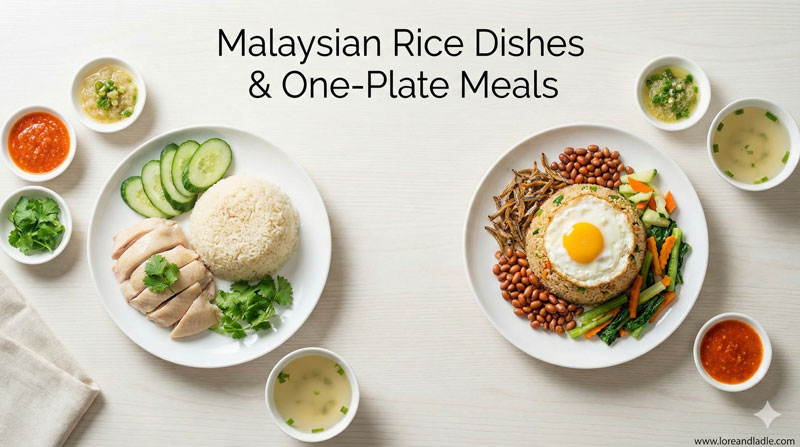
A thoughtful presentation enhances the dining experience. Plate the fried rice in a neat mound, letting the grains stay distinct. Top with a sunny-side-up fried egg, its runny yolk enriching each bite. A light scatter of fried shallots and a fresh citrus squeeze add sparkle and balance. A crisp side, such as cucumber coins or herb greens, provides contrast to the warm rice. If available, a small nest of crackers or krupuk adds a satisfying crunch. The fragrance should invite the senses before the first bite, with garlic, soy, and a hint of chili calling you to discover the flavors layer by layer.
Conclusion
Restaurant-Quality Nasi Goreng USA on a Budget is more than a dish; it is a celebration of technique, warmth, and cultural resonance. It shows how careful heat and well-chosen ingredients can turn everyday meals into moments of restaurant-like satisfaction, without overstepping the budget. This fried rice invites cooks to explore texture, aroma, and balance, while honoring a traditional method that remains approachable in any kitchen. In doing so, it reinforces the beauty of sharing well-made food and the joy of cooking with intention and care.