
Introduction
Restaurant-Quality Nasi Lemak on a Budget invites readers to celebrate a beloved morning classic. This post centers on cultural value and culinary significance. Nasi Lemak is more than rice with toppings. It is a waking ritual, a shared table, a fragrant memory in a bowl. The idea of achieving restaurant-grade quality on a budget honors skill and heart in the kitchen. It shows how humble ingredients can shine when treated with care and respect.
What Is Nasi Lemak?
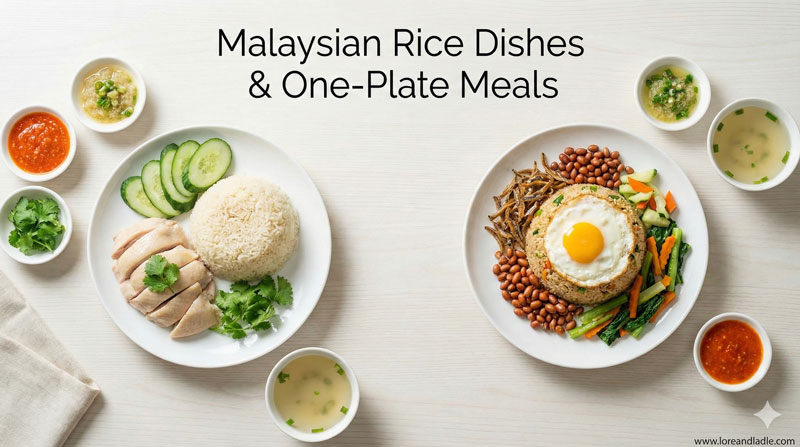
Nasi Lemak is a fragrant plate built on coconut rice. The rice carries a gentle sweetness from coconut milk and a whisper of pandan. It is paired with sambal, a balance of heat and brightness. A handful of fried anchovies, peanuts, and cucumber slices bring crunch and freshness. A boiled or fried egg often joins the scene. The dish wears many regional accents, yet the core idea remains the same: thoughtful contrasts, simple ingredients, and a comforting bite.
A Symphony of Aromas and Textures
The magic starts with aroma. The coconut milk steams softly with the rice. Pandan leaves add a pale green whisper and a subtle perfume. As the sambal simmers, the chili heat becomes warm and radiant. Each element offers texture: crisp peanuts, briny fish, tender rice, and creamy sambal. The combination delights the senses. This harmony is central to the cultural appeal of nasi lemak. It invites people to slow down and share.
Budget-Friendly Excellence: The Core Idea
Restaurant-quality on a budget means smart technique, not costly ingredients. Start with good coconut rice. Rinse the rice, then cook it with coconut milk, a splash of water, salt, and a fragrant note from pandan or a dash of sugar. The result is fluffy grains and a gentle coconut aroma. For sambal, sauté onions, garlic, chili, and a touch of sugar until glossy. Finish with a bright splash of tamarind or lime juice and a pinch of salt. Fry anchovies and toast peanuts until golden. Slice fresh cucumber. With these steps, a well-balanced plate emerges from simple items.
Cultural Significance Across the Region
Nasi Lemak holds a special place in many households and street corners. It is a dish shared in kitchens and small eateries, from quiet mornings to festive gatherings. It connects people through familiar flavors: the creamy rice, the bold sambal, the crisp toppings. Families pass the recipe down with care, adapting it to local tastes. The dish also reflects a regional pride in balance and versatility. It welcomes both modest meals and larger feasts. This universality makes nasi lemak a cherished staple in the culinary landscape.
Techniques That Elevate the Dish
Elevating nasi lemak on a budget rests on a few reliable techniques:
– Rice preparation: use coconut milk with water to achieve a creamy, fragrant base. A light touch with salt keeps flavors clean.
– Sambal craft: build depth with onions and garlic, then let chili carry the heat. Sweetness and acidity balance the spice.
– Frying and toasting: crisp anchovies and toasted peanuts add essential crunch.
– Fresh components: cucumber slices bring cool contrast and color.
– Timing: keep toppings warm but not soggy. Plate while everything is at its best.
These practices enable a dish that feels refined without requiring expensive ingredients.
Pairings and Textures
A good nasi lemak plate feels complete. The salty crunch of ikan bilis or peanuts contrasts with the soft rice. The sambal adds heat and brightness, tying the plate together. A fatty fried chicken leg or rendang elevates the dish further, while a simple boiled egg offers a creamy counterpoint. Cucumber provides freshness and balance. The result is a plate that travels from breakfast to comfort meal with grace.
In the Kitchen: A Practical Guide for Beginners
- Start with the rice: rinse well, cook with coconut milk and a little water, salt, and pandan if you have it.
- Make the sambal: sauté onions and garlic, add chili, cook until glossy, then finish with sugar and a touch of souring agent.
- Prepare the toppings: quickly fry anchovies until crisp; toast peanuts in a dry pan.
- Assemble: lay coconut rice on a plate, drizzle sambal, add toppings, and place cucumber on the side.
- Serve warm and enjoy with a friendly, listening spirit. The pleasure is as much in the making as in the eating.
How to Enjoy It: A Mindful Tasting
Take a moment to inhale the coconut aroma before the first bite. Eat with small, steady bites to appreciate both contrast and harmony. Notice how the heat from sambal stays with you, then softens as you swallow. Observe how the creamy rice carries flavors without overpowering them. Share the plate with others; a nasi lemak moment is often best when enjoyed together. Let the dish teach patience, balance, and gratitude for simple ingredients.
The Beauty of Everyday Craft
This dish embodies a philosophy of care. It honors the idea that restaurant-quality can be achieved at Home through attention to technique, timing, and balance. It also celebrates cultural texture—the way a single plate can echo different kitchens, memories, and regional twists. Nasi Lemak on a budget demonstrates how skill and heart render food both refined and reachable.
Conclusion
Restaurant-Quality Nasi Lemak on a Budget is more than nourishment. It is a celebration of taste, technique, and shared culture. The dish invites cooks to honor humble ingredients while chasing a restaurant-level finish. It reminds us that culinary value resides in balance, aroma, and care. Whether at dawn, in a bustling kitchen, or around a family table, nasi lemak offers warmth, heritage, and delight—proving that great flavor can be welcoming to all.