
The Ultimate Guide to Build-Your-Own Pupusa Bar for Gatherings for Beginners
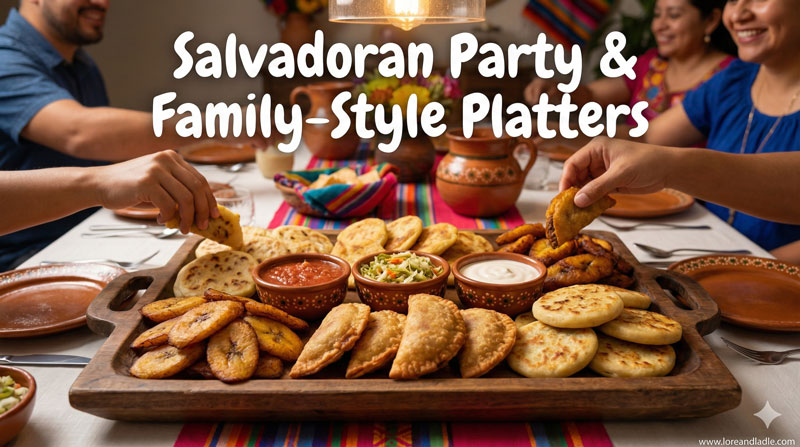
A pupusa bar is a warm, social centerpiece that brings people together around a table of delicious, customizable bites. This guide invites beginners to explore the cultural value and culinary significance of pupusas while setting up a welcoming build-your-own bar for gatherings. You’ll learn How to honor tradition, showcase flavors, and create a joyful experience for guests.
Cultural Value of Pupusas
Pupusas hold a cherished place in Salvadoran food culture. They appear at family meals, street markets, and festive occasions as a simple, comforting food that invites sharing. The act of assembling and eating pupusas together creates a sense of belonging and celebration. Each bite carries a sense of artistry: masa is worked by hand, fillings are chosen with care, and the final pupusa is a small piece of everyday culture made to be shared.
A pupusa bar elevates this communal spirit. It transforms cooking into an interactive experience where guests participate in the moment of flavor discovery. The bar format highlights how a few core ingredients—corn dough, cheese, beans, and a few vibrant fillings—can become a canvas for creativity. The result is a moment of connection, where conversation flows as freely as the steaming pupusas themselves.
Culinary Significance: Masa, Fillings, and Texture
The heart of a pupusa is the masa—the softly chewy corn dough that forms a thin, pliable wrapper. Good masa blends tradition with technique: fresh masa or well-hydrated masa harina, a pinch of salt, and a gentle touch. The dough should feel smooth, not sticky, and press evenly into a round disk. When cooked, the outer edges gain a delicate crisp while the center stays tender. This contrast is the signature of a well-made pupusa.
Fillings give pupusas personality. Common options include:
– Queso: a mild, melty cheese that creates a creamy center.
– Frijoles refritos: smooth beans add earthiness and protein.
– Chicharrón: crisp pork filling for a savory pop of flavor.
– Loroco y queso: a regional duo featuring the loroco flower, which lends a distinctive aroma and depth.
– Combinations: chicharrón with cheese, beans with loroco, or vegetables with cheese for color and balance.
The toppings and sides complete the experience. Curtido, a tangy cabbage slaw with vinegar, carrots, and chilies, adds brightness and crunch. Salsa roja or a mild tomato salsa provides a gentle heat and balance. Together, the pupusa, curtido, and salsa form a trio that showcases harmony between texture, aroma, and brightness.
Getting Started: Build-Your-Own Pupusa Bar for Beginners
Setting up a pupusa bar is approachable and scalable. Here are practical steps for beginners:
– Plan the menu: select a few fillings that cover traditional tastes and a couple of vegetarian-friendly options.
– Gather essentials: a tortilla press (or a rolling pin), a nonstick skillet or and a hot griddle (comal), a serving tray for warm pupusas, small bowls for fillings, and a toppings station.
– Prepare components in advance: pre-make fillings that store well (beans, loroco cheese mix, chopped vegetables), and set out warmers or towels to keep pupusas hot after they’re cooked.
– Create a smooth workflow: line up masa balls, filling bowls, and the sealing area in a comfortable sequence. Guests should be able to move from dough to dish with ease.
– Prioritize safety: keep raw ingredients separate, wash hands, and maintain clean surfaces. Label fillings clearly for quick selection.
A beginner-friendly setup focuses on simplicity and joy. Start with two or three fillings, then expand as you gain confidence. The goal is to create a warm, inviting atmosphere where everyone can participate in shaping their own plate.
Fillings and Toppings: A Colorful Palette
Offer a balanced set of options that highlights the dish’s versatility and cultural range. Consider these combinations:
– Classic cheese: queso and a hint of salt for a pure, comforting bite.
– Beans and cheese: frijoles refritos folded with cheese for creaminess.
– Chicharrón con queso: a savory, hearty choice with a crisp texture.
– Loroco y queso: a regional staple that introduces a delicate aroma.
– Loroco, beans, and cheese: a layered, satisfying mix.
– Vegetable option: mushrooms or spinach with a light cheese for a fresh twist.
For toppings and sides, provide:
– Curtido: crunchy, tangy cabbage slaw with carrots and a mild vinegar dressing.
– Salsa roja: a bright, tomato-based sauce with a gentle kick.
– Pickled onions or pico de gallo: adds color and freshness.
– Fresh herbs: cilantro or oregano to finish plates.
Label each option to help guests navigate choices. A well-curated toppings bar invites curiosity and encourages guests to try new combinations.
Step-by-Step: Press, Fill, and Cook
A simple, reliable process helps beginners build confident technique:
1) Prepare the masa: if using masa harina, mix it with water and a pinch of salt until it forms a smooth dough. Rest briefly to hydrate fully.
2) Portion and press: divide the dough into equal portions. Use a tortilla press or rolling pin to form discs about 4 to 6 inches in diameter.
3) Add filling: place a small amount of filling in the center. Do not overfill.
4) Seal edges: fold and pinch the dough around the filling to seal completely.
5) Cook: place on a hot, dry surface. Cook for about 2 to 4 minutes per side, until the exterior is lightly crisp and the interior is warm.
6) Keep warm: transfer to a warm tray or towel-lined surface to retain heat.
7) Assemble: guests add their chosen toppings and sides to finish their pupusas.
With practice, you’ll get consistent thickness and a gently blistered surface that signals a well-made pupusa. Encourage guests to try new fillings and appreciate the textures—soft centers, slightly crisp edges, and the aromatic lift from toppings.
Hosting Tips: Creating a Welcoming Pupusa Experience
- Set the scene: a bright, clean station with clear labels and easy access to masa, fillings, and toppings creates an inviting flow.
- Demonstrate briefly: a quick, friendly demonstration helps guests understand the process without feeling rushed.
- Offer variety: rotate fillings across gatherings or seasons to keep the bar exciting.
- Accommodate dietary needs: label gluten-free options (corn-based masa is naturally gluten-free) and offer vegetarian fillings.
- Keep it social: encourage guests to chat as they assemble, turning the bar into a mini social corner of the gathering.
Pairings and Beverages
A pupusa bar shines with thoughtful pairings. Consider:
– Curtido and salsa roja as the classic duo to brighten each bite.
– Beverages like agua fresca, tamarind juice, horchata, or a light lime soda to refresh the palate.
– Light, crisp beers or a refreshing sparkling beverage can balance the richness of certain fillings.
Common Questions for Beginners
- Are pupusas gluten-free? Most traditional pupusas are gluten-free when using pure corn masa and fillings without gluten-containing ingredients.
- Can I make pupusas ahead of time? Yes. Cooked pupusas can be kept warm for a short time, and fillings can be prepared in advance. Reheat gently to preserve texture.
- What if I don’t have a tortilla press? A rolling pin works well. Use a flat, smooth surface and a well-floured sheet of parchment to prevent sticking.
- How many pupusas per guest? Plan 2–3 per person for a casual gathering, more for a celebratory feast.
A Note on Cultural Appreciation
Celebrating pupusas is about honoring a beloved dish through mindful preparation and sharing. By arranging a build-your-own pupusa bar, you invite guests to participate in the culinary story—enjoying the dough, savoring the fillings, and appreciating the textures and aromas that make this food so special.
Conclusion: A Warm, Flavorful Experience
A build-your-own pupusa bar for beginners blends cultural value with culinary delight. The process invites hands-on participation, encourages conversation, and highlights the harmony between masa, fillings, and toppings. By focusing on traditional textures, fresh flavors, and the joy of sharing, you create an experience that is welcoming, respectful, and memorable. Enjoy the beauty of the dish, celebrate its place in food culture, and savor the moments spent around a table that brings people together.