
Opening: A Colorful Bridge Between Classics and Everyday Dining
Cap Cay Stir-Fried Vegetables and Indonesian Soups & Stews Favorites for Indonesian Food Fans in the U.S. is a bright, inviting dish. It blends crisp, vibrant vegetables with the comforting warmth of Indonesian soups and stews. In the U.S. kitchen, this combination invites curiosity and celebration at the same time. The plate speaks of freshness, balance, and togetherness, offering a window into how Indonesian flavors can shine in everyday meals.
Cap Cay: The Heart of the Stir-Fry
Cap Cay is a versatile stir-fry built on mixed vegetables, garlic, and a light, savory sauce. It favors quick, high-heat cooking so the vegetables stay crisp and colorful. Common components include cabbage, carrots, broccoli, bok choy, mushrooms, and peppers. The dish welcomes tofu, chicken, or shrimp as optional helpers, or keeps it proudly vegetarian. The key is a bright, balanced finish—salty soy, a touch of sweetness, and aromatic notes from ginger and garlic.
Indonesian Soups & Stews: Warm Companions
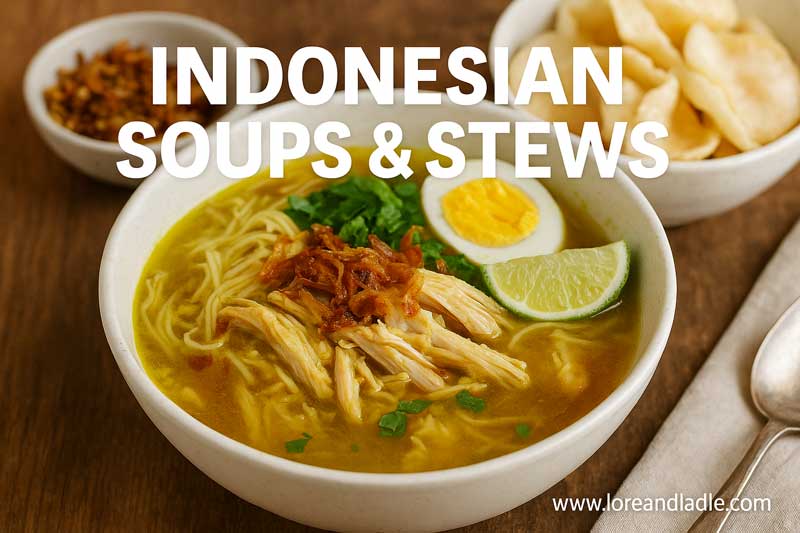
Indonesian soups and stews bring rich depth and comforting fragrance to the table. Think of soto ayam, a fragrant chicken soup with herbs; or sayur lodeh, a coconut-milk vegetable stew that glows with gentle spice. These bowls provide warmth and harmony that complement a crisp stir-fry. When paired with Cap Cay, they create a complete, satisfying meal that honors Indonesian flavor profiles in a fresh, accessible way.
The Fusion Concept in Practice
This dish acts as a bridge between quick stir-fry technique and slow-simmered soups. The fresh vegetables from Cap Cay contrast with the creamy notes of coconut-milk stews, while soy and kecap manis add depth and gloss. The result is a plate that feels both lively and comforting. In practice, you enjoy a bright vegetable medley alongside a gently seasoned soup or stew, letting each element elevate the other.
Techniques That Elevate the Dish
First, heat the wok until it hums, then add aromatics quickly to wake their fragrance. Next, toss the vegetables in stages to keep textures crisp. Also, balance pan sauces with light soy, a touch of sweetness, and a hint of sesame oil. Finally, finish with a quick toss to glaze the vegetables without overcooking them. These steps keep the dish fresh, inviting, and easy to reproduce at Home.
Core Ingredients and Variations
- Vegetables: cabbage, bok choy, carrots, broccoli, mushrooms, bell peppers, snow peas, and other seasonal picks.
- Aromatics: garlic, onion, ginger.
- Sauces: light soy sauce, a dash of oyster sauce, and a splash of kecap manis for color and sweetness.
- Proteins (optional): tofu, chicken, or shrimp.
- Garnishes: sliced scallions, fried shallots, or chili slices for a gentle kick.
Variations embrace what’s fresh in markets and what cooks enjoy. The dish remains adaptable while preserving its bright core.
Cultural Value in Home Cooking
This dish celebrates everyday cooking as a joyful craft. It honors fresh produce, simple technique, and the pleasure of sharing a colorful plate. Cap Cay teaches balance—colorful vegetables for texture, herbs for aroma, and a small amount of savory sauce to unite flavors. It also showcases Indonesian culinary thinking: respect for ingredients, speed, and practical, generous portions. For Indonesian food fans in the U.S., the dish offers a friendly entry point to broader flavors while inviting Home Cooks to tailor flavors to their own tastes.
Serving, Pairings, and Table Presence
Serve Cap Cay with warm rice and a small bowl of your preferred Indonesian soup or stew. A light sprinkle of fried shallots adds crunch, while fresh herbs or scallions lift the aroma. The visual appeal matters here: a rainbow of vegetables makes the plate inviting and appetizing. This approach makes the dish ideal for casual weeknights or small gatherings.
Conclusion: Celebrating Indonesian Flavor in Everyday Life
Cap Cay Stir-Fried Vegetables and Indonesian Soups & Stews Favorites for Indonesian Food Fans in the U.S. honors freshness, balance, and communal dining. It is a confident expression of Indonesian culinary spirit—bright, adaptable, and deeply satisfying. Through crisp textures, warm aromas, and harmonious sauces, the dish invites every eater to savor the beauty of Indonesian flavors in daily meals.