
Introduction
Cendol is more than a dessert; it is a warm invitation into Malaysian food culture. This cool bowl pairs textures, colors, and aromas in a way that feels both everyday and celebrated. It speaks of hot days, fresh markets, and family kitchens. When you try cendol, you taste a community story that has been shared across generations. The dish is simple in its core, yet it carries a depth of meaning born from how people gather, share, and savor.
What is Cendol?
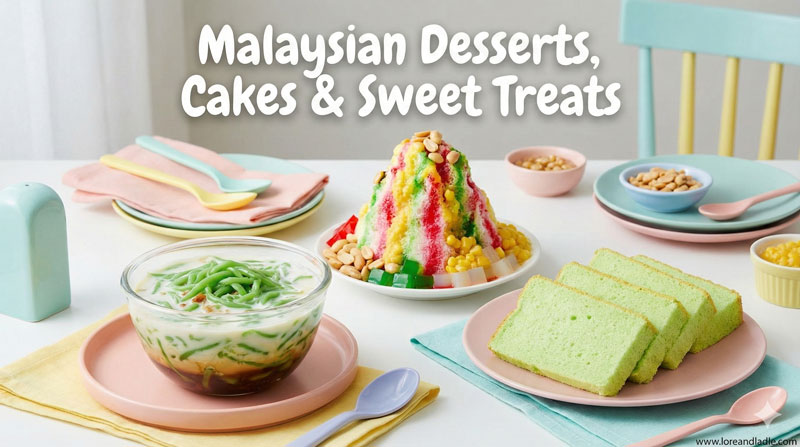
Cendol is a traditional Malaysian treat built around contrast and balance. The star elements are green pandan-flavored rice flour jelly strands, shaved ice, creamy coconut milk, and a rich palm sugar syrup. The pandan leaf gives a gentle aroma and a lively green hue. Each bite offers a chewy, satisfying texture that meets the smoothness of coconut milk and the syrup’s caramel warmth. The result is refreshing, comforting, and deeply Malaysian in character.
Ingredients and Craft
Crafting cendol starts with the jelly. A batter made from rice flour, a hint of tapioca, and pandan juice forms the green strands. The mixture is pressed through a perforated tool or a simple strainer to shape the noodles, then cooled in water so the strands keep their glide and bite. The other components are straightforward: shaved ice for chill, thick coconut milk for richness, and gula Melaka, a fragrant palm sugar syrup, for depth and sweetness. Some stalls add toppings such as red beans, sweet corn, or jackfruit, offering gentle variations while keeping the core flavor intact. In every element, care is clear. The act of assembling a bowl—layering ice, jelly, syrup, and milk—becomes a small ceremony that signals hospitality and care.
Cultural Significance in Malaysia
Cendol lives in the open, bustling corners of markets and in cozy home kitchens. It is a dish born of climate and community. On hot days, vendors scoop up bowls with a practiced rhythm, inviting passersby to pause, sip, and smile. Families often enjoy cendol after meals or as a welcome treat when guests arrive. The recipe travels softly between regions, picking up local twists while preserving the essential voice of pandan, coconut, and palm sugar. In this way, cendol acts as a cultural touchstone that many Malaysians recognize across ages and backgrounds. It is a dish that welcomes conversation, laughter, and shared tastes. The green strands, the pale coconut cream, and the amber syrup are familiar signals of home on a plate.
The Comfort of Cendol in Everyday Life
Cendol offers a gentle form of comfort. The coolness of shaved ice meets the creaminess of coconut milk, creating a soothing sensation on warm days. The chewy jelly adds texture that engages the senses, making the experience feel both casual and celebratory. This balance—cool, creamy, chewy, sweet—is what makes cendol a staple in daily life. It is not a rarity; it is a reliable friend at street stalls, school events, and family meals. People return to it because the flavors feel honest and familiar, and because the serving pace encourages slowing down to savor the moment.
Ways It Appears in Everyday Scenes
In city markets, cendol is a welcome sight between stalls of fruits and snacks. A vendor calls out the day’s freshness, and a line forms with people eager for a bowl. at Home, families may replicate the Flavors in a glossy, homey version, adjusting the sweetness or coconut richness to suit their preferences. For visitors, cendol offers a gentle introduction to Malaysian tastes: pandan aroma, rich coconut, and the warm hug of palm sugar. The dish travels well in memory, too, since its components are both iconic and adaptable.
Serving and Pairing Ideas
Traditionally, cendol is served in a simple bowl, emphasizing the harmony of its parts. To elevate the experience, you can experiment with toppings like sweet corn kernels for a pop of texture, red beans for a gentle earthiness, or fragrant durian bits for a bold twist. A squeeze of lime can brighten the flavor, and a touch more gula Melaka deepens the caramel notes. Best of all, sip slowly. The sweetness and aroma unfold in layers, inviting you to notice how the jelly’s bite changes as the ice melts.
A Bright, Refreshing Tradition
Cendol embodies a bright, refreshing tradition that respects the past while inviting new moments. Its ingredients are simple, yet the dish carries a smile-inducing charm that draws people together. It stands as a reminder that food can be both everyday nourishment and a small celebration. The experience highlights generosity, patience in preparation, and the joy of sharing a bowl with others. In this light, cendol becomes more than a dessert; it is a cultural practice rooted in hospitality and sensory delight.
Conclusion
If you seek a dish that celebrates the warmth of Malaysian food culture, cendol stands out. It mirrors the community spirit found in markets and homes alike. With its pandan-green strands, silky coconut milk, and palm sugar sweetness, it offers a flavor map of the region’s tastes and textures. Try cendol next time you crave something cooling, comforting, and culturally rich. You will taste not only a dessert but a cheerful, inviting tradition that belongs to Malaysia’s culinary heart.