
A Bright Introduction to a Malaysian Favorite
This post introduces How to Make Cendol Just Like a Malaysian Restaurant. Cendol is more than a dessert. It is a reflection of a warm climate, a love for fresh flavors, and a community joy shared across eateries and homes. The dish carries a gentle green glow, a fragrance of pandan, and a crowd-pleasing balance of texture and sweetness. Read on to explore its cultural value and culinary significance, and to see why cendol holds a cherished place in Malaysian food culture.
Cendol as a Daily Celebration in Malaysian Life
Cendol appears in many moments of daily life. It graces busy street stalls, quiet coffee shops, and family kitchens. On hot days, it offers immediate refreshment and a moment of calm. Yet its appeal goes beyond cool relief. The dessert embodies hospitality, generosity, and the idea that a simple bowl can bring people together. The way it is shared, crowded around a table or served in a small bowl at a stall window, mirrors a social spirit that welcomes others to join in. In this light, cendol is not just a dish; it is a ritual of enjoying the present moment with friends and family.
The Craft Behind the Green Strands
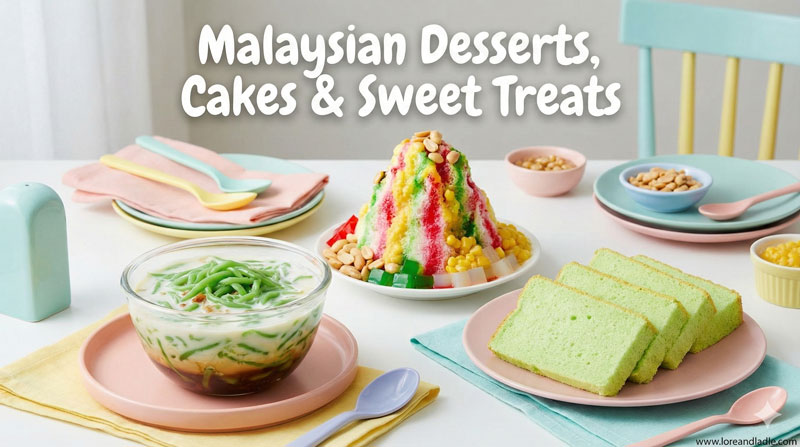
The blue-green strand you see in a bowl of cendol is the character of the dish. These strands come from a careful blend of ingredients and technique. Pandan leaves give a distinctive aroma and a bright, natural color. The dough is pressed through a tool to form long, soft ribbons that resemble little emerald threads. This is then released into the bowl as part of a larger harmony.
Attention to detail matters. Chefs choose the right balance of flour and water to create strands that are chewy without being tough. The tools used, the tempo of pressing, and the timing of chilling all contribute to the texture that diners expect. Together, these choices reveal a respect for craft and a desire to honor traditional methods while presenting the dish with a clean, restaurant-quality finish.
Harmonious Flavors: Coconut, Palm Sugar, and Pandan
The flavor trio in cendol comes from coconut milk, palm sugar syrup, and pandan-flavored jelly strands. The coconut milk brings gentle richness, easing the sweetness and lending a creamy mouthfeel. Palm sugar, often called gula melaka, offers a deep, caramel-like sweetness with a hint of molasses. Pandan, used in both aroma and color, connects the dish to its natural origins and local ingredients. The combination is cooling, comforting, and bright all at once.
This balance—green fragrance, creamy milk, and warm caramel notes—speaks to a broader culinary philosophy. Malaysian cuisine often celebrates balance between colors, textures, and flavors. Cendol embodies that philosophy in a single bowl: the crisp ice provides contrast to the smooth milk; the pandan strands offer a soft chew against the liquid sweetness; the colors reflect a natural, appetizing palette. In a restaurant setting, chefs aim to maintain this balance while presenting a clean, accessible version that still honors tradition.
A Visual Treat and Sensory Experience
Color, texture, and aroma all come together in cendol. The striking green strands stand out against the pale milk and dark syrup. The ice crackles softly as it meets the other ingredients, creating a refreshing sensation with every spoonful. The presentation is unfussy yet elegant, inviting the diner to savor each element separately and then enjoy their combination. This visual appeal matters in how the dish is perceived and remembered, reinforcing its status as a beloved comfort food with restaurant-style finesse.
From Kitchen to Restaurant: A Shared Culinary Journey
The journey from home kitchen to restaurant is a story of care, adaptation, and cultural pride. Home cooks pass notes, swaps, and tweaks to family recipes, preserving a living tradition. In restaurants, chefs refine the method, source high-quality ingredients, and craft a consistent experience while preserving the dish’s heart. The same cendol recipe can travel across places and still feel like the same essential dish, because its core is a shared idea: a cool, fragrant, and comforting dessert that brings people together.
This journey also shows how cendol adapts to life in different settings. In markets, you might see bold greens and strong, sweet syrup. In a refined restaurant, the same components appear with a noted balance and a smoother presentation. In every case, the dish remains approachable and inviting, inviting guests to pause, savor, and connect with the moment.
Why Cendol Matters in Malaysian Food Culture
Cendol has earned its place not only for taste but for meaning. It is a dish that travels well in the sense that many places can recreate its essence with care. It invites curiosity about ingredients, technique, and the sensory joy of a well-made treat. The dessert also serves as a reminder of how regional flavors—pandan, palm sugar, and coconut—work together to create a distinctive, comforting profile. In short, cendol celebrates local ingredients, the skill of execution, and the pleasure of sharing good food.
Tips for Appreciating Cendol Like a Malaysian Restaurant
- Observe the balance: look for bright green strands, a white coconut milk layer, and a dark, fragrant syrup. Each element carries meaning and contributes to harmony.
- Notice the texture: enjoy the chewy bite of the cendol strands against the creaminess of the coconut milk and the cool refreshment of shaved ice.
- Savor the aroma: pandan brings a gentle, comforting fragrance that signals freshness and quality.
- Appreciate the service moment: in a restaurant, the dish is often served promptly, with attention to presentation and temperature, inviting the guest to start and finish with the same delight.
A Gentle Invitation to Explore
If you are curious about how the dish comes together, visit a Malaysian restaurant or a well-run home kitchen that prepares cendol with respect for its roots. You will sense the care in every element—the strands, the milk, the syrup, and the ice. You will feel the cultural value as a moment of connection, a shared enjoyment that rests on hospitality and tradition. And you may find that making cendol at Home, even in a simplified form, is a joyful way to partake in a beloved culinary tradition.
Final Thought
Cendol is more than a dessert. It is a quiet celebration of climate, ingredients, technique, and togetherness. It shows how a simple bowl can carry a village-to-city story of taste and care. By savoring cendol, you honor a cultural practice that respects nature, craftsmanship, and communal delight. In this way, How to Make Cendol Just Like a Malaysian Restaurant becomes not only a guide to a recipe, but a doorway into the beauty and significance of Malaysian food culture.