
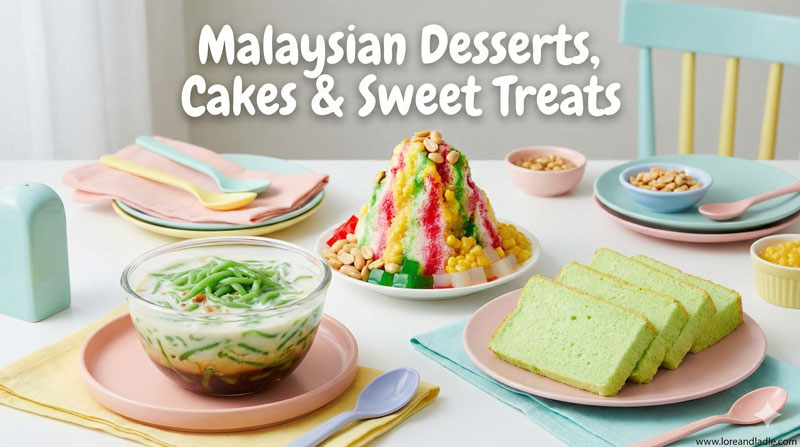
A Refreshing Introduction to Cendol
Cendol is a bright, inviting dessert that travels from Southeast Asia to many American dining tables. It arrives as a bowl of emerald-green ribbons resting in a bed of coconut milk, crowned with shaved ice and a glossy palm-sugar syrup. The result is cooler, lighter, and deeply satisfying. in the United States, food lovers discover it as a playful, thoughtful treat on hot days and as a fragrant reminder of a shared Love for inventive desserts. The beauty of cendol lies in its balance: the chewy ribbons, the creamy milk, and the gentle caramel tones from palm sugar all meet in a single, refreshing bite. It feels both comforting and celebratory, inviting you to slow down and savor each mouthful. This dish becomes a small ritual—a moment to pause, smile, and enjoy a harmony of textures that stories and cultures have refined over time.
The Classic Components and Craft
The core of cendol rests on three essentials. First, the cendol itself: jade-green strands made from rice flour and flavored with pandan leaves. Second, a light, velvety coconut milk that envelops the ribbons without overpowering them. Third, a fragrant palm-sugar syrup, often called gula Melaka, whose warm, caramel sweetness ties the bowl together. Shaved ice completes the ensemble, delivering a crisp chill that brightens every other note. In the kitchen, these elements meet with intention. The greens come in ribbons that are tender yet springy. The coconut milk adds creaminess, while the palm sugar offers depth and a hint of toasty richness. Chefs and Home Cooks alike honor the method, ensuring the ribbons flow smoothly and the syrup soaks just enough to perfume the dish without becoming heavy.
The Sensory Journey: Texture and Flavor
Cendol invites a rich sensory experience. First comes the chew of the cendol ribbons, a playful bite that resists mushiness and stays buoyant. Next, the cooling wave of coconut milk provides a creamy counterpoint, softening the starch and heightening the dessert’s round sweetness. The palm-sugar syrup adds a mellow caramel note, lingering gently on the tongue. Shaved ice offers a refreshing crunch, so every mouthful snaps between soft and crisp. In American settings, this texture dance resonates with diners seeking both novelty and comfort. The dish rewards curiosity with a clear, satisfying structure: chewy starch, smooth milk, and a warm-sweet finish that lingers just long enough to invite the next spoonful.
A Cultural Significance in American Dining
Across the U.S., cendol has become a beloved option in cafes, pop-up stalls, and dessert menus that highlight global flavors. It stands out not only for its taste but for what it represents: a thoughtful approach to dessert that centers balance, freshness, and craft. The dish is adaptable to a wide audience, thanks to its plant-based ingredients and refreshing profile. It encourages chefs to present a drawing-room version in refined settings or a street-food-inspired bowl in markets, always with the same core heart. Diners appreciate the way cendol communicates care—care in sourcing ingredients, in technique, and in presenting a dish that is both delightful and sincere. In this way, cendol contributes to a broader conversation about culinary value and the joy of sharing a well-made treat.
How to Enjoy Cendol Across America
Enjoying cendol in the United States can be as simple as ordering a classic bowl at a neighborhood cafe or trying a creative rendition at a lively market. Look for versions that honor the pandan aroma, the coconut’s creaminess, and the palm-sugar sweetness. If you make it at home, you can start with ready-made cendol ribbons, simmer a gentle palm-sugar syrup, and whisk in coconut milk for a smooth finish. You can also experiment with toppings—shaved ice for extra chill, a scoop of vanilla ice cream for a richer contrast, or seasonal fruit for brightness—so the dish suits your mood and setting. Whatever the setting, cendol invites hands-on enjoyment and a moment to appreciate careful preparation and thoughtful flavor pairing.
Preserving Craft and Inspiring Innovation
Chefs and home cooks nurture cendol by honoring its core craft while inviting fresh ideas. Some creations highlight the pandan note even more, offering a brighter green hue and an intensified aroma. Others introduce gentle variations, such as pairing the dish with complementary fruits or light toppings that highlight coconut and caramel. The result is a spectrum of expressions—from classic bowls that speak to tradition to contemporary versions that celebrate innovation. In every version, the spirit remains the same: a dessert that respects balance, invites exploration, and celebrates the joy of sharing a well-made treat. This openness—staying true to the dish while welcoming new ideas—keeps cendol lively on American menus and in homes.
Closing: The Joy of Cendol
Cendol’s appeal in the United States rests on its careful construction and warm, inviting charm. It offers a cultural moment that is deeply satisfying, yet approachable. The ribbons, milk, and syrup come together with ice to create a dessert that is refreshing, comforting, and full of character. As more diners encounter cendol, they discover not only a delicious treat but also a small celebration of flavor, texture, and care. In this light, cendol truly wins over food lovers across the country—one bright bowl at a time.