
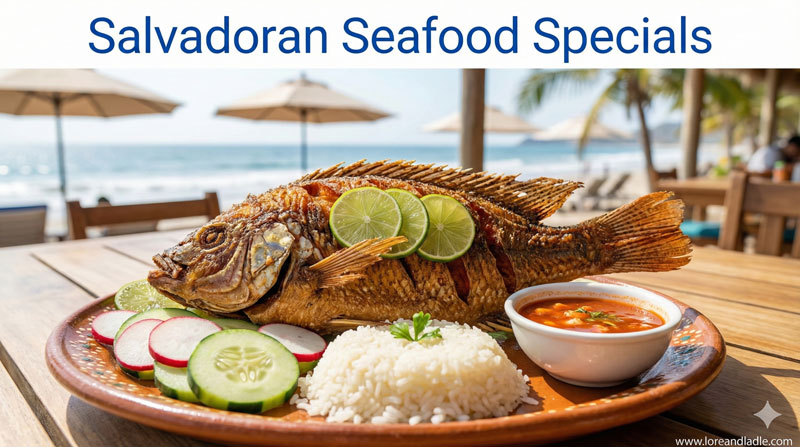
Introduction: Comfort Food Cravings: ceviche salvadoreño with bright citrus flavors You’ll Want Again and Again
This dish invites the senses to celebrate the sea and the sun. Ceviche salvadoreño combines fresh fish with bright citrus, crisp onions, and fragrant herbs. In every bite, you feel the coast and the home kitchen blending together. This is comfort food that speaks of daily life, family tables, and local markets. It Is a dish you can crave, season after season, for its balance of freshness and warmth.
The Bright Citrus Core: Key Ingredients and Flavor
The heart of this ceviche is the citrus custodian. Lime juice tenderly “cooks” the fish, turning it silky and vibrant. Next, sweet onions add crunch and a touch of peppery bite. Fresh cilantro brings leafy brightness, while tomatoes contribute color and a gentle sweetness. A splash of heat from a jalapeño or other chili offers balance without overpowering the fish. Finally, salt heightens all the flavors, and the dish rests briefly to marry the components.
- Common proteins: fresh white fish such as corvina or similar, cleaned and cut into even pieces.
- Aromatics: minced onion, chopped cilantro, diced tomato.
- Liquids: lime juice as the main acid, with optional notes of other bright citrus.
- Texture enhancers: crisp tostadas or maize crackers to partner with the fish.
The result is a dish that feels light yet satisfying. The citrus aroma lingers, inviting another bite. It easily adapts to available ingredients while retaining its distinctive character.
A Slice of Salvadoran Culinary Culture
This ceviche sits at the heart of coastal Salvadoran cooking. It is popular in markets, seaside stalls, and family kitchens alike. The dish reflects a connection to local fisheries, seasonal produce, and shared meals. People prepare it for gatherings, quick weeknight dinners, and festive occasions. Its simplicity makes room for regional accents, yet its core elements remain recognizable across communities. In this way, ceviche salvadoreño becomes a thread in the tapestry of Salvadoran food culture—reliable, welcoming, and deeply comforting.
Serving with friends and family emphasizes hospitality. A bowl of ceviche signals a pause in the day for conversation and savoring. The accompanying crunch of tostadas or maize crackers adds texture and helps pace the meal. In urban centers and coastal towns alike, this dish bridges generations through a common flavor memory: bright citrus, fresh fish, and a moment of shared delight.
Craft and Technique: How It Comes Together
Good ceviche relies on timing and balance. Start with the freshest fish you can find. Cut it into uniform pieces so each bite feels even. Coat the fish with lime juice and let it mingle with the aromatics just long enough to develop a tender texture. Do not over-marinate; the goal is a delicate edge of acidity that fades into the fish’s natural flavor.
Next, fold in onion, cilantro, and tomato with care. Taste and adjust salt and citrus until the profile feels bright but not overpowering. Finally, serve promptly with crisp tostadas or plantain chips to provide contrast and a satisfying crunch.
Technique matters here, but so does restraint. The best versions rely on clean flavors, fresh ingredients, and a gentle hand. When prepared with attention, ceviche salvadoreño becomes a showcase of technique drawn from everyday cooking.
Regional Flair and Adaptations
Across coastal areas, cooks adapt the dish to local produce and tastes. Some versions emphasize extra citrus notes for a more pronounced brightness. Others feature milder onion slices or a touch of cucumber for extra crunch and coolness. Plantain chips or warm tortillas can accompany the ceviche, offering a familiar texture contrast. Certain households experiment with finished touches, like a light drizzle of olive oil or a whisper of pepper for aroma.
These small variations highlight how the dish travels within a culture. Each family or market stall puts its own signature on the recipe, while the core concept—the fresh fish kissed by citrus—remains constant. This balance between tradition and personal touch is a common thread in Salvadoran cooking, enriching the dish without losing its essence.
Pairings, Sharing, and Everyday Significance
Ceviche salvadoreño shines in social settings. It pairs well with light drinks and cool refreshments that mirror its freshness. In everyday meals, it functions as a quick yet nourishing option that fits into busy schedules. For celebrations, cooks may present a generous platter that invites guests to serve themselves, encouraging conversation and connection. The dish’s vibrant color and crisp textures make it appealing to a wide audience, inviting participation and appreciation.
The cultural value here lies in its accessibility and its ability to bring people together. It is a reminder that good meals can be simple, honest, and deeply satisfying. By welcoming both seasoned cooks and curious beginners, ceviche salvadoreño strengthens a sense of culinary community.
Tips for Home Cooks: Savoring the Dish While Honoring Tradition
- Choose fresh, high-quality fish. Look for clear eyes, firm flesh, and a clean scent.
- Balance lime’s acidity with gentle seasoning. Add salt gradually and taste often.
- Slice ingredients evenly for uniform texture in every bite.
- Chill briefly before serving, then present with crisp tostadas or maize crackers.
- Customize with gentle citrus accents or a touch of heat to suit your palate.
These pointers help you capture the dish’s bright, inviting character while honoring its cultural roots. The result is a reliable, comforting meal you can prepare with confidence.
Closing Thoughts: The Timeless Allure of Ceviche Salvadoreño
Ceviche salvadoreño with bright citrus flavors offers more than a satisfying meal. It embodies the beauty of coastal cooking, the joy of shared moments, and the skill of turning simple ingredients into something deeply memorable. Its cultural value rests in its clarity, its adaptability, and its ability to connect people through flavor. If you seek a dish that feels fresh, comforting, and distinctly Salvadoran, you have found it. You’ll want to return to it again and again.