
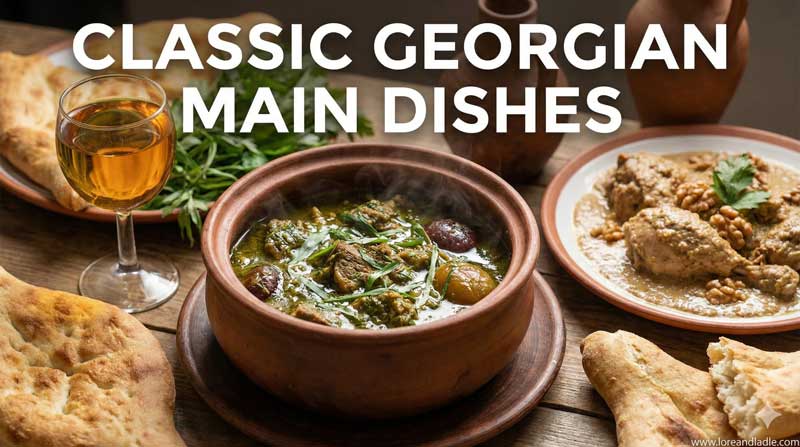
How to Pair slow-cooked chakapuli lamb stew with Simple Sides
Chakapuli is a celebration dish. When lamb braises slowly with bright greens and spring herbs, the kitchen fills with a calm, inviting aroma. This post invites you to savor both the dish and its place in Georgian culinary culture. You will find ideas to pair slow-cooked chakapuli lamb stew with simple sides that respect the dish’s delicate balance and highlight its herbal brightness.
What is Chakapuli?
Chakapuli is a traditional Georgian stew that centers tender lamb and a chorus of fresh herbs. Tarragon stands out, bringing a gentle anise note that lifts the meat. Dill, parsley, cilantro, and green onions join in, adding layers of green fragrance. White wine is often used in the simmer, helping to meld flavors and lend a soft acidity. The result is a bright, herb-forward stew that feels light despite its richness. This dish embodies a seasonal spirit—greens and herbs signaling springtime and renewal.
The Slow-Cook Method and Flavor
Slow cooking deepens the lamb’s flavor while preserving tenderness. Gentle heat lets connective tissue dissolve, yielding a velvety bite. The herbs release their oils slowly, weaving citrusy and herbal notes through the meat. The wine aids in emulsifying fats and brightening the overall taste. Because the process is patient, chakapuli achieves a harmony that is best enjoyed in quiet, lingering bites. The method itself reflects a cultural appreciation for time-honored technique and careful attention at the stove.
Flavor Profile and Cultural Significance
Chakapuli shines with balance. The lamb offers savory richness, while the herbs provide freshness and brightness. The tarragon gives a delicate licorice-like aroma, kept in check by the dill and parsley. The result is a dish that feels both comforting and lively. Culturally, this balance speaks to Georgian culinary values: respect for seasonal greens, a preference for herbaceous brightness, and the joy of sharing a dish that invites conversation. The stew pairs well with breads and simple sides, inviting everyone to gather around the table. In essence, chakapuli is more than a meal; it is an expression of seasonal harmony and communal savor.
Pairing Principles for Chakapuli
To pair chakapuli well, focus on balance and contrast. Consider these guiding ideas:
- Acidity and brightness: the herbs supply light acidity; choose sides that echo this without overpowering it.
- Texture harmony: delicate greens and sauces pair best with soft, chewy breads, light grains, or creamy elements.
- Sauce integration: a gentle side that can mingle with the stew on the plate helps unify flavors.
- Meat emphasis: keep sides simple so the lamb remains the star.
These principles help you choose accompaniments that enhance the dish’s herbal glow and tender lamb.
Simple Sides That Complement Chakapuli
Here are approachable, uncomplicated sides that harmonize with slow-cooked chakapuli lamb stew:
- Flatbread or lavash: a warm, chewy bread to scoop up stew and soak up sauce.
- Plain or lemony rice: a neutral base that lets the herbs shine.
- Creamy yogurt sauce or matsoni-style yogurt: a cool counterpoint that adds tang.
- Light green salad with citrus vinaigrette: freshness to lift the palate between bites.
- Roasted baby potatoes or boiled new potatoes: gentle starch with natural sweetness.
- Steamed green beans or asparagus: crisp-tinish greens that echo the dish’s herbaceous notes.
- Pickled vegetables: a small touch of brightness to contrast richness.
- Cucumber-dill salad: cool, crisp, and complementary to tarragon’s herbal character.
If you prefer gluten-free options, lean on rice or potatoes, and use yogurt-based sauces to add body without heaviness. If you enjoy bread, a simple flatbread is ideal for mopping up the flavorful sauce. Each side can stand on its own while supporting the main stew, creating a balanced plate.
Step-by-Step Pairing Guide
1) Start with the mood: select a side that mirrors the dish’s brightness. A lemony salad or a cucumber-dill salad works beautifully.
2) Choose texture: pair the tender lamb with a gentle starch or a soft bread to create a comforting bite.
3) Balance acidity: if the stew feels very bright, add a side with mellow acidity or a dairy element to soften it.
4) Plate for harmony: place a small portion of grain or bread beside the stew and add a crisp green element to complete the plate.
5) Taste and adjust: take a bite of both the stew and the side together. If needed, add a pinch of salt or a squeeze of lemon to finish.
Serving Tips and Cultural Enjoyment
Serve chakapuli in warm bowls alongside the chosen sides for a cozy, inviting meal. A light drizzle of olive oil over the greens can enrich the aroma. Present the dish with a simple garnish of fresh herbs to echo the flavors inside the pot. This approach honors the dish’s herbal emphasis and highlights its cultural beauty. Sharing a meal like this invites conversation about seasonal ingredients and the joy of simple, honest cooking.
Seasonal and Regional Notes
Chakapuli is most vibrant in spring when greens are fresh. In different regions, cooks may adjust herb balance to reflect local tastes, yet the core idea remains: herb-forward flavor, tender meat, and bright acidity. You can adapt sides to match what’s readily available, preserving the dish’s essence while honoring local produce. The result is a meal that feels rooted in place and season.
Conclusion
Pairing slow-cooked chakapuli lamb stew with simple sides reveals the dish’s cultural value and culinary significance. The harmony of tender lamb, bright herbs, and gentle acidity invites sharing and reflection on seasonal cooking. With a few thoughtful sides, you can create a meal that feels both elevated and approachable. Embrace the ritual of slow braising, celebrate the greens at the table, and enjoy the lasting beauty of this Georgian favorite.