
A Warm Introduction to a Beloved Dish
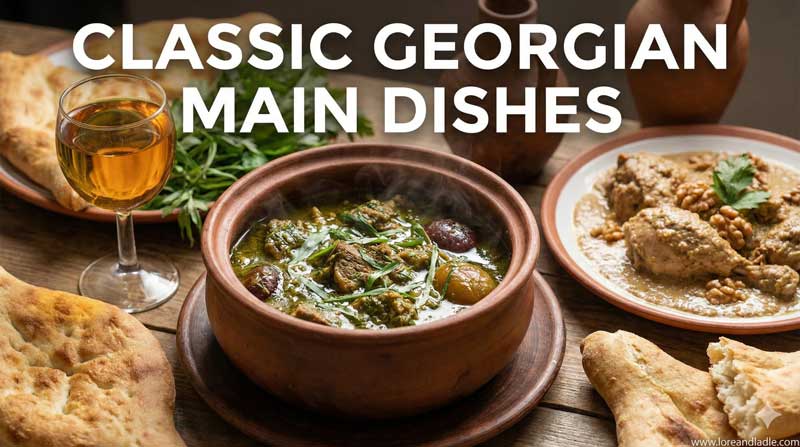
Comforting slow-cooked chakapuli lamb stew Dishes Everyone Will Love is more than a recipe. It is a doorway into Georgian kitchen culture, where scent and patience tell a quiet, generous story. Tender lamb braises with bright greens and a tart note from green plums, all drawn together by herbs and a touch of wine. The result is a dish that feels like a hug from the stove, inviting conversations and shared bites. This is a meal that travels from the pot to the heart, turning a dinner into a memory.
Spring in a Pot: Key Ingredients and Their Significance
The dish is built around a simple, seasonal idea. Lamb provides warmth and depth. Fresh herbs—tarragon, dill, cilantro, and parsley—offer a forest of fragrance and balance. Green plums add a lively tartness that lifts the meat and the sauce. A splash of white wine merges with the juices, creating a silky glaze as the stew rests. This combination puts seasonality at the center: spring greens, bright herbs, and fruit that brings brightness without overpowering the meat. The result is a bright, comforting dish that feels both grounded and celebratory.
The Technique that Delivers Tenderness and Balance
The path to perfection in chakapuli is patience. Start with a gentle browning of the lamb to deepen flavor. Then deglaze the pan with a splash of wine, collecting every flavorful bit from the bottom. Next, simmer slowly with onions, herbs, and the plums. The key is slow, even heat that lets the lamb become almost melt-in-your-mouth while the greens release their aroma gently. Toward the end, the herbs go in to preserve their fresh, vibrant notes. The sauce thickens to a silky coat that clings to every chunk of meat. This method creates a comforting texture and a sauce that feels like a warm embrace in a bowl.
The Herb Chorus: Tarragon, Dill, Parsley, and Cilantro
Herbs are the storytellers of this stew. Tarragon lends a subtle anise-like brightness that brightens the meat without overpowering it. Dill adds a sunny, fresh note that lifts the sauce. Parsley and cilantro contribute clean green tones and a hint of sharpness that round out the flavors. When these herbs mingle with the sour-green-plum tang and the wine, they form a delicate balance. The result is a layered aroma: fragrant yet focused, bold but never heavy. The herb combination is a hallmark of the dish’s character and a testament to how Georgian cooks use greens to shape flavor.
A Table of Hospitality: Serving, Pairings, and Shared Moments
Chakapuli is a dish meant for the table, not the kitchen alone. It shines when shared with family and friends, around a sturdy pot or a shallow serving dish. Pair it with crusty bread to mop the sauce, and offer a simple yogurt or fresh cheese on the side for a creamy counterpoint. A crisp, dry white wine or a light red can accompany the meal, enhancing the tang of the plums and the brightness of the herbs. In many homes, the act of serving—the plating, the first slice of lamb, the lifting of steam—marks a moment of hospitality and welcome. This is the kind of dish that invites everyone to come closer, share a story, and savor the care that went into the cooking.
Regional Variations and Family Traditions
Across Georgian homes and regions, chakapuli can take on small, comforting differences. Some cooks emphasize the herbal finish even more, others adjust the balance with a little extra sourness from plums or even a touch of citrus zest. While the core remains lamb, spring herbs, and plums, these tweaks reflect family sensibilities and seasonal choices. The dish travels gently between kitchens, yet always preserves a recognizable thread: a lamb-centered stewing method that celebrates herbs, acidity, and slow cooking. The result is a dish that feels both familiar and a little adventurous, a culinary touchstone that many households return to again and again.
The Cultural Value: A Lesson in Hospitality and Craft
This stew offers a clear lens into Georgian food culture. It embodies hospitality, patience, and the pleasure of a well-furnished table. The process rewards time spent at the stove with a meal that carries the warmth of home and a sense of place. The herbs tell stories of the fields, the plums bring a seasonal spark, and the wine notes connect the dish to the culture of sharing. In every pot, there is a message: food here is a bridge between generations, a way to welcome friends, and a reason to slow down and savor. Chakapuli is not just sustenance; it is a ritual of care that honors both cook and guest.
Why This Dish Respects and Elevates Culinary Craft
Culinary significance shines through in the way chakapuli balances technique with heart. The browning adds complexity, the simmering deepens flavor, and the herbal finish delivers finesse. The dish teaches how to listen to ingredients: when to fold in the herbs, when to let the plums release their tart brightness, and how wine can harmonize rather than overwhelm. It demonstrates how a few well-chosen elements—lamb, greens, a splash of wine, and patience—can become a dish with depth, comfort, and charm. For cooks and food lovers alike, chakapuli offers a model of thoughtful cooking that feels both traditional and alive.
Conclusion: A Timeless Comfort in the Heart of Georgian Cuisine
Comforting slow-cooked chakapuli lamb stew Dishes Everyone Will Love stands as a showcase of what makes Georgian cuisine so inviting. It combines the tenderness of well-cooked meat, the lift of fresh herbs, and the sparkle of sour fruit into a single, memorable meal. It is a testament to hospitality, to seasonal cooking, and to the joy of sharing a pot of something thoughtfully prepared. Whether you are cooking for a quiet weeknight or a festive gathering, this dish offers a warm invitation: come to the pot, breathe in the aroma, and savor a dish that celebrates both culture and craft.