
Char Kway Teow: A Malaysian Comfort Food You Need to Try Next
Char Kway Teow stands as a beloved example of Malaysian Comfort Food. It invites you into everyday cooking and dining with warmth, skill, and a bright mix of flavors. This dish feels like a friendly invite to slow down, savor a plate, and enjoy the craft behind a simple meal. It is both a familiar staple and a celebrated treat in homes, markets, and bustling stalls.
A Glimpse of Malaysian Noodle Culture
In Malaysia, street food lines the heart of daily life. Char Kway Teow is a bright thread in that fabric. It appears at breakfast stalls, lunch counters, and late-evening markets. Its appeal goes beyond taste; it signals a moment of shared space. People gather around sizzling woks, exchange smiles, and wait a few minutes for a hot plate. The dish reflects practical, everyday cooking—local ingredients, quick technique, and a sense of place that is easy to recognize anywhere in the country.
The Sizzle of the Wok and the Skill of the Cook
The magic begins with the wok. A hot, well-seasoned pan delivers the signature scent called wok hei, a slightly smoky, caramelized note. Cooks move rapidly, tossing noodles with practiced flicks of the wrist. The heat needs to be high, the timing precise, and the ingredients ready. This is not merely frying; it is a brief, dramatic performance that seals flavor and texture in moments. Those who watch feel the joy of a well-tuned kitchen, even in a crowded hawker stall.
Core Flavors and Textures
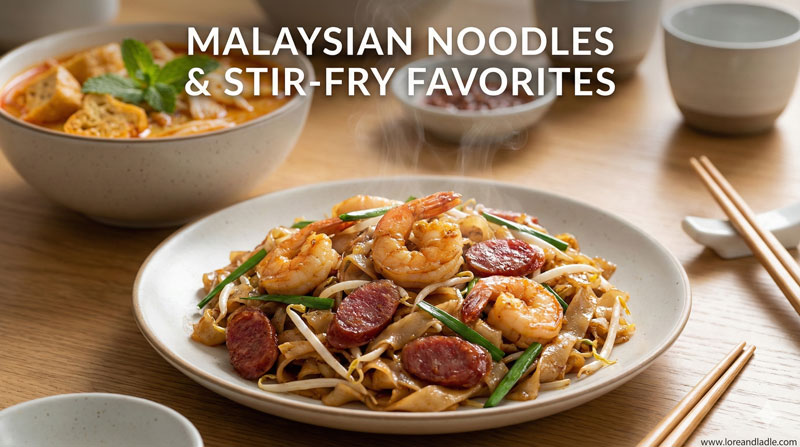
Char Kway Teow centers on flat rice noodles. They soak up soy sauce, a touch of dark sauce for depth, and a hint of sweetness. Garlic and eggs add warmth, while prawns offer a delicate sweetness. Some versions include cockles for briny bite, and others feature slices of savory sausage. Bean sprouts provide crunch, and chives bring a fresh finish. The dish balances savory, smoky, and salty notes with a soft-to-chewy noodle texture. Each bite tells a story of careful seasoning and quick fire, a harmony that feels both simple and refined.
Regional Heartbeat: How It Adapts Across Towns
Across Malaysia, variations thrive. If cockles aren’t preferred, a cook might skip them and lean into other proteins. Some kitchens fold in slices of Chinese sausage for a subtle sweetness, while others focus on prawns or a vegetarian approach. The core remains the same: fast cooking, bold flavors, and a plate that people recognize as homey and satisfying. These small differences showcase local tastes while preserving the dish’s essential identity.
The Comfort of a Shared Plate
Char Kway Teow shines most when shared. A table of friends or family gathers around a steaming platter and trades stories as they eat. The aroma lifts conversation, and the act of passing a shared plate creates connection. In this way, the dish becomes more than food; it is a moment of togetherness that many people value as part of daily life.
Pairings and Moments to Try
Enjoy Char Kway Teow hot for the fullest aroma and texture. A simple cup of tea or a cool, refreshing drink pairs well without overpowering the noodles. Some diners like a squeeze of lime to brighten the flavors just before eating. The dish is versatile enough to sit beside a meal or stand proudly on its own as a satisfying, comforting bite.
A Lasting Favorite in Malaysian Food Culture
Char Kway Teow embodies the beauty of Malaysian cooking: quick wok-based craft, bold yet balanced flavors, and a dish that welcomes everyone to the table. Its cultural value lies in its everyday accessibility, its skillful technique, and its role as a shared, comforting experience. When you try Char Kway Teow, you taste more than noodles—you taste a sense of place, craft, and community. This is a dish worth trying next, with curiosity and a open heart.