
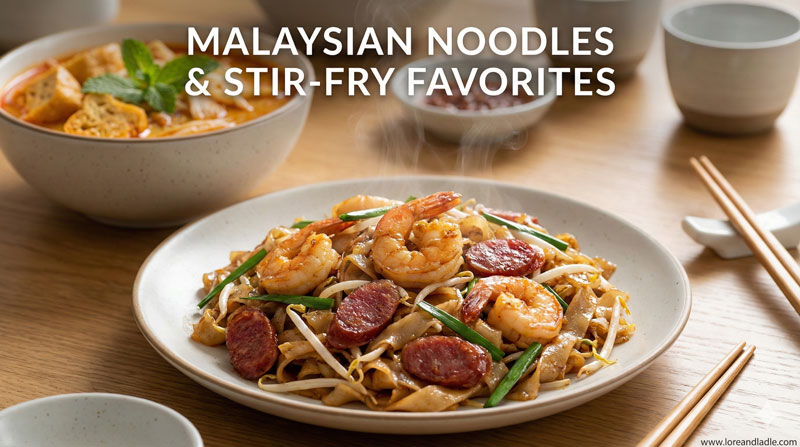
Char Kway Teow is a dish that invites a sense of place into the kitchen. The version we call Better-Than-Takeout Char Kway Teow You Can Make in Your Own Kitchen transforms street-smart technique into home-cooked comfort. It honors a vibrant culinary dialogue between heat, knife, and flame, and it stands as a quiet celebration of culture through every bite.
A Doorway to a Living Culinary Tradition
Char Kway Teow lights up the memory of busy stalls where cooks move with rhythm and speed. It is more than noodles and sauce; it is a living tradition that travels from bustling markets to family kitchens. The dish embodies a philosophy of balance: savory, slightly smoky, and just a touch sweet, all in harmony with the fresh bite of greens and aromatics. When prepared at Home, it becomes a bridge between daily meals and the city flavors that inspire countless cooks to improvise with confidence.
The Craft Behind Char Kway Teow: Flavor, Texture, and Wok Hei
The magic of Char Kway Teow comes from its technique. The sizzling moment when noodles contact a hot wok releases aroma and a glossy glaze. This is the essence of wok hei—the breath of the wok—an intangible quality that gives the dish its depth. Texture matters as well: the noodles should be tender yet resilient, the proteins lightly seared, and the chives crisp-tender. Each stir turns rough edges into a smooth, savory ribbon. In home kitchens, this craft is accessible and rewarding, inviting cooks to refine heat control and timing with patience.
Core Elements That Define the Dish
A few elements anchor the dish’s character. Flat rice noodles form the chewy, glossy base that coats the wok-scented glaze. Eggs add a gentle richness, often mingling with the noodles in quick, soft folds. Aromatics like garlic and green onions bring brightness, while chives add a distinctive lift. Sauces—usually a balance of light soy, a touch of dark soy for color, and sometimes a hint of fish sauce or salt—provide depth without overwhelming the noodles. Optional components like seafood or sliced meat introduce regional variety, yet the essence remains the same: an elegant interplay of smoke, savor, and sheen. This careful balance is what culinarians celebrate as a signature of Southeast Asian street-influenced flavors, now approachable in home kitchens.
Cultural Value: Community, Craft, and Continuity
This dish underscores the value of craft in daily life. It shows how a simple meal can carry a sense of place and shared memory. Home-cooked Char Kway Teow invites families to gather, compare notes, and celebrate small improvements—whether it’s achieving a slightly more radiant glaze or a touch more wok heat. The dish also showcases regional tweaks that reflect local markets and seasonal produce. In this way, it becomes a canvas for culinary accuracy and personal expression alike. The result is a meal that feels both familiar and exciting, a testament to how cooking can honor tradition while encouraging individual voice.
The Home Kitchen as a Stage for Tradition
In a home kitchen, the dish becomes a stage for technique and taste to meet daily life. The act of preparing it together, turning raw ingredients into a cohesive plate, mirrors the social rhythm of a shared table. Home Cooks learn to read the aroma, control the pace of tossing, and adjust seasoning to suit their own preferences. This democratizes an iconic street-food experience, making it accessible to everyone who loves good food. The cultural value is not only in the flavors but in the practice: deliberate planning, quick execution, and a final presentation that respects the ingredients and the cook’s care.
Practical Tips for Home Cooks: Capturing the Spirit at Home
To bring out the dish’s beauty in your own kitchen, focus on intention and timing. Preheat your pan until it glistens, then work in high heat for a crisp edge without overcooking. Prepare all ingredients before you begin, so you can toss quickly and maintain the wok’s heat. Use a sturdy wok or a wide pan that conducts heat well. Keep the noodles covered with a light coating of oil to prevent sticking, and avoid crowding the pan to preserve texture. Finish with a handful of fresh chives or a squeeze of lime to brighten the final bite. These steps honor the dish’s signature balance and help you approach the final plate with confidence and care.
A Closing Note: The Beauty of Shared Flavors
Better-Than-Takeout Char Kway Teow You Can Make in Your Own Kitchen invites you to slow down and savor the beauty of shared flavors. It is a dish that celebrates skill and simplicity, urging home cooks to honor technique while making it their own. In every plate, you taste a thread of culinary culture that travels from markets to home, from skillet to table. Let this dish inspire you to explore textures, adjust flavors to your preference, and gather loved ones around the stove for a small ceremony of cooking and eating. The result is not just a meal, but a moment of connection—between person and plate, memory and present, tradition and personal joy.