
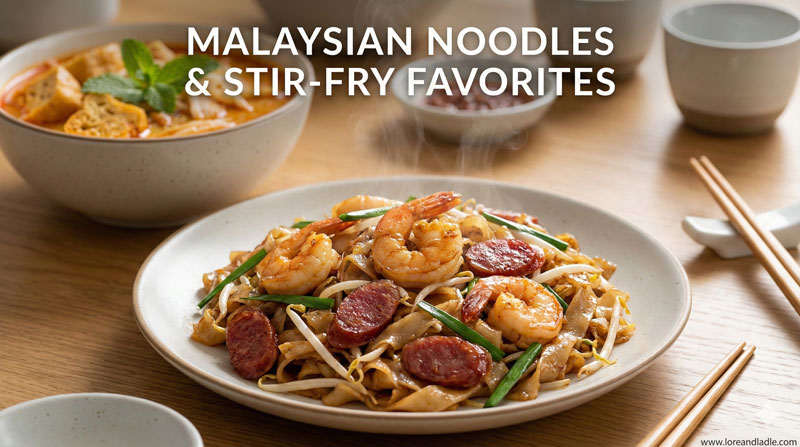
Char Kway Teow: A Window into Malaysian Food Culture
Char Kway Teow is more than a dish. It is a living character in Malaysia’s vibrant street food scene. This stir-fried noodle plate speaks to skill, speed, and shared moments around a steaming wok. When you taste it, you feel the craft of cooks who balance heat, timing, and texture. When you observe it, you witness a quick dance of ingredients to create a harmony of aroma and color. The dish holds a special place in the country’s culinary imagination because it brings together simple ingredients and bold technique into something greater than the sum of its parts.
Cultural Roots and Celebration of Craft
Char Kway Teow showcases how Malaysian food culture honors craft in everyday settings. In busy hawker centers and bustling markets, cooks practice a rhythmic routine that blends tradition with personal flare. The wok becomes a storyteller, and the flame tells a story of focus and pride. People gather to share a plate, exchange smiles, and savor the immediacy of a hot meal made before their eyes. This is how culture travels from kitchen to table: through speed, aroma, and the generosity of a shared moment.
The Signature Techniques: Wok Hei and Fire
A restaurant-quality Char Kway Teow carries a distinct aroma known as wok hei—the breath of the wok. This smoky perfume comes from very hot flames and rapid tossing of ingredients. It is not just about charring; it is about a searing kiss that seals flavor onto each noodle strand. Cooks aim for a glossy, slightly blistered surface on the noodles, with each piece carrying a hint of sweetness, salt, and umami. The technique requires attention to timing and order: the aromatics, proteins, vegetables, and noodles all come together in a precise sequence. When done well, the result feels bright, lively, and deeply satisfying.
Core Ingredients and What They Convey
The core ingredients of Char Kway Teow tell a story of region, season, and choice. Flat rice noodles form the canvas, their wide, silky strands ready to soak up sauce and aroma. Shrimp and eggs bring sweetness and richness, while bean sprouts add a crisp bite. Some versions include small portions of cockles or slices of lap cheong (Chinese sausage), which introduce briny sweetness and a chewy texture. Chinese chives or green onions offer a fresh kick that cuts through the fat and salt. The sauce is a ring of flavor: a blend of light soy for salt and savor, dark soy for color and depth, a touch of sugar for balance, and a drizzle of any preferred element for aroma. Each component plays a specific role, yet they blend into a unified, bright plate that represents everyday Malaysian dining at its best.
The Palette of Flavors: Balance and Craft
Char Kway Teow teaches us the art of balance. The dish relies on contrast: soft noodles meet crispy edges, sweet notes meet savory ones, and a hint of smokiness ties everything together. The texture is central: the glistening surface, the tender bite of noodles, the crunch of sprouts, and the chewy bite of optional seafood or sausage. This balance reflects a cultural appreciation for harmony—gladness in contrast and sympathy between tastes. When cooks manage the heat to preserve the noodles’ integrity while coaxing fragrance from the oil, they reveal a respect for ingredients and a knack for timing that elevates a humble plate into something memorable.
The Social Fabric: Char Kway Teow as Community Food
Char Kway Teow thrives in social spaces. It is a dish shared among friends at a bustling stall, enjoyed as a quick lunch during a busy workday, or savored as a comforting meal after a long afternoon. The presence of a plate of Char Kway Teow at a table signals hospitality and connection. It invites conversation about technique, ingredients, and local preferences. The same plate can tell many stories—about the stall owner’s pride, a family’s tradition of eating together, or a traveler’s first bite of a city’s flavor. In every bite, you sense a community built around food, where skill and generosity meet at the corner of a busy street.
Restaurant-Style at Home: How to Make It Just Like a Malaysian Restaurant
To evoke the restaurant experience at Home, focus on three pillars: heat, preparation, and balance. First, use a wide, sturdy pan or a traditional wok if you have one. Preheat it until the surface is very hot, then add oil to create a glossy coating. Second, align your ingredients so you can toss quickly: noodles, shrimp, eggs, vegetables, and any optional proteins should be ready to go. Third, treat the noodles with care. Soak dried noodles briefly if needed to separate them, but avoid making them soft. They should remain firm enough to carry a light chew. Finally, aim for wok hei by giving the ingredients a brisk toss over high heat, allowing the edges to blister slightly without overcooking.
Beyond technique, sourcing matters. Fresh noodles with good texture, bright bean sprouts, and fragrant chives make a noticeable difference. If you choose cockles or lap cheong, add them in ways that complement the noodles without overpowering the dish’s balance. A simple, well-balanced sauce—made with light soy for salt, dark soy for color and depth, and a touch of sugar for harmony—can lift the dish to a restaurant-like standard. Practice helps, but the essence lies in the quick, precise movement of a cook who respects every ingredient.
Pairings and the Dining Experience
Char Kway Teow shines when enjoyed with simple accompaniments. A crisp vegetable side dish or a fresh cucumber salad can brighten the plate. A refreshing beverage—such as a light tea or a citrus-infused drink—complements the dish’s richness. The aim is to keep the meal balanced, so the flavors of the noodles remain the star while the sides provide contrast and refreshment. The experience is as much about the moment as it is about the plate—sharing, savoring, and appreciating the craft behind each forkful.
Respect for Craft and Heritage
Approaching Char Kway Teow with respect means honoring the cooks who perfect it daily. It means recognizing the skill behind the rapid motions, the careful judgment about heat, and the care given to every ingredient. The dish invites us to slow down in our appreciation even as the cooking itself moves fast. It celebrates regional flavors and personal touches, reminding us that great food often grows from practice, patience, and a willingness to adapt while staying faithful to core techniques.
A Lasting Impression: The Beauty of Char Kway Teow
In the end, Char Kway Teow Just Like a Malaysian Restaurant is more than a recipe. It is a cultural bridge that connects taste, technique, and community. It reveals how a simple plate of noodles can embody a city’s rhythm, its markets, and its people. It teaches us to value freshness, to admire precision, and to celebrate the joy of sharing a meal that tastes like home. By exploring its textures, aromas, and social role, we gain a deeper appreciation for Malaysian food culture and the universal pleasure of a well-made dish.