
Introduction
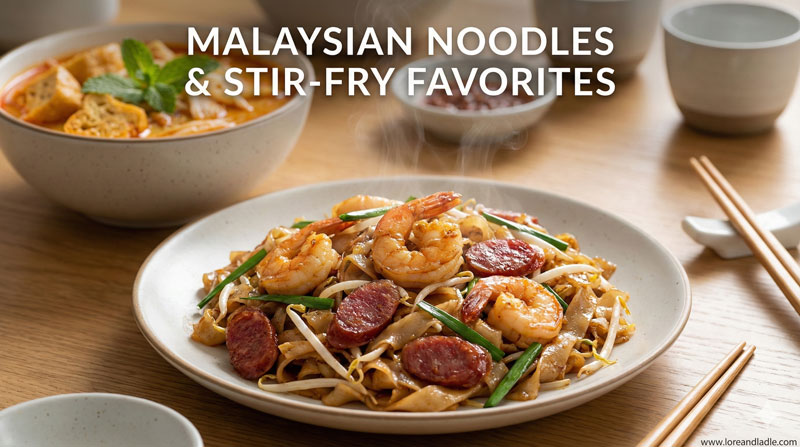
Step-by-Step Char Kway Teow for First-Time Malaysian Home Cooks invites you into a beloved kitchen ritual. This dish shines with cultural texture, simple ingredients, and a dynamic cooking method. It is a celebration of skill, timing, and the joy of sharing a hot plate of flavors with family and friends. You will feel the warmth of home in every bite as the noodles meet a quick, high-heat fry that creates depth and brightness together.
Why Char Kway Teow Matters
Char Kway Teow is more than a meal; it is a cultural touchstone on Malaysia’s dining table. It teaches balance: sweet and savory, soft noodles and crisp edges, bright herbs and smoky aroma. The dish highlights the essence of wok technique, where speed and precision unlock a lively, layered flavor. When cooks pair noodles with a small chorus of ingredients—eggs, seafood, chives, and a touch of chili—the result is a dish that travels from street stalls to family kitchens with ease. Its appeal lies in accessibility, community, and the confident smile a well-made plate brings.
Core Elements of the Dish
- Flat rice noodles (kway teow), tender yet resilient
- Eggs, swirled into the sizzling wok
- Savory sauces: a combination of light soy and dark soy for color and depth
- Fresh herbs: garlic chives or green onions for a fragrant finish
- Optional ingredients: cockles, shrimp or small prawns, bean sprouts for crunch
- A touch of heat and brightness: chili paste or sambal and a squeeze of lime
- Cooking fat and a very hot wok to produce a smoky aroma
These elements come together quickly, rewarding careful preparation and confident technique. The beauty lies in how simple items become bold with the right pace and heat.
Tools and Ingredients for First-Time Cooks
- A well-seasoned wok or a sturdy skillet
- A long spatula or tongs for fast tossing
- A sharp knife and a stable cutting board
- Flat rice noodles, eggs, and the option of light and dark soy sauces
- Fresh chives or garlic chives, bean sprouts, and a small amount of chili paste
- Optional seafood or ingredients you enjoy
- A small bowl for sauces and a separate plate for ready-to-add items
Preparing ingredients before you start keeps the cooking flow smooth. This readiness supports the dish’s quick, confident fry.
Step-by-Step Guide for Home Cooks
Step 1: Set up and prep. Soak or loosen the noodles as needed, beat the eggs, and have all ingredients sliced and ready. This speeds the stir-fry and helps you stay in control of the timing.
Step 2: Heat to the right level. Place the wok on high heat until it smokes lightly. Add a thin coat of oil and swirl to coat the surface.
Step 3: Build aroma. If you use chili paste, add it now and fry briefly to release its fragrance. This begins the signature bite of Char Kway Teow.
Step 4: Add the noodles with sauces. Slide in the noodles, and pour in light and dark soy sauces. Toss quickly to coat without breaking the strands. The noodles should pick up color and shine.
Step 5: Create the omelet pocket. Push the noodles to one side, scramble the beaten eggs on the exposed wok surface, then mix them through the noodles as they cook. This creates a light, airy texture within the dish.
Step 6: Fold in additions. Add any cooked shrimp, cockles, or greens. Stir-fry just until the seafood or vegetables are warmed and coated with the sauce, keeping texture intact.
Step 7: Finish with freshness. Toss in bean sprouts and chopped chives. A final quick stir blends the bright greens with the glossy noodles.
Step 8: Taste and adjust. A touch more soy, a hint of salt, or a squeeze of lime can tailor the plate to your preference. Serve hot.
Techniques That Elevate Flavor
- Work in batches if your pan is crowded; maintaining space helps the noodles fry rather than steam.
- Keep the wok hot; the sizzling scent is the heart of the dish.
- Stir-fry quickly and confidently to preserve texture and color.
- Balance is key: a little chili, a little sweetness, and the right amount of salt brings harmony.
Cultural Significance in Malaysian Homes
Char Kway Teow embodies the spirit of Home Cooking in Malaysia. It is a dish families learn together, passing a practical yet sophisticated technique from one generation to the next. The flavors tell a story of local ingredients meeting quick, skilled heat, producing a plate that invites conversation and shared enjoyment. Preparing this dish together often becomes a little ceremony—preparing ingredients, coordinating the steps, and savoring the moment when the noodles hit the plate. It demonstrates that food can be a simple, joyful art form, accessible to first-time cooks and seasoned hosts alike.
Serving, Pairings, and Shared Moments
Serve Char Kway Teow hot, straight from the wok. Offer a small bowl of lime wedges and extra chili paste for those who like a zesty finish. Fresh herbs provide a crisp aroma that brightens the plate. This dish shines as a centerpiece of family meals or casual gatherings, encouraging conversation about flavor, technique, and personal twists on the recipe. The act of cooking and sharing builds a welcoming atmosphere where everyone feels included.
Final Thoughts
Step-by-Step Char Kway Teow for First-Time Malaysian Home Cooks invites you to discover a dish that is both technically rewarding and deeply comforting. With careful preparation, high heat, and a respectful nod to traditional flavors, you can create a plate that honors cultural craft and culinary joy. Enjoy the process, relish the aroma, and celebrate the beauty of Malaysian home cooking in your own kitchen.