
Introduction: A Noodle Story Capturing Taste and Craft
Char Kway Teow That’s Winning Over Foodies Across the U.S. celebrates a dish with a clear voice: noodles that carry a story of technique, balance, and shared joy. This post focuses on the cultural value and culinary significance of the dish as it appears in kitchens and eateries from coast to coast. The dish invites curiosity, rewards patience, and honors the craft of high-heat cooking. It is a prime example of how a simple plate of noodles can become a window into a culture’s love of flavor, texture, and timing.
The Craft: Core Techniques and Honest Ingredients
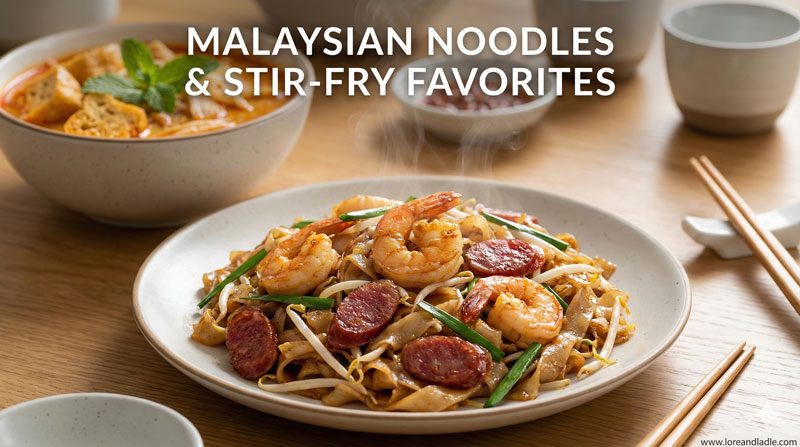
The heart of Char Kway Teow lies in technique as much as in ingredients. A very hot wok is essential. The flame kisses the surface, giving the noodles a quick, smoky sear known as wok hei. Quick movements matter: the cook tosses, folds, and then rests the noodles just long enough to develop color without turning soft. The key ingredients stay recognizable: flat rice noodles, garlic, eggs, shrimp, Chinese sausage, and bean sprouts. A little bit of soy sauce—both dark and light—adds depth and sheen. Some cooks reach for cockles or chives for a bright finish; others tailor the protein to what’s available. Across the U.S., many kitchens adapt by using locally sourced seafood or vegetarian proteins, while keeping the essential balance of sweet, salty, and savory notes.
What makes this dish culturally rich is not only the flavors but the shared approach to cooking. It relies on speed, precision, and an eye for the noodle’s edge. The knife cuts are minimal; the wok does the talking. The result is a plate where every component supports the next: roasted aroma from the wok, the bounce of the noodles, the tenderness of the shrimp, and a lively counterpoint from vegetables and herbs.
Flavor, Texture, and Balance: A Food lover’s Harmony
Char Kway Teow offers a layered chorus of textures. The noodles are chewy, with slight caramelization from the high heat. Egg binds the dish softly, creating gentle silk that mingles with the sauce. Shrimp or sausage add bursts of savoriness, while bean sprouts contribute a crunchy lift. The sauce—savory and slightly sweet—binds the components without overpowering them. Some versions introduce a touch of chili or lime for brightness, inviting the palate to move with fresh zing.
This balance is a testament to culinary sensibility. The dish teaches restraint: enough sauce to gloss the noodles, enough heat to coax a smoky note, enough time to keep textures intact. The result is comforting yet lively, familiar yet capable of surprising a new audience. In American dining scenes, this harmony translates into a dish that can stand alone as a meal and still pair gracefully with simple sides or drinks. The sensory appeal—aroma, color, and texture—helps it travel from a kitchen to a dining table with ease.
Cultural Value Across the U.S.: A Bridge Through Flavor
Char Kway Teow’s presence in U.S. food venues highlights its cultural value as a bridge between flavors and cooking traditions. In restaurants and pop-up stalls across the country, the dish introduces diners to a method that values speed, scent, and the craft of stir-frying. It becomes a shared language—one plate that invites conversation about ingredients, techniques, and regional adaptations.
This dish also shows how culinary practice travels. Chefs bring home-made or restaurant-style versions that respect the original technique while reflecting local ingredients. Home Cooks experiment with available seafood, mushrooms, or plant-based proteins, preserving the dish’s core identity while embracing the pantry in front of them. In tasting rooms and food markets, Char Kway Teow offers a lively reminder that good food travels well when its technique is clear and its flavors are bright and honest. The result is a dish that resonates with both memory and discovery, inviting diners to savor the moment and learn something new about Southeast Asian-inspired cooking.
Regional Interpretations: A Tapestry of Local Flavor
Across the United States, you’ll find Char Kway Teow interpreted to suit regional tastes and seasonal ingredients. In coastal areas, cooks might spotlight shrimp and clams, layering seafood sweetness with the noodle’s char. Inland menus may emphasize hearty proteins like sausage or tofu, balancing meatiness with a crisp bean sprouts contrast. In university towns and big cities alike, chefs may experiment with herbal hints, citrus zest, or a touch of sweetness from palm sugar to tailor the dish to local palates.
What stays constant is reverence for the wok’s heat and the momentary choreography of adding ingredients. The dish invites cooks to observe color, aroma, and texture together. This shared practice creates a sense of connection—an understanding that a plate can carry tradition while welcoming change. Such flexibility showcases how the dish fits into diverse food cultures while preserving its core technique and spirit.
Serving Context and Pairings: How to Present Char Kway Teow
Char Kway Teow is most effective when presented as a focal dish—bright, fragrant, and generous. It pairs well with simple accompaniments that let the noodles shine. A squeeze of lime, a small dish of chili sauce, and a handful of fried shallots can elevate the plate without overpowering it. Fresh herbs or scallions add a crisp finish. In many settings, it’s served as a main course or shared as part of a larger tasting spread, where its aroma can draw others toward the wok or kitchen stove.
As a cultural dish, its presentation matters. A bright plate, a clean work surface, and a careful drizzle of sauce emphasize the dish’s care and craft. This attention to plating reinforces its status as a beloved, everyday dish that also makes a strong impression in more refined restaurant settings.
The Future of Char Kway Teow in American Food Culture
Looking ahead, Char Kway Teow can continue to inspire cooks and diners alike. Its technique invites experimentation with sustainable seafood, plant-based proteins, and locally sourced produce. Vegetarian or vegan versions can use mushrooms or firm tofu to replicate the texture and savor the essence of the dish. The core concept—the fast, hot stir-fry that creates a smoky, flavorful plate—remains intact and adaptable.
This dish also offers an accessible way to explore Southeast Asian flavors without leaving home. Demonstrations, Home Cooking classes, and chef-led tastings can help more people understand the balance of heat, texture, and seasoning that makes Char Kway Teow so appealing. In a dining landscape that values craft and provenance, Char Kway Teow stands as a flavorful ambassador of technique, color, and community around the table.
Conclusion: A Meal That Honors Craft and Culture
Char Kway Teow That’s Winning Over Foodies Across the U.S. invites readers to appreciate the dish for its cultural value and culinary significance. It is a celebration of technique, timing, and texture—how a simple plate of noodles can carry a world of flavor. Whether enjoyed in a bustling kitchen, a quiet home dining room, or a busy restaurant, Char Kway Teow offers warmth, curiosity, and connection. It invites us to savor the moment, respect the craft, and explore the many delicious expressions of this beloved dish across the United States.