
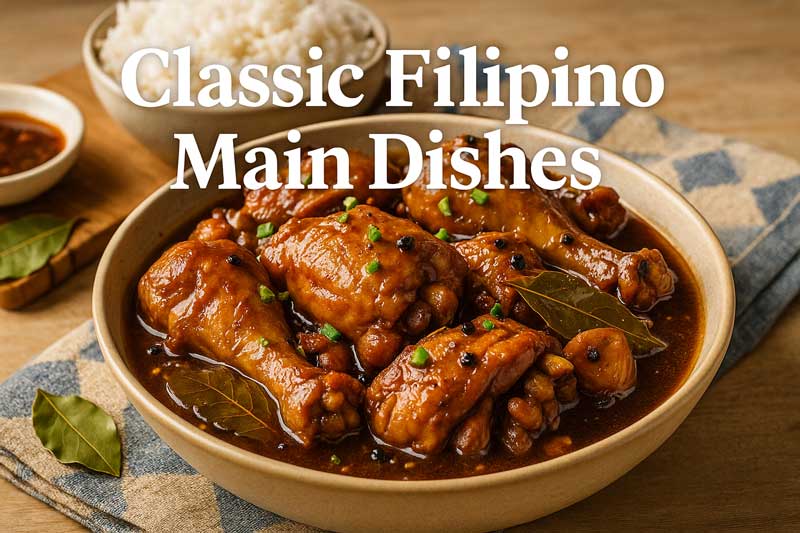
Why Chicken Adobo Is a Must-Try Filipino Dish for U.S. home cooks
Why Chicken Adobo Is a Must-Try Filipino Dish for U.S. home cooks greets readers with a warm promise: a humble pot, simple ingredients, and a dish that feels both familiar and new. This is food that travels well from a weekday kitchen to a weekend gathering. It invites steady breathing, thoughtful ingredients, and a gentle patience as flavors deepen. For many home cooks in the United States, adobo offers a doorway into Filipino cooking that is accessible, comforting, and endlessly flexible. The dish rewards attention without demanding it. It blends sour, salty, and savory notes into a cohesive whole that pairs beautifully with rice and simple sides.
In this post, we explore why Chicken Adobo Is a Must-Try Filipino Dish for U.S. home cooks and how you can embrace it in your kitchen. We will look at the flavor, texture, and key characteristics that set adobo apart. We will also suggest high-level recipe ideas that keep the core spirit intact while letting you adapt to your pantry and schedule. This is not a long list of strict rules. It is a gentle invitation to experiment, to savor, and to share a meal that carries a clear sense of home and heart.
At its core, Why Chicken Adobo Is a Must-Try Filipino Dish for U.S. home cooks is a dish built on balance. The plate tells a story of contrasts: brightness and depth, firmness and tenderness, speed and patience. The name adobo comes from a method of preservation and flavor development that centers on braising chicken in a seasoned liquid. The result is a sauce that clings to rice, a savoriness that lingers, and meat that remains juicy and soft. The dish sings with garlic, vinegar, soy, and a touch of sweetness. It feels both everyday and special, a dish that can anchor a weeknight dinner or shine at a casual gathering.
This article invites you to meet chicken adobo with curiosity, not obligation. It highlights the beauty of simple ingredients working in harmony. It celebrates how a pantry staple like garlic and soy can open a window into a new tradition. It respects the dignity of home cooking, where careful flavor choices, not fancy equipment, do the heavy lifting. You will find high-level ideas you can adapt—no detailed, step-by-step instructions here. The focus remains on flavor, texture, occasions, and the shared joy of a meal prepared with care.
What is Chicken Adobo? A quick overview
Chicken Adobo is a dish born from a straightforward idea: simmer chicken in a seasoned liquid until it becomes tender and nourishes the kitchen with aroma. The name adobo refers to the cooking style that blends salty, sour, and savory flavors. In practice, this dish often features chicken thighs or drumsticks, garlic, bay leaves, peppercorns, soy sauce, and vinegar as the core elements. Some cooks add a touch of sugar for balance, others include onions, potatoes, or coconut milk for a richer twist. The sauce reduces to coat the meat and to mingle with rice on the plate.
What makes Chicken Adobo a powerful choice for U.S. home cooks is its adaptability. You can use what you have on hand, adjust the saltiness to taste, and tailor the aroma with herbs and optional ingredients. The dish remains recognizably adobo regardless of small changes. A familiar kitchen pantry becomes the starting point for something new, something comforting, something distinctly Filipino.
Flavor profile: balance of bright and deep
Why Chicken Adobo Is a Must-Try Filipino Dish for U.S. home cooks translates into a flavor experience that feels both bright and deep. The vinegar brings a clean brightness that lifts the dish. Garlic adds warmth and bite, while soy sauce provides a gentle umami backbone. A hint of sugar can soften acidity and round the finish. Bay leaves contribute a resinous note, and peppercorns offer a persistent, peppery finish. In some versions, coconut milk adds creamy richness, while in others, the sauce remains lean and glossy. Each bite presents a gentle harmony of sour, salty, and savory flavors.
The aroma is inviting. Garlic browns slightly in the pot, releasing nutty perfume. The sauce thickens as it simmers, turning glossy and substantial. The balance is important: not too sour, not too salty, with a comforting depth that feels earned through slow, steady cooking. For the home cook in the U.S., you can tune the flavor to your preferences. A touch more vinegar for brightness is easy to adjust; a touch more sugar for comfort is equally flexible. The result remains vivid and satisfying without shouting.
Texture and mouthfeel: tender meat with a glossy finish
Texture is a key characteristic of Why Chicken Adobo Is a Must-Try Filipino Dish for U.S. home cooks. The chicken should be tender, yielding under a fork but still holding its shape. The braising method leaves the meat moist and juicy, not dry. The sauce coats each piece, creating a glossy, almost lacquered finish on the skin or surface of the meat. This glaze clings to rice and vegetables, creating a cohesive bite. When onions are added, they soften and merge with the sauce, adding a subtle sweetness and a slight bite.
The sauce itself has body without heaviness. It reduces to a silky glaze that thickens just enough to cling to the meat. The texture complements steamed or fluffy rice, creating a satisfying mouthfeel that many home cooks associate with comfort food. The simplicity of texture—tender meat, smooth sauce, and a clean starch—lets the flavors take center stage.
Key ingredients and high-level method
Why Chicken Adobo Is a Must-Try Filipino Dish for U.S. home cooks relies on a few key players. Core ingredients typically include chicken, garlic, vinegar, soy sauce, bay leaves, and peppercorns. Some recipes call for onions, a touch of sugar, or coconut milk for a richer version. The high-level method centers on marinating or soaking the chicken briefly in aromatics, then braising in a seasoned liquid until tender. The result is a sauce that deepens in flavor as it cooks, becoming both bright and comforting at the same time.
In a home kitchen, you can use chicken thighs for tenderness or chicken breasts for a lighter texture. The choice affects cook time and the final mouthfeel, but both varieties work well with the adobo method. The sauce can be adjusted for saltiness by varying the amount of soy or salt added. If you omit a traditional ingredient, you can substitute another with a similar role—without losing the overall balance. The high-level concept remains the same: a fragrant, savory, slightly tangy braise that returns generous sauce with every serving.
Occasions to cook adobo: everyday and celebrations
Why Chicken Adobo Is a Must-Try Filipino Dish for U.S. home cooks fits many moments. It works as a reliable weeknight dish because it can be prepared in stages and kept warm while you finish other tasks. It also suits weekend meals when you want to share a comforting, satisfying plate with family or friends. The dish scales well for larger gatherings, and its flavors appeal broadly. It pairs with a range of side dishes, from simple steamed greens to bright cucumber salads, and with rice, it forms a complete, balanced meal.
Adobo can be part of a casual lunch, a casual dinner, or a special weekend menu. The scent of garlic and vinegar can fill the kitchen, inviting people to gather around the table. The dish invites stories and memories, thanks to its universal appeal and approachable ingredients. It is a dish that adapts to the moment, the preferences of your household, and the seasons of produce available.
Regional twists and modern ideas
Across the Philippines, adobo evolves with regional ingredients and family traditions. Some cooks use coconut milk to create a creamy version, while others keep the sauce lean and bright. Potatoes or hard-boiled eggs can be added for texture and heartiness. A modern twist in U.S. kitchens might involve using alternative vinegars, like apple cider vinegar, for a softer tang, or adding a splash of citrus for a fresh finish. Mushrooms, bell peppers, or green beans can join the pot for more texture and color. These variations honor the core idea of adobo while offering fresh, playful options for the home cook.
For U.S. home cooks exploring new flavors, adobo becomes a bridge to broader Southeast Asian flavors. The dish can be a stepping stone to other savory braises that use soy, garlic, and sour notes. It remains grounded in the familiar technique of braising, which many home cooks already know. The result is a versatile, inviting meal that can evolve with your pantry and your preferences.
How to enjoy adobo: serving ideas and pairings
Why Chicken Adobo Is a Must-Try Filipino Dish for U.S. home cooks shines when you consider serving ideas. A simple bowl of rice is a perfect partner, soaking up the sauce and balancing the tang with starch. Add a light pickle or a crisp cucumber salad to contrast textures. A soft egg or a fried egg on top offers additional richness and a gentle richness to the plate. You can also pair adobo with a side of sautéed greens, such as spinach or bok choy, to add color and freshness.
If you want to dress up the presentation, garnish with fresh herbs like parsley or scallions. A squeeze of lime or calamansi can brighten the finish for those who enjoy citrus. Adobo keeps well, making it suitable for meal prep. The flavors often intensify after a night in the fridge, allowing you to enjoy even more depth on day two.
Accessible pantry and substitutions for U.S. home cooks
Why Chicken Adobo Is a Must-Try Filipino Dish for U.S. home cooks is particularly friendly to home pantries. The core ingredients are widely available in American grocery stores. If you cannot find a specific ingredient, you can make a thoughtful substitution. For example, you can use different vinegars to adjust brightness: white rice vinegar for a clean tang, or apple cider vinegar for a fruitier note. If you lack coconut milk, a splash of water with a touch of cream can mimic richness, though it changes the texture slightly. Soy sauce can be replaced with tamari for a gluten-free option, if needed.
Garlic is essential for fragrance, but if you are low, you can use a smaller amount and rely on the other aromatics to carry the flavor. Bay leaves and peppercorns are inexpensive and widely available. The dish welcomes improvisation, encouraging you to use what you have while preserving the overall balance.
The cultural value of adobo in the home kitchen
Why Chicken Adobo Is a Must-Try Filipino Dish for U.S. home cooks also reflects the power of a shared kitchen story. It is a dish that invites families to slow down, to savor the aroma, and to gather around a pot that carries a sense of home. The process is accessible, requiring only a few active steps and a patient simmer that yields rich flavor. In many homes, adobo becomes part of the weekly rhythm, offering comfort and reliability. It is a dish that families repeat, tweak, and enjoy across seasons, creating a thread of continuity through everyday life.
The beauty of adobo lies in its balance and its adaptability. It respects the limits of a busy kitchen while delivering a resonant, comforting result. It stands as a reminder that a good meal can arise from everyday ingredients, prepared with care and shared with others. The dish has a universal appeal, offering a moment of warmth and nourishment that feels genuine and welcome.
A closing note on Why Chicken Adobo Is a Must-Try Filipino Dish for U.S. home cooks
This post has explored Why Chicken Adobo Is a Must-Try Filipino Dish for U.S. home cooks and why it remains a beloved choice in many homes. The dish offers a clean, bright acidity, a savory core, and a forgiving, adaptable method. It gives cooks a sense of confidence in the kitchen while inviting experimentation. The result is a meal that is satisfying, accessible, and deeply comforting.
If you try adobo in your own kitchen, you may find that the dish grows in meaning with each cooking session. The careful balance of flavors and the tender texture of the chicken invite you to slow down and enjoy the moment. This is more than a recipe; it is a ritual of cooking that honors ingredients, technique, and the joy of sharing a homemade meal.
Conclusion: embracing adobo in your home kitchen
Why Chicken Adobo Is a Must-Try Filipino Dish for U.S. home cooks can be the start of a delicious journey. In your kitchen, it becomes a reliable, comforting option that welcomes friends and family with warmth. It offers flavor clarity, texture that satisfies, and a sense of culinary possibility. The dish shows how simple components can become extraordinary through patience, balance, and attention. It invites you to explore, adapt, and enjoy—a reminder that good food travels well, from a pot on the stove to a table filled with conversation and laughter. If you are seeking a dish that is flavorful, flexible, and friendly to home cooks, adobo stands ready to welcome you.