
Why Chicken Afritada Is a Must-Try Filipino Dish for U.S. home cooks
Beneath a bright, tomato-hued sauce, chicken meets familiar vegetables in a dish that feels both comforting and fresh. Why Chicken Afritada Is a Must-Try Filipino Dish for U.S. home cooks is not just about flavor; it is about a way of cooking that welcomes the kitchen to be the heart of the home. The dish is built around simple, everyday ingredients that come together with confidence. It is friendly to the palate of many home cooks and approachable to beginners and seasoned cooks alike. With a gentle balance of acidity, sweetness, and savoriness, it invites you to pause, taste, and adjust. As a result, Why Chicken Afritada Is a Must-Try Filipino Dish for U.S. home cooks becomes more than a meal. It becomes a little ritual of gathering around a pot of color and aroma.
In this article, you will discover the flavor, texture, and key characteristics of afritada. You will also read about occasions, traditional ways people enjoy it, and simple, high-level ideas to adapt the dish for a modern American kitchen. The goal is clear: to offer a friendly, practical introduction that helps U.S. home cooks feel confident trying afritada at Home. The dish welcomes everyone to the table with warmth and balance, and it pairs well with many sides and settings. Think of afritada as a bright canvas you can paint with your favorite vegetables, your preferred cut of chicken, and your pantry staples. Let’s begin with a concise portrait of what afritada is at its core.
A Quick Portrait of Afritada
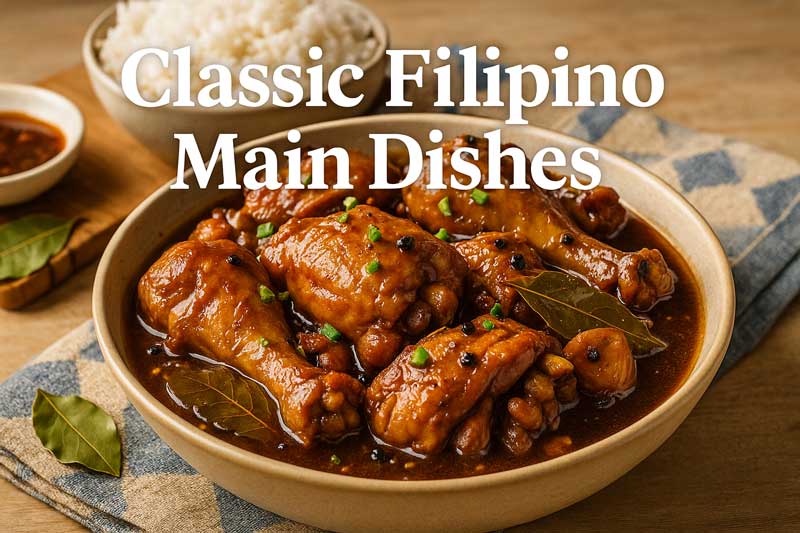
Afritada is a home-style Filipino dish built around a tomato-based sauce that braises meat and vegetables to tenderness. The table centerpiece is chicken, chosen for its lean, flavorful profile, though you can adapt with other proteins if you wish. The sauce is rich but not heavy, carried by tomato and aromatics rather than dairy. The vegetables often include potatoes and carrots for heartiness, and bell peppers for color and sweetness. Some cooks add peas or olives for extra pockets of flavor and texture. The dish is plated with rice, allowing the sauce to mingle with grains that soak up its brightness.
What makes afritada inviting for U.S. home cooks is its flexibility. You can tailor the vegetables to your market and your family’s preferences. You can use boneless thighs for juiciness or drumsticks for a traditional bite. You can lean into a bold tomato presence or mellow it with a touch of sweetness. Afritada also offers room to experiment with Pantry staples, turning common ingredients into a dish that feels special without demanding a long, complicated process. In short, afritada is a versatile, comforting dish that translates well from a Filipino kitchen to homes across the United States.
Flavor, Texture, and Balance
When you taste afritada, you meet a chorus of flavors. The tomato base provides tangy, bright notes that wake the palate. The sweetness of carrots and occasionally bell peppers adds balance, while onions and garlic offer aromatic depth. A touch of salty umami comes from fish sauce or a pinch of soy sauce, depending on the cook, helping to unify the sauce’s brightness with its savoriness. Bay leaves or other herb accents can lend a gentle perfume that lingers after the first bite.
Texture is a central thread in afritada. The chicken remains tender and meaty, mid-sized chunks that absorb the sauce without disintegrating. Potatoes and carrots soften through the simmer, offering satisfying bite and heartiness. Bell peppers stay tender-crisp, adding color and a fresh, subtle sweetness that contrasts the deeper meatiness of the dish. The sauce itself coats the vegetables and chicken, letting every bite taste of tomato and aromatics while remaining light enough to mingle with a bed of rice. This combination of textures—tender meat, soft vegetables, and a glossy, flavorful sauce—defines afritada’s inviting character.
The overall balance is key. The acidity from tomatoes is offset by gentle sweetness, while salt from seasonings brings the dish together without shouting. For many cooks, a splash of patis (fish sauce) or a dash of soy sauce adds depth without turning the dish heavy. A final adjustment might include a quick flavor check with pepper, a squeeze of citrus, or a delicate herb touch. The result is a well-rounded, comforting plate that still feels clean and bright.
Core Ingredients and High-Level Prep Ideas
At its heart, afritada uses a handful of dependable ingredients. The chicken is typically bone-in or boneless, cut into pieces that are easy to eat. A tomato-based sauce forms the backbone, created from canned tomato sauce or crushed tomatoes, sometimes with a bit of fresh tomato for brightness. Aromatics usually include garlic and onion, stirred into the sauce for depth. Potatoes and carrots provide substance, while bell peppers contribute color and a light sweetness. Some cooks add peas for a pop of green, olives for a tangy note, or a touch of sugar to balance the acidity. The dish often finishes with herbs like bay leaves and pepper, and a small amount of fish sauce or soy sauce for umami.
In high-level terms, you can imagine afritada in a few flexible steps. Start by browning the chicken to develop color and flavor. Create a rich base with tomatoes, aromatics, and a touch of stock or water. Introduce the potato and carrot chunks so they have time to become tender. As the sauce thickens, add bell peppers and any optional add-ins. Let the mixture simmer until the vegetables are tender and the flavors have mingled. Taste and adjust seasoning. Serve with hot, steamed rice to complete the plate.
If you want to tailor afritada to your pantry, consider these high-level ideas. Use a mix of fresh and canned tomatoes to adjust brightness and depth. Try different bell pepper colors for a fruitier note and a more vibrant look. For a lighter version, you can reduce the amount of oil and use a splash of stock instead of heavy additions. If you prefer a deeper flavor, add a small amount of umami boosters such as mushrooms or a bit more fish sauce. The core remains the same: a tomato-forward sauce, tender chicken, and a chorus of vegetables that bring color and texture.
Traditional Yet Flexible: How It Fits in a Busy Kitchen
Why Chicken Afritada Is a Must-Try Filipino Dish for U.S. home cooks often comes down to its balance of traditional charm and practical flexibility. The dish looks and feels like a meal that belongs on a family table. It aligns with common pantry items and fridge staples, which makes it approachable for cooks who want to get dinner on the table without a long shopping list. The base flavors can be achieved with a few common ingredients, and the vegetables can be adjusted to what’s seasonally available.
In a busy week, afritada can be scaled up for family meals or scaled down for quieter dinners. You can prepare a larger batch and refrigerate or freeze portions for future meals. The sauce often improves with time, letting the flavors meld as the dish rests. This makes afritada a practical option for households that like to prepare ahead. It also invites cooks to teach and learn together—young cooks can observe how aromatics lead to a sauce, and seasoned cooks can guide others through the steps in a simple, relaxed way. The dish’s flexibility makes it a reliable choice for weeknights and weekend cooking alike.
Why Chicken Afritada Is a Must-Try Filipino Dish for U.S. home cooks fits particularly well with rice-centric meals. When you serve it with white jasmine, long-grain, or brown rice, the sauce can cling to each grain, creating a satisfying bite. The meal remains light enough to enjoy after a busy day, yet it carries a sense of care that makes it feel special. The dish can be prepared in a standard home kitchen using common pots and pans, and it does not require studio-level technique to shine. In short, its approachable nature invites cooks to experiment with confidence.
Occasions and Traditions
Afritada has a place in everyday meals as well as special gatherings. It often appears on family tables during weekends when people have more time to gather and enjoy a longer, leisurely meal. The dish also suits celebrations of all sizes, from intimate dinners to bigger get-togethers, because its color and aroma help set a festive mood. Its bright tomato sauce, warm chicken, and colorful vegetables create a visually inviting plate that feels celebratory without being heavy.
Even in a casual setting, afritada carries a sense of hospitality. It signals that the cook has taken care to choose fresh ingredients, to balance flavors, and to present a complete, nourishing dish. The aroma can welcome guests at the door and guide conversations around the table. In this way, Why Chicken Afritada Is a Must-Try Filipino Dish for U.S. home cooks speaks to an everyday sense of warmth and welcome that is central to many home kitchens.
Families often adapt the dish to seasonal ingredients or regional preferences. For example, spring peppers can replace traditional ones, or you can swap in different root vegetables if they are available. The essence remains the same: a bright, comforting main with generous vegetables that pair beautifully with rice. This adaptability makes afritada a dish that can carry family memories into new kitchens in the United States, while staying true to its simple, friendly roots.
Ways People Enjoy It
People enjoy afritada in a range of settings and with a spectrum of accompaniments. The most common pairing is rice, which serves as a neutral backdrop that soaks up the sauce and highlights the dish’s brightness. Some households complement afritada with a light salad or quick pickles to add a crisp, acidic counterpoint. Bread is less common as a staple in Filipino meals, but a crusty loaf can be a nice option for sopping up the sauce when rice isn’t preferred.
In many homes, afritada is plated family-style, with generous portions in a single pot or pan. This approach emphasizes sharing and togetherness, making it a social event as much as a meal. Some cooks prefer to present the dish with the peppers visible on top, creating a colorful, inviting presentation that signals a meal with care. For those who enjoy a little extra brightness, a squeeze of lemon or lime just before serving can lift the flavors and provide a fresh finish.
If you like a touch of texture variety, you can add a final sprinkle of fresh herbs or a handful of chopped scallions. These small touches keep the dish feeling lively and current while maintaining its traditional feel. The flexibility to adjust the sauce thickness, sweetness, or saltiness means you can tailor afritada to different tastes without straying from the dish’s core character.
A Simple, High-Level Recipe Roadmap
To imagine a high-level path for making afritada at home, think in stages rather than a precise sequence. First, brown chicken pieces to develop color and deepen flavor. Then, build a tomato-forward base with aromatics—garlic and onion—plus a stock or water element to create a gentle simmering sauce. Next, add heartier vegetables such as potatoes and carrots to the pot so they begin to soften and mingle with the sauce. As the dish comes together, fold in peppers and any optional add-ins like peas or olives. Let the mixture simmer until the vegetables are tender and the flavors harmonize. Finally, taste and adjust with salt, pepper, and a small amount of fish sauce or soy sauce if you desire a deeper umami note. Serve hot with steamed rice for a complete plate.
If you want to simplify, you can prepare the dish in a single pot, using a balanced tomato base and a straightforward sequence of ingredients. If you prefer a lighter version, you can lean more on tomatoes and stock and reduce added fats. If you enjoy sharper brightness, a splash of citrus near the end can lift the sauce. The key is to maintain the dish’s essential character—a tomato-driven, comforting combination of chicken and vegetables that comes together with patience and care.
Tips for Flavor, Texture, and Versatility
- Use chicken thighs for juiciness and flavor, or mix thighs with drumsticks for a classic bite.
- Keep potatoes and carrots chunk-sized so they cook evenly and present well on the plate.
- Peppers can be green, red, or yellow; choose colors that please your eye and offer balanced sweetness.
- For a more pronounced tomato flavor, simmer with a small amount of tomato paste or a touch of fresh tomato.
- If you like a deeper umami profile, add a small amount of fish sauce or soy sauce, then adjust salt at the end.
- Olive slices can bring a tangy bite that contrasts nicely with the rest of the dish.
- For a milder version, reduce onion and garlic slightly and lean on stock to carry the sauce.
- Leftovers often taste even better the next day as flavors meld; refrigerate or freeze for future meals.
Pairings, Substitutions, and Accessibility
Rice remains the natural partner for afritada, allowing the sauce to soak into the grains. If you want variety, try serving it with quinoa or a simple adapted pilaf that picks up the sauce’s brightness. A light cucumber salad or pickled papaya can provide a crisp contrast that refreshes the palate between bites. For substitutions, you can use boneless, skin-on chicken breasts if preferred, though they can be drier; consider using a mix of chicken parts to maintain moisture. A vegetarian twist could be made with firm tofu or vegetables in a tomato-based sauce, though the dish would depart from its traditional form. The key is to maintain the balance between bright tomato, savory chicken, and colorful vegetables.
The Cultural Value of Filipino Comfort Food
Filipino comfort foods, including afritada, carry a sense of home and hospitality. They speak to everyday life—shared meals, family conversations, and the simple joy of tasting something both familiar and luminous. Afritada stands out as a dish that invites experimentation without losing its core identity. It embodies a spirit of warmth that many cooks aim to bring to the table. The dish demonstrates how a handful of pantry staples can transform into something nourishing and satisfying. This value—comfort through thoughtful cooking—appears across many Filipino meals, and afritada is a clear, accessible example of it.
As you cook, you may notice how the ingredients come together with a natural rhythm. The aroma from sautéed onion and garlic meets the sweetness of carrots and peppers, then the acidity of tomatoes brightens the kitchen. The final touch is the moment you place the steaming bowl of rice beside the dish and see the smile that follows. That quiet happiness is the heart of Filipino food. Afritada invites both cooks and diners to slow down just enough to savor those moments.
Why It Stands Out Among Filipino Dishes
Afritada stands out for its balance and approachability. It uses a tomato-forward sauce that feels playful, not heavy, and it integrates vegetables in a way that feels natural rather than ceremonial. The dish offers a gentle richness without relying on heavy dairy or intense spice. It’s a practical way to bring a bright, savory profile to a table with everyday ingredients. The colors—from the deep sauce to the orange carrots and green peppers—make the dish visually appealing as well as flavorful. In addition, its flexibility makes it adaptable to different family preferences and regional tastes, allowing cooks to honor tradition while adding personal touches.
Closing Thoughts
Why Chicken Afritada Is a Must-Try Filipino Dish for U.S. home cooks is about more than flavor. It is a dish that invites experimentation, values balance, and centers the table around shared meals. It gives you a reliable, comforting option that can be as simple or as refined as you want. It suits a quiet weeknight dinner and also shines when you want to serve something a little brighter for guests. The dish shows how everyday ingredients can become a meaningful, flavorful experience when treated with care. If you are new to Filipino cooking, afritada provides an approachable entry point. If you are already familiar with these flavors, afritada offers a delicious way to celebrate them in a fresh, home-friendly form.
In summary, Why Chicken Afritada Is a Must-Try Filipino Dish for U.S. home cooks celebrates a dish that is colorful, comforting, and flexible. It brings together the bright tang of tomatoes, the warmth of chicken, and the heartiness of potatoes and carrots. It welcomes cooks to adapt, experiment, and make it their own while preserving its core charm. Whether you cook for family, friends, or a quiet evening at home, afritada offers a satisfying, balanced meal that speaks to the joy of cooking and sharing good food. Give it a try, and let the dish become a comforting staple in your kitchen—one that grows with you as you learn and explore.
If you’d like, I can help tailor a high-level version of the recipe to your pantry or dietary preferences, while keeping the flavor, texture, and character that make Why Chicken Afritada Is a Must-Try Filipino Dish for U.S. home cooks such a reliable and welcoming choice.