
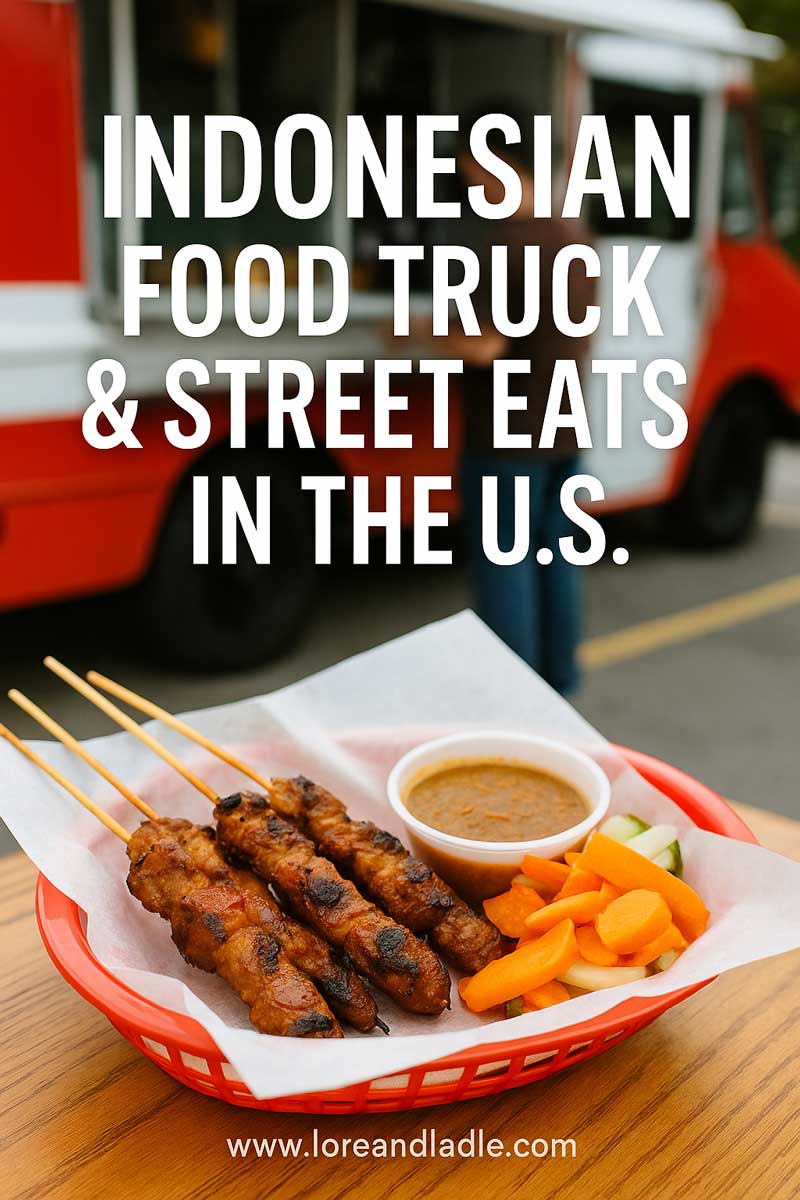
A Taste of Chicken Coconut Curry and Indonesian Food Truck & Street Eats in the U.S.
Chicken Coconut Curry is more than a dish. It is a living thread in Indonesian food culture carried proudly onto U.S. streets. In its simplest form, it blends creamy coconut milk with tender chicken and a chorus of spices. In practice, it becomes a warm, inviting memory for many fans who seek the bright, comforting notes of Home Cooking. This dish shines in the bustling setting of Indonesian food trucks and street carts, where scent and sight invite curious eaters to explore a familiar, festive cuisine.
The Core of the Dish: Key Ingredients and Techniques
The heart of the curry rests on balance. Coconut milk provides a silky base that carries the spice forward. Fresh aromatics such as garlic, shallots, and ginger contribute depth. Lemongrass and galangal lend a citrusy sharpness, while turmeric and coriander add warmth and color. Kaffir lime leaves bring a fragrant brightness. The chicken is browned to seal flavor, then simmered gently in the coconut bath until tender. This method yields a sauce that clings to rice and wraps every bite in aroma.
Flavor Logic: Balance of Sweet, Savory, and Spice
Indonesian curry is about harmony. The natural sweetness of coconut milk meets savory notes from the chicken and aromatics. A gentle heat rises from chili peppers, not to overwhelm but to lift the dish. A touch of salt and a whisper of palm sugar round out the profile. Some cooks finish with a squeeze of lime or a splash of tamarind for a slight tang. The result is a well-rounded sauce that explores sweet, sour, and spicy in equal measure.
The Craft on the Street: Cooking Techniques in Transit
In a food truck or street stall, efficiency and flavor work together. Spices are toasted to awaken their oils. Then they are blended with aromatics to form a bright paste. The curry simmers at a steady pace, allowing the coconut milk to thicken the sauce while the chicken releases its juices. Fresh herbs and a final stir bring the dish to life. The portable kitchen makes each plate a quick but careful culinary moment, preserving depth and freshness.
Indonesian Food Trucks in the U.S.: A Cultural Window
Food trucks and street eateries offer a lively stage for Indonesian flavors. The setup invites interaction, curiosity, and shared tasting. The aroma of curry, coconut, and spice travels down the block, drawing in neighbors and visitors alike. Each vendor often has its own twist, reflecting regional preferences and skill. The scene is a celebration of craft—precise knife work, careful simmering, and the pride that comes with serving a beloved dish on the go.
A Favorite Among Indonesian Food Fans in the U.S.
For Indonesian food fans in the U.S., Chicken Coconut Curry often feels both familiar and fresh. Fans appreciate the use of coconut milk, bright herbs, and a balanced chili note. They value authenticity in technique and ingredient choice, from the coconut-based sauce to the fragrant leaves and fresh lime finish. Yet they also welcome adaptation—ranging from milder heat to vegetarian options—because the essence remains a respectful tribute to Indonesian cooking.
Plate, People, and Place: Cultural Significance
This dish sits at the crossroads of home cooking and street cuisine. It embodies hospitality: a warm plate shared among friends, family, and colleagues. It invites conversation about ingredients, simmering times, and regional variations. The presentation—bright sauce, glossy chicken, and a bed of rice—highlights a pantry of pantry staples and a method that honors patient simmering as a culinary ritual. In this light, the dish is a touchstone of Indonesian food culture, expressed vividly in the U.S. urban landscape.
In Closing: A Dish That Travels and Teaches
Chicken Coconut Curry, together with Indonesian Food Truck & Street Eats in the U.S., stands as a flavorful ambassador. It teaches the beauty of a slow, thoughtful curry and the skill of layering sweetness, acidity, and spice. It invites food lovers to see how Indonesian techniques translate to street dining abroad. The result is not just a dish to savor, but a doorway to shared culinary appreciation, respectful curiosity, and joyful eating.