
Introduction
This post introduces Chicken Satay and Other Flavor-packed Indonesian Dishes Loved in America. It highlights how this cuisine carries cultural value and culinary significance. You will discover how skewered chicken, rich peanut sauce, and bright spice blends illuminate Indonesian taste traditions. The focus stays on craftsmanship, aroma, and the joy of sharing a meal. Read on to explore how these dishes enrich American dining with warmth, color, and memorable flavor.
Craft and Craftsmanship of Chicken Satay
Chicken Satay is built on careful technique and fresh ingredients. The chicken is cut into bite-sized pieces and marinated to deepen flavor. Common notes include turmeric for golden color, garlic, shallots, coriander, lemongrass, and a touch of coconut milk. The result is meat that stays tender and fragrant. Skewers keep the pieces evenly cooked and create a pleasing bite. The grilling itself is an art, with a steady heat that brings a smoky kiss while preserving juiciness.
Flavor and Technique: The Peanut Sauce and Grill
The peanut sauce, or bumbu kacang, is a centerpiece. It blends roasted peanuts with chili, palm sugar, tamarind, garlic, and soy sauce or kecap manis for sweetness and depth. The best sauces balance heat, sweetness, and a touch of tartness. Sometimes a splash of lime brightens the plate. The sauce invites dipping and mingling with the grilled chicken. Together, the skewered meat and its sauce show how Indonesian flavors layer in harmony, offering both comfort and excitement in every bite.
Cultural Value: Sharing, Hospitality, and Craft
Food in Indonesia often centers around sharing and warmth. Chicken Satay embodies hospitality through its presentation and approach to eating. Friends and family gather, pick up a skewer, and dip into a communal sauce bowl. The aroma travels across a room, inviting conversation and smiles. This practice reflects a culinary spirit that honors craft, patience, and attentiveness to detail. The dish also showcases balance—savory meat, nutty richness, and aromatic herbs—mirroring a broader cultural appreciation for harmony in meals.
The American Connection: Why It Resonates
In American kitchens and restaurants, Chicken Satay and its flavor companions resonate for several reasons. First, the skewered format makes it easy to Share and to serve at gatherings. Second, the creamy peanut sauce provides a familiar yet exciting contrast to grilled meat. Third, the dish offers clear, vibrant flavors that pair well with rice, vegetables, or simple salads. The result is a versatile introduction to Indonesian flavors that is approachable, memorable, and adaptable to different tastes.
Other Flavor-packed Indonesian Dishes Loved in America
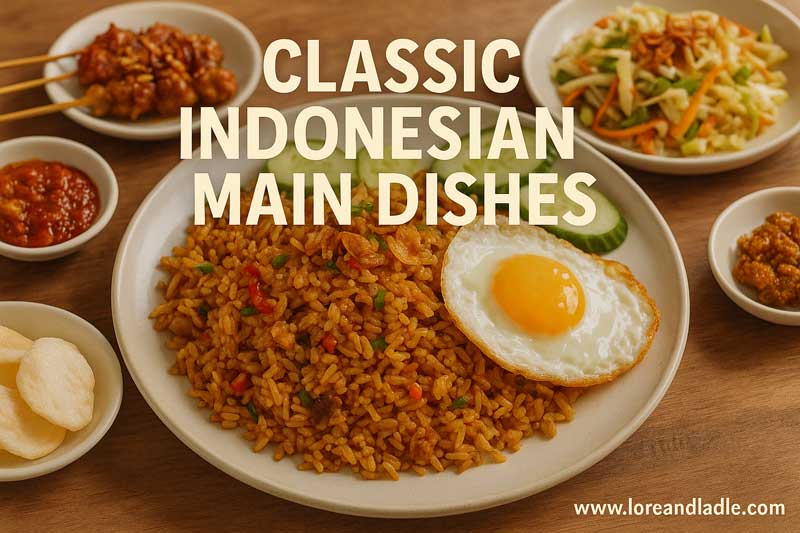
Beyond satay, several Indonesian dishes captivate American palates with bold, balanced profiles. Nasi goreng (fried rice) brings savory comfort and a hint of sweetness from kecap manis. Rendang offers tender, spiced meat with deep, slow-cooked flavors. Gado-gado combines vegetables with peanut sauce for a fresh, bright eating experience. Bakso, a comforting meatball soup, provides warmth and a gentle, satisfying bite. Each dish reflects a skillful blend of herbs, aromatics, and technique that makes Indonesian cuisine widely loved in America.
Home Kitchen Tips: Bringing Indonesia to Your Table
To capture the spirit of Chicken Satay and related dishes at Home, start with quality chicken thighs for juiciness. Marinate with garlic, turmeric, coriander, lemongrass, and coconut milk, then refrigerate for a few hours. Grill over medium heat until the outside is lightly charred and the inside remains moist. For the sauce, blend roasted peanuts with garlic, chili, palm sugar, tamarind, and a dash of soy sauce. Adjust sweetness and tang to taste. Serve with cucumber slices, onion wedges, and warm rice or lontong for an authentic touch. Pair with a refreshing drink to cleanse the palate between bites.
Conclusion
Chicken Satay and Other Flavor-packed Indonesian Dishes Loved in America offer a vivid glimpse into Indonesian food culture and culinary artistry. The dishes celebrate skillful marination, precise grilling, and the joyful act of sharing a meal. They greet American diners with bold, harmonious flavors and a sense of hospitality that feels welcoming and timeless. By exploring these flavors, you invite a beautiful cultural conversation centered on food, family, and connection through taste.