
Best Recipes for Chuchvara – Uzbekistani Rice & Pilaf Specialties Flavor You’ll Love
Welcome to a flavorful voyage into Chuchvara, a beloved dish from Uzbek kitchens. This post highlights its cultural value and culinary significance, with a focus on how rice and pilaf play a harmonious role in the meal. You will discover why families gather to make these dumplings, how the flavors reflect Uzbek hospitality, and How to savor the dish in everyday cooking and celebrations alike.
The Cultural Value of Chuchvara
Chuchvara embodies warmth, sharing, and careful craft. In Uzbek homes, dumpling-making is a social activity that unites generations. Grandparents teach younger cooks, and friends lend hands in rhythm with the rolling pin and filling spoon. The act itself is a gentle ritual that signals welcome and togetherness. The dish often graces special occasions and weekly family meals, reinforcing gratitude for harvest, harvest-time foods, and the goodwill of neighbors who share bowls of broth and dumplings. In short, chuchvara is more than food; it is a warm invitation to pause, talk, and connect.
The Culinary Significance of This Dumpling
Chuchvara showcases balance and technique. The dough remains tender yet sturdy enough to cradle a savory filling. The filling blends ground meat, onion, salt, and pepper, creating a depth that shines when steamed or boiled. Cooking methods vary, but the essence stays constant: careful shaping, precise sealing, and clear broth or sauce that carries the dumplings’ flavor. This harmony with broth, herbs, and occasionally rice or pilaf adds a comforting, cohesive bite that echoes the broader Uzbek love of well-rounded meals.
The Craft: Dough, Filling, and Shape
The dough is the quiet hero. Flour, water, and a pinch of salt are kneaded until the dough reaches a soft elasticity. After resting, small rounds are rolled thin. The filling is chopped meat mixed with onions and seasonings, then spooned into each wrapper. The dumplings are pleated or pinched closed with care, so the juices stay inside during cooking. Finally, they simmer in a light broth or are gently fried for a contrasting texture. The result is a pocket of savory warmth that pairs beautifully with rice and pilaf.
Rice and Pilaf: The Culinary Backbone
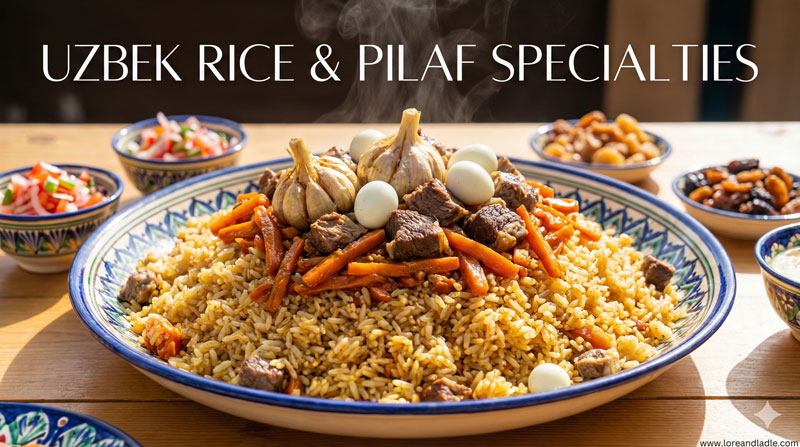
Rice and pilaf form a complementary stage for chuchvara. Uzbek pilaf (plov) brings carrots, garlic, cumin, and fragrant oils into the spotlight, offering a sweet-savory counterpoint to the dumplings. The rice grains absorb the broth and spice, creating a unified plate where every bite feels intentional. Together, chuchvara and pilaf demonstrate how rice acts as a stage for other flavors, while the dumplings provide comfort and texture. This culinary pairing is a signature of Uzbek meal planning—simple ingredients, precise technique, rich, satisfying results.
Regional Inspirations Within Uzbekistan
Across Uzbekistan, you’ll notice subtle regional touches. In some regions, chuchvara are smaller, made with lighter fillings or flavored with fresh herbs. Other areas favor slightly thicker wrappers for a heartier bite. The accompanying broth may feature more herbs or a touch of pepper, adjusting the heat and aroma to local tastes. Yet the core tradition remains intact: skilled folding, careful cooking, and a satisfying interaction between dumplings, rice, and spices. These regional variations enrich the dish without changing its essential spirit.
Serving Traditions and Flavor Pairings
Serve chuchvara hot, with a clear, flavorful broth on the side or poured over the dumplings. Fresh dill, cilantro, or flat-leaf parsley adds brightness. A dollop of yogurt or a light pepper sauce can brighten the plate when desired. Plov or steamed rice acts as the heart of the meal, while the dumplings offer a comforting, savory counterpoint. The aroma of cumin, coriander, and garlic invites the senses, making every plate feel like a welcome ceremony.
Practical Tips for Home Cooks
To bring these traditions into your kitchen, start with quality dough and filling. Use fresh ground meat, finely chopped onions, and a pinch of salt. Let the dough rest to relax the gluten, then roll very thin. Seal each dumpling tightly to keep the filling secure during cooking. Boil in a clear broth or steam for a lighter finish. Serve with a simple herb garnish and a side of plov or rice. If you have time, you can freeze some prepared dumplings for future meals, preserving the craft for another day.
A Gentle Conclusion: Celebrating Food and Culture
Chuchvara, with its rice and pilaf companions, offers more than taste. It provides a doorway to shared meals and enduring customs. The dish invites you to slow down, observe the craft, and enjoy the company at the table. Through technique, tradition, and a thoughtful balance of flavors, Chuchvara and Uzbek pilaf remind us why food can feel like a warm welcome, a celebration, and a lasting part of daily life. May your kitchen become a small celebration of culture, hospitality, and good taste.