
Why classic cheese and bean pupusas Is Winning Over U.S. Foodies
This simple dish speaks with warmth and clarity. The cheese and bean pupusa balances comfort with craft. It invites curiosity and rewards patient, careful making. Food lovers in the United States are discovering not just a snack, but a small, complete meal that respects technique and taste. The appeal grows from the way each bite blends soft filling with a crisp-edged crust. It feels intimate, yet it travels well—from home kitchens to busy markets and bright pop-up spaces.
The core of the dish: masa, cheese, and beans
The foundation is masa dough—corn flour mixed with water and a touch of salt. This creates a pliable, forgiving shell. The filling pairs melted cheese with smooth, seasoned beans. The result is a creamy center that contrasts with the dough’s gentle bite. When these two elements come together, they form a compact pocket of heat and comfort. The simplicity of the ingredients keeps the flavors bright and clear.
Craft and technique: hand shaping and cooking
Craft shines in the shaping. The dough is divided into small balls, then pressed flat. A spoonful of cheese and beans waits at the center, and the edges seal around it. The pupusa is rolled or pressed again to a uniform circle. Cooking happens on a hot, dry griddle or comal until the outside sits crisp and lightly browned, while steam-softened cheese keeps the center soft. The skill is in even sealing, steady heat, and patient turning. The result feels deliberate and refined.
Texture and balance: melting cheese and creamy beans in harmony
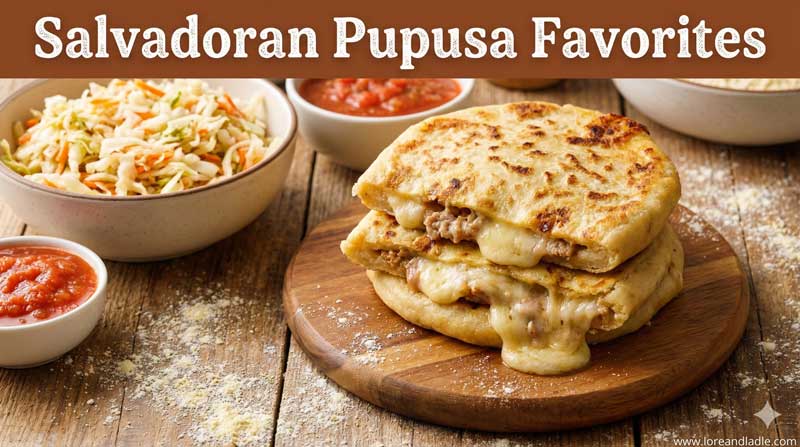
Each bite offers a gentle, almost creamy center. The beans provide depth and earthiness; the cheese adds a mild, salty smoothness. The masa crust offers a light bite and a subtle corn aroma. Together, they create a harmony that is at once comforting and satisfying. The balance—soft interior, crisp exterior, and a warm filling—delights the palate and invites another bite.
Cultural value in everyday life
Pupusas are more than food; they are a daily rite for many cooks. In markets and home kitchens, the process teaches patience and care. Families assemble dough, fill, and cook as a shared activity. The dish becomes a quiet thread that ties meals to memory and skill. The straightforward beauty of cheese and beans makes it approachable for beginners, yet it rewards technique and practice for seasoned cooks. This accessibility helps it travel from neighborhood vendors to modern cafes while preserving its character.
Serving traditions and pairings
Traditionally, pupusas are served hot with curtido—a bright, tangy cabbage slaw with vinegar, herbs, and a subtle bite. A spoonful of salsa roja nearby adds a fresh, fruity heat. When enjoyed together, curtido and salsa elevate the simple filling without overpowering it. A cup of strong coffee or a light, crisp beverage can complete the moment, especially in morning or midday settings.
Variations and regional twists
While classic cheese and bean pupusas anchor the dish, many cooks explore subtle twists. Some add a second note with milder cheeses or a touch of garlic. Others try revuelta, which blends cheese and beans with other fillings for extra richness. Loroco, a fragrant herb, appears in some fillings for a distinctive floral lift. These variations celebrate creativity while keeping the essential balance that makes pupusas appealing.
A bridge between kitchens
Today, home cooks across the United States embrace pupusas with enthusiasm. Small restaurants, pop-up stalls, and family kitchens showcase the dish with thoughtful masa, fresh cheese, and careful technique. The result is a bridge between familiar comfort and new culinary curiosity. This is how a humble masa pocket earns a place on diverse menus and in everyday meals.
If you are exploring new flavors, the classic cheese and bean pupusa offers a clear, inviting entry point. It celebrates the beauty of simple ingredients carefully prepared, and it signals how tradition can flourish in contemporary kitchens.