
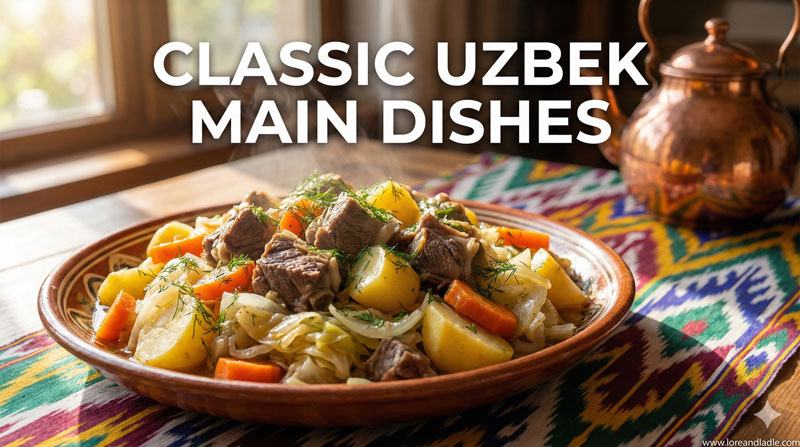
Classic Chuchvara – Classic Uzbekistani Main Dishes Flavor You’ll Love
Classic Chuchvara is more than a plate of dumplings. It is a vivid thread in the fabric of Uzbek cuisine, weaving together technique, memory, and shared meals. This humble dish carries a strong sense of place and purpose, inviting us to slow down and savor careful touch, warm aromas, and joyful conversation around the table.
A Window into Uzbek Hospitality
Chuchvara embodies hospitality the Uzbek way. Hosts welcome guests with steaming bowls and a platter of delicate dumplings, each bite signaling generosity and care. The process of making chuchvara becomes a group activity, where family members and friends gather to mix, roll, fill, and seal. In this space, food becomes conversation, laughter, and a daily ritual that bonds generations. The dish thus stands as a symbol of warmth and welcome, offering a tangible gesture of kindness in every plate.
The Craft Behind the Dumplings
The charm of chuchvara lies in its craft. The dough rests softly in the hands, rolling to a thin, elastic sheet that carries the filling without tearing. The filling blends ground meat with onions, pepper, and herbs to create a fragrant center that cooks evenly inside a light pocket. Pleating each wrapper showcases patience and practice, turning a simple bite into a small work of culinary artistry. Dumplings are traditionally boiled or steamed, then finished with a gentle simmer in broth or served dry with a bright sauce. This careful process elevates everyday ingredients into a dish of refined texture and balance.
Regional Echoes in the Kitchen
Across Uzbekistan, chuchvara carries regional flavor hues while preserving a common core. In some homes, the dough is slightly thicker for resilience; in others, it stays airy and almost translucent. The filling may lean more toward lamb in certain regions or favor beef and onions in others. Some cooks finish chuchvara with a whisper of oil and herbs, while others pair them with a yogurt-based sauce that cools and brightens the richness. These small differences celebrate local wisdom and family lineage, enriching the dish without overshadowing its essence.
Serving Traditions and Flavor Pairings
How chuchvara is served highlights its cultural role. A steaming platter sits alongside a bowl of garlicky yogurt or a clear, tangy tomato sauce. Sliced onions or fresh herbs add brightness, while a dab of sour cream softens the savoriness. The pairing emphasizes balance: the tenderness of the dumpling, the bite of onion, and the creaminess of the sauce. In this way, chuchvara becomes a complete experience on the plate, inviting you to explore texture, aroma, and harmony in flavor.
The Role in Gatherings and Everyday Meals
Chuchvara thrives in both festive gatherings and everyday meals. It is a dish that can be prepared for a family Sunday lunch or for a bustling weekday feast, adapting to time and appetite. The shared act of making the dumplings reinforces care and connection, turning cooking into a social event as well as a meal. In every setting, chuchvara offers comfort through familiar flavors and a sense of continuity with traditions passed down through practice and patience.
A Time-Honored Craft for Modern Tables
Today, classic chuchvara sits confidently on modern tables while preserving its handmade soul. Home Cooks and restaurateurs alike honor the traditional folding, the careful boiling, and the simple, satisfying accompaniments. The dish welcomes experimentation too—different herbs, a touch of pepper, or a richer sauce—yet it remains recognizably chuchvara. This ability to adapt while keeping core techniques makes it a living part of Uzbekistan’s culinary heritage, inviting new readers to appreciate its beauty and skill.
Why This Dish Feels Timeless
Ultimately, Classic Chuchvara endures because it blends craft, care, and community. The dumplings are a small, elegant vessel for shared hospitality and family memory. They celebrate the finesse of handwork, the freshness of ingredients, and the quiet pleasure of a well-constructed bite. As a main dish, it stands proudly in Uzbek cuisine, offering a timeless reminder that food can nourish both body and spirit when prepared with intention and shared with warmth.