
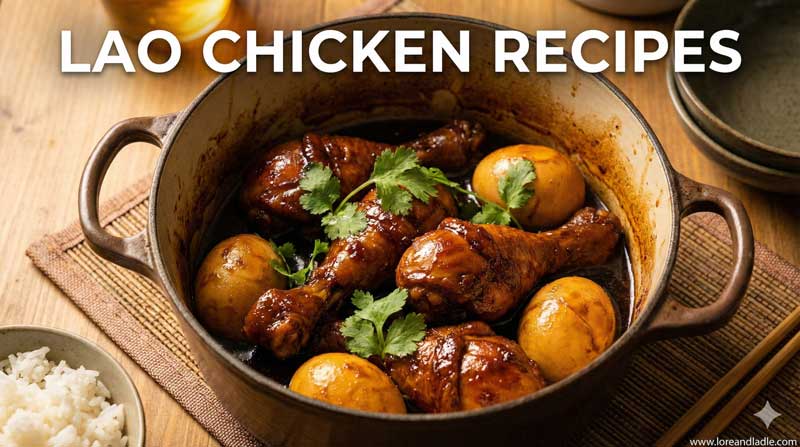
Welcome to Classic Lao Chicken Recipes for First-Time Lao Food Fans
This post invites you to explore Classic Lao Chicken Recipes for First-Time Lao Food Fans. Here, you will discover how a simple chicken dish can carry a rich sense of place. The flavors are bright and balanced, and the cooking rituals are warm and welcoming. You will see how Lao cooking honors fresh ingredients, precise technique, and shared meals. This guide focuses on cultural value and culinary significance, and it stays clear of politics or distant histories. It celebrates the beauty of Lao chicken in everyday life.
The Cultural Heart of Lao Cuisine
Laotian cooking centers on balance. The best dishes harmonize sour, salty, spicy, and fragrant notes. Fresh herbs play a starring role, and every bite tells a story of farmers, markets, and family kitchens. Sticky rice is a beloved staple that gathers people around the table. It serves as both food and a utensil, shaping how meals are shared. In Lao households, cooking is an act of care, patience, and generosity. When first-time fans encounter Lao chicken, they encounter a doorway to this thoughtful culinary world. The texture, aroma, and vibrant colors underscore a culture that respects nature’s gifts and the craft of seasoning.
Signature Dishes: Larb Gai and Gai Yang
Two classic Lao chicken preparations stand out for first-time tasters: Larb Gai and Gai Yang.
-
Larb Gai is a bright, citrusy minced chicken salad. The meat is seasoned with lime juice, fish sauce, and a touch of toasted rice powder for a gentle crunch. Fresh herbs—such as mint, cilantro, and a whisper of dill or greens—lift the dish with cooling aroma. The salad is typically served with sticky rice and herbs on the side. This dish celebrates balance and freshness, inviting you to savor contrasts: tart and savory, soft and crisp, warm and cool.
-
Gai Yang is Lao-style grilled chicken. The chicken is marinated with garlic, lemongrass, coriander root, and fish sauce, then grilled over charcoal until the skin turns smoky and fragrant. The result is tender meat with a subtle char that echoes outdoor cooking and communal meals. A light, tangy dipping sauce often accompanies the chicken, reinforcing the theme of bright contrasts that Lao cuisine loves.
Both dishes emphasize hospitality and shared eating. They are approachable for beginners yet deeply rooted in Lao culinary thinking. They show how simple ingredients, prepared with care, can express a region’s pride and seasonal flavors.
Fresh Ingredients and Artful Techniques
What makes these dishes uniquely Lao goes beyond the ingredients themselves. It is the method and the mindset behind them.
- Toasted rice powder (khao khua) for larb gai adds texture and a gentle nutty note. It is lightly roasted and ground to help perfume the dish with a memorable finish.
- Fresh herbs are used generously but thoughtfully. Mint and cilantro brighten the meat, while lime adds a citrus lift instead of heavy acidity.
- Marinades emphasize aromatic elements: garlic, lemongrass, and herbs mingle with fish sauce to create depth without overwhelming the palate.
- Grilling with a steady flame gives Gai Yang a smoky edge that resonates with outdoor dining and social gatherings.
- The mortar and pestle are more than tools; they are a bridge to tradition. Pounding herbs releases essential oils and connects cooks with generations of Lao kitchens.
These techniques invite home cooks to slow down a little, observe flavors as they develop, and savor the process as part of cultural appreciation.
Sharing, Hospitality, and Table Setting
Lao meals prize generosity and communal sharing. A typical table centers around sticky rice, served in small, palm-sized mounds. A platter of tender Gai Yang and a bowl of Larb Gai invite guests to assemble bites as they wish. Fresh herbs and vegetable slices accompany the dish, enabling each person to customize the balance of flavors.
The act of serving is itself a lesson in hospitality: offering the best to guests, arranging foods with care, and creating a moment of calm and connection. Even the simple act of dipping sliced chicken into a bright sauce becomes a small ritual that reinforces belonging and mutual respect. This cultural value—care in everyday meals—appears in every bite of classic Lao chicken.
Getting Started at Home
If you are trying Lao Flavors for the first time, begin with friendly, approachable steps.
- Choose quality chicken thighs for tenderness, or boneless breasts if you prefer.
- Prepare a simple marinade of garlic, lemongrass, fish sauce, and a touch of sugar. Allow the meat to rest so flavors soak in.
- For larb gai, toast a tablespoon of rice in a dry pan until golden, then grind into a fine powder. Stir it in at the end for texture.
- Grill Gai Yang over medium heat, turning once for even color and a gentle char. Let it rest briefly before slicing to keep juices intact.
- Serve with sticky rice and a bright herb salad. A light dipping sauce with lime and fish sauce echoes the dish’s balance.
These steps offer a clear path from curiosity to confident cooking. They invite you to explore Lao flavors with patience and joy, discovering how a single dish can open a wider cultural conversation.
A Gentle Invitation to Explore
Classic Lao Chicken Recipes for First-Time Lao Food Fans invites you to enjoy more than a meal. It invites you to learn about balance, generosity, and mindful preparation. By preparing Larb Gai and Gai Yang at Home, you connect with a tradition that treasures fresh ingredients, purposeful seasoning, and the pleasure of sharing.
Whether you cook for a quiet weeknight or a lively weekend gathering, Lao chicken offers a gentle path into a culture that values harmony and hospitality. The dishes are approachable, yet they carry a depth that rewards curious cooks who listen to aroma, texture, and flavor.
If you are new to Lao cuisine, take a patient, attentive approach. Let each bite teach you about balance and respect for the ingredients. And above all, enjoy the journey. The flavors you uncover may become a lasting part of your own cooking story.