
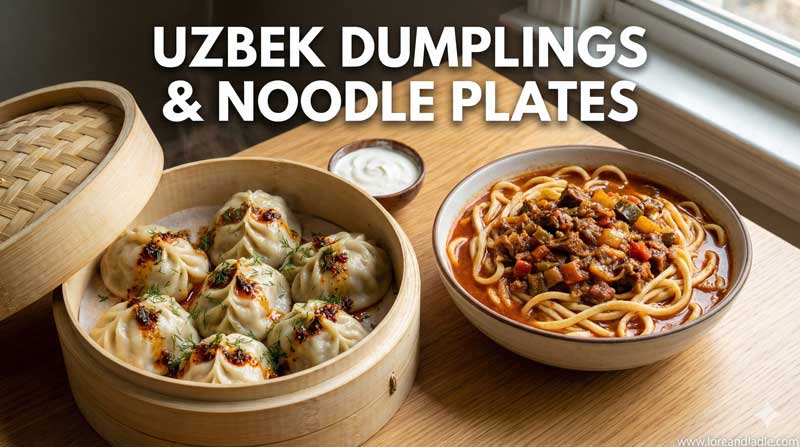
A Flavorful Introduction to Classic Manti
Classic Manti – Uzbekistani Dumplings & Noodle Plates Flavor You’ll Love invites readers into a kitchen where patience, skill, and tradition converge. This dish sits at the heart of Uzbek cooking, celebrated for its tender wrapper, fragrant filling, and the delicate aroma that rises from the steam. The experience begins with simple ingredients and grows into a cultural ritual that honors family, sharing, and careful preparation. Each bite offers a harmony of textures and subtle spices, a reminder that food can capture a region’s memory in a single plate.
The Cultural Value of Uzbek Hospitality
Food in Uzbekistan often acts as a language of hospitality. Classic Manti is a lucky ambassador for that language. It brings people together around the stove, around the table, and around stories shared between generations. When a family gathers to make manti, the act itself becomes a social ritual: dough is rolled, fillings are mixed, and each pocket is carefully sealed with a practiced touch. In this way, the dish carries warmth beyond its flavors. It signals welcome, generosity, and a shared moment of care. For guests, sampling manti is an invitation to feel connected to Uzbek culture through a homey, respectful experience.
Craft, Skill, and the Art of Manti Making
The making of Classic Manti is an exercise in technique and patience. First, a smooth dough is prepared from flour, water, and sometimes eggs. The dough rests, then stretches into thin sheets. Next, rounds or boat-shaped pieces are cut, and a spoonful of meat-onion filling is placed in the center. The dough is wrapped, and the edges are folded into delicate pleats to seal the pocket. Finally, the dumplings are arranged in a steamer or mantovarka and cooked until the wrappers become tender and translucent. This sequence—mixing, resting, rolling, filling, pleating, and steaming—highlights the care that underpins Uzbek culinary craft. The result is a dumpling that holds its shape and releases savory steam with every bite.
The Filling: Simplicity with Deep Flavor
A classic filling centers on ground meat, often lamb or beef, mingling with onions and gentle seasonings. The onion’s sweetness unlocks the meat’s depth as the dumplings steam. The balance is intentional: enough spice to lift the meat without masking its character, and enough moisture to keep the filling juicy inside the tender wrapper. This simple combination showcases how regional ingredients can become distinctive through technique. In many homes, families add their own touches—subtle herbs, peppering, or a hint of cumin—yet the heart remains consistent: a savory center that sings when steamed and paired with cooling accompaniments.
Steam as the Sculptor of Texture
Steam is the quiet craftsman behind Classic Manti. It transforms the dough into a supple, almost silky skin while preserving the filling’s moisture. The technique invites a light, bouncy bite where the wrapper yields easily, releasing a fragrant steam that mingles with herbs and yogurt at the table. Because the dumplings are cooked with steam rather than boiled in water, they retain a refined shape and a delicate chew. This method also allows the flavors inside to be vivid and clear, making each bite feel clean and satisfying.
Serving Traditions: Yogurt, Herbs, and Balance
Serving manti is a moment to honor balance and contrast. Many plates feature a cool yogurt-based sauce, often with garlic and fresh herbs like dill or cilantro. The cool sauce contrasts with the warm dumplings, creating a refreshing harmony on the palate. Some cooks drizzle a mild chili oil or sprinkle chopped herbs to add brightness. The plate may be finished with a squeeze of lemon or a sprinkle of ground pepper. These accouterments don’t overwhelm; they complement the dumplings and elevate the overall aroma, turning a simple dish into a thoughtful tasting experience.
Manti Across Uzbek Celebrations and Everyday Meals
Classic Manti exists in both daily meals and festive gatherings. It is as comfortable for a family dinner as it is for a celebratory feast. In homes across Uzbekistan, the dish can signal a special occasion or simply mark a loving routine of cooking for those at the table. The act of preparing manti together—rolling, filling, and sealing—becomes a moment of teaching and learning. Elders pass down tips on how to achieve the perfect dough thickness or the ideal pinch to seal a pocket. In this way, manti acts as a living archive of technique and memory, linking generations through shared practice.
Noodle Traditions and the Shared Palette
While manti are dumplings, their delicate wrappers and the light, airy balance of the filling often evoke the broader noodle tradition found in Central Asia. The idea of pairing soft dough with savory fillings resonates with the region’s love of noodle dishes and thin, refined doughs. Many households enjoy this dish alongside other noodle-inspired plates, or simply appreciate how the texture of the wrapper mirrors the satisfying chew of a well-made noodle. This shared culinary language—soft dough, careful folding, and a gentle, comforting steam—highlights a regional appreciation for dough-based dishes that speak to the same love of balance and technique.
The Modern Kitchen: Honoring Tradition with Accessibility
In today’s homes, Classic Manti remains approachable without losing its essence. Modern cooks can reproduce the dish with commonly available ingredients, while still preserving the core virtues: clean flavors, precise technique, and a sense of shared experience. Some Home Cooks experiment with the dough’s thickness or use a stand mixer to develop the elasticity, while others prefer the hands-on method that teaches rhythm and patience. What endures is the sense that manti invites everyone to contribute to a moment of cooking that becomes a memory.
Why This Dish Matters: Culinary Significance
- It elevates humble ingredients into a refined experience through technique and balance.
- It demonstrates how a simple method—steaming—can unlock a dish’s delicate textures and flavors.
- It embodies hospitality, care, and communal activities around food.
- It preserves regional identity by maintaining a distinctive filling, wrapper, and serving style.
- It connects generations, offering a shared language of skill, memory, and tradition.
A Thoughtful Conclusion: Embracing Classic Manti
Classic Manti – Uzbekistani Dumplings & Noodle Plates Flavor You’ll Love invites readers to slow down and savor a dish that stands as a testament to culinary technique and cultural warmth. The journey from flour and water to tender dumplings, from solitary kitchen work to a table full of voices, shows how food can carry a culture’s tenderness and pride. Whether you are tasting the steaming dumplings for the first time or revisiting a familiar comfort, this dish offers a respectful, inviting doorway into Uzbek food culture. Enjoy the textures, the aromas, and the quiet joy of sharing a plate that has learned from many kitchens and continues to welcome new ones.