
Introduction
Classic Manti – Uzbekistani Salads & Appetizers Flavor You’ll Love opens a doorway to a cherished kitchen tradition. This dish blends a careful dough with a fragrant filling to create bites that feel both comforting and celebratory. It sits at the heart of Uzbek cuisine, inviting friends and family to share in a moment of warmth. The flavor is bright and deep at the same time, a sign of careful technique and generous hospitality. In this post, we explore its cultural value and culinary significance with care and respect.
What is Classic Manti?
Manti are small dumplings that carry big meaning. The dough is thin, almost translucent, wrapped around a savory filling. Typical fillings feature seasoned ground meat and onions, sometimes herbs for fresh aroma. The dumplings are steamed to a tender finish, letting the flavors mingle with a light, silky texture. Serve them with a cooling yogurt sauce and a drizzle of chili oil or herbal oil, and the balance of hot and cool, rich and bright, shines through. In Uzbek kitchens, these dumplings appear in many shapes and sizes, from bite-sized bundles to larger, more generous portions. The result is a dish that invites careful chewing and lingering conversation.
The Craft Behind the Flavor
The craft begins with the dough: flour, water, a pinch of salt, and time to rest. Resting helps the dough stay pliable and delicate. Filling is chopped meat seasoned with onion, pepper, and salt. Some cooks add dill or parsley for a fresh note. Pleating the edges creates tiny, neat pockets that steam evenly. Steam is essential; a well-titted steamer or a wide pot with a steaming basket carries the dumplings to perfection. Texture matters as much as taste. A tender wrapper allows the meat’s juices to emerge with each bite. Finally, a yogurt-based sauce complements the warmth, while herbs add brightness. The result is a harmonious sequence of steps: mix, fill, pleat, steam, and serve with care.
Cultural Significance in Uzbek Cuisine
Manti demonstrate the importance of craft, patience, and sharing. The process often becomes a family activity, with generations guiding one another in dough work and folding. This shared labor reinforces bonds and passes techniques to younger cooks. Serving manti is also an act of hospitality. Large, round platters showcase abundance and invite guests to sample generous portions. The dish is versatile enough for everyday meals and special occasions alike. It pairs smoothly with simple Uzbek salads and light appetizers, making it a centerpiece that remains approachable. The cultural value lies in balance: the heartiness of meat, the softness of dough, the coolness of yogurt, and the brightness of herbs—all joining to tell a story of care and community.
Regional Variations and Presentations
Across Uzbek regions, manti show subtle differences. Some versions favor lamb, others beef, reflecting local flavors and livestock. The dough may be slightly thicker in some areas, or shaped into different forms to suit family traditions. Fillings might include finely chopped onions with pepper and a hint of cumin for warmth. Presentation follows local customs too: a heap on a wide platter allows shared portions, while smaller plates invite intimate tasting. These variations highlight how a single dish can adapt while preserving its core spirit.
Pairings and Serving Traditions
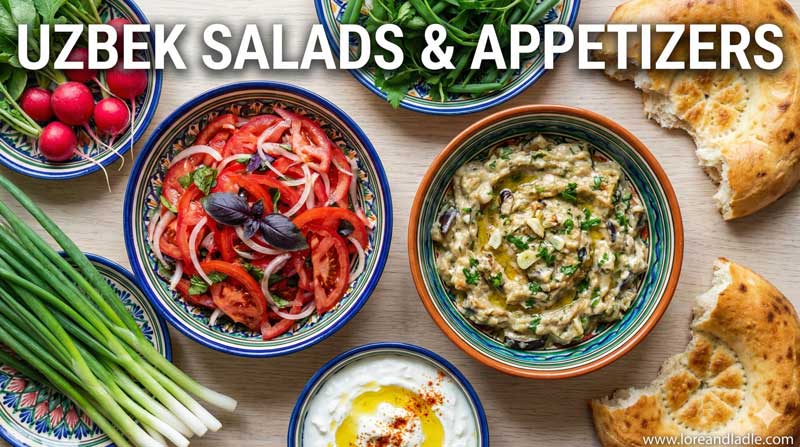
Classic Manti is often presented with fresh salads that cut through the richness. A crisp cucumber-tomato salad or a simple onion-dill mix complements the dumplings beautifully. A generous yogurt sauce, sometimes garlicky and dill-laden, adds a cooling counterpoint. A splash of chili oil or a mild pepper sauce provides a gentle heat for those who wish. Flatbread or warm, soft bread rounds out the platter, making the meal feel complete. Together, the dumplings, salads, and sauces create a balanced, inviting tasting experience.
A Gentle Closing with Gratitude for the Table
In Uzbek culture, food is a way to welcome, listen, and share. Classic Manti embodies that spirit with its careful technique and generous heart. The dish invites you to slow down, notice textures, and savor a moment of communal joy. By exploring its flavors and crafting method, you glimpse how cuisine can honor family, memory, and regional pride. When you encounter Classic Manti – Uzbekistani Salads & Appetizers Flavor You’ll Love, you encounter more than taste; you encounter a tradition that nourishes both body and culture.