
Introduction
Classic Qazi — Uzbekistani soups and stews flavor you’ll love sits at the heart of Uzbek cooking. This dish blends tenderness, aroma, and patience, creating a bowl that celebrates hospitality and daily life. It invites friends and family to gather, share stories, and savor a meal that feels both homey and refined. In Uzbek kitchens, a pot of Qazi carries the season’s best ingredients and the care of the cook who tends it, turning simple elements into something memorable.
What makes Classic Qazi special
What sets Classic Qazi apart is its thoughtful balance of textures and aromas. Meats such as lamb or beef bring richness, while vegetables like potatoes, carrots, and onions add sweetness and depth. Legumes, including chickpeas or lentils, introduce body and a comforting bite. The spice bouquet—cumin, coriander, black pepper, garlic, and fresh herbs—lends warmth without overpowering the natural flavors. The method matters too: ingredients mingle in a gentle simmer, allowing the broth to clarify and the meat to become melt‑in‑your‑mouth tender. Each simmer builds a layered, soulful essence that defines the dish.
The flavor profile and technique
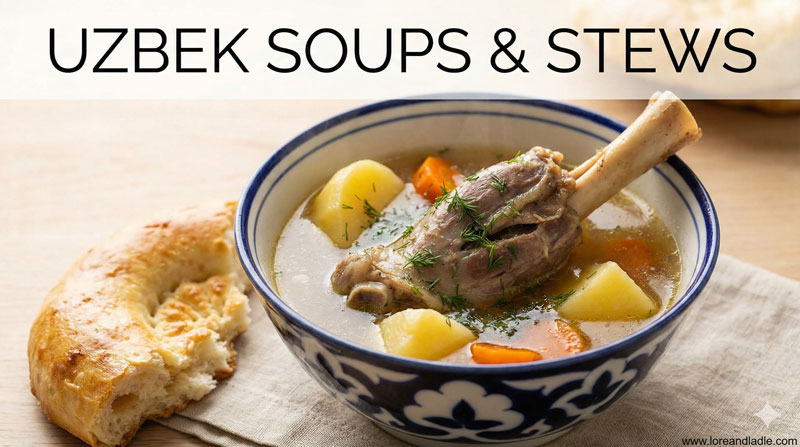
Classic Qazi delivers a clear, inviting broth with a hearty, almost stew-like texture. The spices ride the surface with a subtle kick, never shouting; they emerge in balance, letting the meat, beans, and vegetables speak. Fresh herbs, such as dill and cilantro, often brighten the pot near the end, adding a lift that feels natural and fresh. The technique favors slow, patient cooking, which rewards careful timing. As a result, the dish carries a homely fragrance that lingers and invites the next spoonful.
Cultural significance in Uzbek life
This dish is more than nourishment; it is a symbol of care and welcome. In Uzbek culture, cooking is a generous act that invites conversation and connection. A pot of Classic Qazi signals a moment to pause, share, and appreciate seasonal produce. The act of tending a communal pot—whether in a family kitchen or a neighborhood gathering—embodies generosity and respect for guests. The aroma, the steaming bowls, and the ritual of serving reinforce social bonds and everyday hospitality.
Regional variations and regional pride
Across Uzbekistan, households adapt the dish to local tastes. In Samarkand, you might find a slightly sweeter note from ripe vegetables and a hint of paprika, while in Bukhara, a leaner broth could foreground the meat’s depth. Tashkent kitchens may emphasize a brighter herb finish, drawing in fresh greens from nearby markets. These variations reflect regional pride and the joyful diversity of Uzbek cuisine, all rooted in the same nourishing technique.
Serving tradition and accompaniments
Classic Qazi shines when served with simple, timeless accompaniments. A warm, fluffy flatbread (naan) or chappati on the side makes dipping effortless and satisfying. A bowl of fresh herbs, a dollop of yogurt, and a bright squeeze of lemon or a sprinkle of herbs heighten the dish’s brightness. Tea follows the meal, offering a gentle, social close to the shared experience. These elements together create a complete moment of nourishment and community.
How to enjoy Classic Qazi at home
If you wish to recreate this flavor at Home, start with good ingredients and steady heat. Choose tender meat and let it brown lightly for depth. Add chopped onions, garlic, spices, and your chosen vegetables, then cover with seasoned broth and simmer slowly. Let the flavors mingle for an hour or more until the meat is tender and the vegetables hold their shape. Finish with fresh herbs, adjust salt to taste, and pair with warm bread. The result is a comforting bowl that tastes crafted and respectful of tradition.
Closing reflection
Classic Qazi embodies the beauty of Uzbek food culture: thoughtful preparation, generous sharing, and a reverence for ingredients grown nearby. It speaks to daily life as a ritual of care and connection. When you savor this dish, you partake in a culinary tradition that has nourished generations, inviting you to slow down, notice the aromas, and feel welcomed into a rich and enduring culture.