
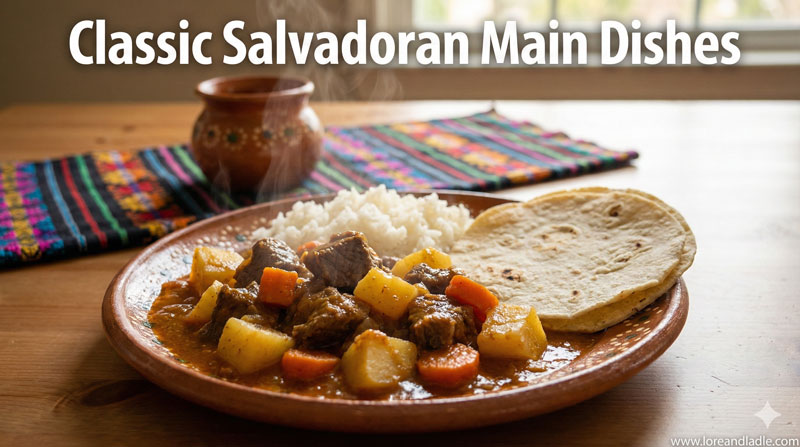
This blog introduces How to Make classic Salvadoran dishes for everyday dinners at Home, a friendly collection that centers on culture, craft, and the joy of sharing a meal. The goal is to highlight why these dishes matter in daily life and how you can bring their warmth and flavor into your own kitchen. The tone stays inviting, practical, and respectful of the beauty found in Salvadoran home cooking.
Introduction: why this dish matters at home
Salvadoran cooking centers on simple, bright, comforting flavors. Everyday dinners at home become meaningful when they honor tradition and welcome everyone to the table. This guide shows how classic dishes connect family stories, seasonal ingredients, and careful technique. You will see how masa, beans, and fresh produce come together to create meals that feel both familiar and exciting. The dish title itself, How to Make classic Salvadoran dishes for everyday dinners at Home, invites you to explore this living, delicious culture through cooking.
What makes Salvadoran home cooking special
At the core are a few dependable staples: corn, beans, rice, fresh herbs, and a touch of tang from curtido, a bright cabbage slaw. These ingredients travel through many recipes, carrying aroma, texture, and memory. The culinary language is clear and expressive: soft masa, fluffy rice, creamy queso, crisp slaw, and savory sauces. Techniques are practical and repeatable for weeknights: grinding or pounding masa, simmering beans, and frying with a light hand. The result is nourishment that feels comforting, generous, and easy to share with family and friends.
Classic dishes for everyday dinners: flavor, texture, and care
Here are five approachable dishes that fit well into busy evenings, while preserving cultural meaning.
-
Pupusas with curtido: A soft, thick corn tortilla folded with a simple filling, often cheese or beans. The exterior gets a gentle crisp on a hot comal, while the inside stays tender. Curtido provides a bright, crisp counterpoint with a tangy finish. This pairing is a staple in many homes, inviting conversation and shared bites.
-
Casamiento (beans and rice): A humble mix of cooked beans and rice, seasoned simply with onion, garlic, and herbs. The beauty lies in balance: creamy beans meet fluffy rice, each bite enhancing the other. It’s a reliable go-to that carries the warmth of family meals into any weeknight.
-
Sopa de frijoles (bean soup): A comforting bowl that centers seasoned beans, vegetable stock, and a touch of fat for richness. It can be light or heartier, depending on how you finish it with herbs or a squeeze of lime. This soup demonstrates how beans serve as the foundation for depth and aroma.
-
Yuca con chicharrón (tender yuca with crispy pork cracklings): Yuca offers a starchy, gentle bite, while chicharrón adds crunch and savor. The contrast is pleasing and satisfying, making this dish a favorite for relaxed dinners with family.
-
Tamales de elote (sweet corn tamales) or a simple corn-based tamal: A gentle, comforting preparation that shows the versatility of corn. Steaming preserves tenderness and brings a gentle sweetness that complements savory sides. It’s a pleasing option for a cozy meal and for sharing with friends.
Each dish demonstrates how modest ingredients become exciting through technique, timing, and care. The result is meals that nourish both body and spirit, emphasizing hospitality and togetherness.
The technique behind the flavors: key methods for home cooks
- Masa magic: Fresh masa or masa harina can be turned into soft dough for pupusas and tortillas. Working the dough just enough creates the right texture — tender yet sturdy enough to hold fillings.
- Griddling and gentle heat: A hot griddle or comal produces a delicate crust on pupusas while preserving a soft interior. Don’t rush; steady heat builds flavor and color.
- Beans that glow: Slow simmered beans become creamy with a touch of salt, onion, and garlic. A quick mash near the end adds silkiness and body.
- Bright curtido: A quick pickle of cabbage, carrot, and onion with vinegar, oil, and a hint of oregano or pepper yields a crisp, tangy counterpoint. It lifts every bite of a rich filling.
- Balancing textures: The contrast of smooth, creamy elements with crunchy toppings or crisp edges is a hallmark. Aim for variety in every plate.
A home pantry and kitchen setup for success
- Staples: dried beans, white or yellow corn flour, rice, onions, garlic, cilantro, and a few fresh herbs. A small amount of cheese or queso fresco adds creaminess to pupusas.
- Fresh produce: Cabbage for curtido, tomatoes for salsa, and lime to finish dishes.
- Proteins: Pork cracklings or small bacon pieces for chicharrón-style crunch, or a simple plant-based filling for pupusas.
- Tools: a reliable griddle or heavy skillet, a large pot for beans, a wooden spoon for stirring, and a sharp knife for easy prep.
How to build a week’s worth of meals with these dishes
- Day 1: Pupusas with curtido and a light tomato salsa for brightness.
- Day 2: Casamiento with a quick bean soup on the side.
- Day 3: Yuca con chicharrón, plus a fresh cabbage salad.
- Day 4: Sopa de frijoles with a squeeze of lime and cilantro.
- Day 5: Tamales de elote as a comforting weekend treat or a weekend family meal.
These meals share an easy rhythm: plan around a few core ingredients, keep preparation simple, and let each dish shine. The approach supports calm, enjoyable cooking and a pleasant dining experience.
Cooking with care: tips for authentic flavor at home
- Respect the corn: If you use masa, handle it gently and season gradually. Fresh masa shines and makes pupusas feel truly homemade.
- Layer flavors: A touch of onion and garlic at the start builds a warm foundation. Add lime, herbs, and a mild vinegar lift to brighten dishes.
- Don’t rush the simmer: Beans and soups benefit from steady simmering. This draws out sweetness and depth in a natural way.
- Keep textures in mind: Ensure there is a pleasing mix of soft interiors and crisp toppings or sides. Texture matters as much as taste.
- Make it your own: Adjust salt, heat, and acidity to suit your palate while preserving the dish’s core character.
Embracing the cultural value through cooking
Salvadoran meals at home tell a story of daily life, sharing, and care. The dishes honor family routines, market trips, and the rhythm of the week. Cooking these classics invites conversation, laughter, and connection around the table. The beauty lies not only in taste but in the way a kitchen becomes a welcoming space where memories are made and passed on.
Conclusion: inviting you to try these timeless dinners
How to Make classic Salvadoran dishes for everyday dinners at Home offers a friendly path to savor the culture through cooking. With simple ingredients, practical techniques, and a focus on sharing, you can create dinners that feel timeless and comforting. Each dish helps you see how Salvadoran flavors grow from everyday life. Start with one or two recipes, enjoy the process, and watch your family gather around the table with new stories and warm smiles.