
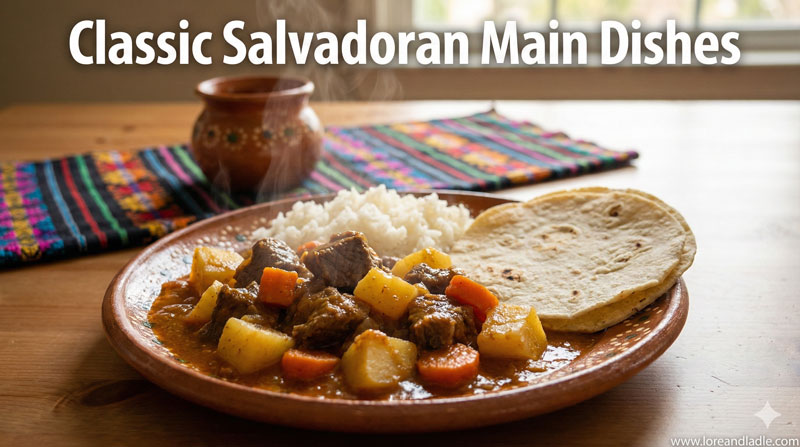
Discovering Classic Salvadoran Dinners: Loved Across the U.S.
Welcome to a celebration of everyday Salvadoran meals. This post centers on the cultural value and culinary significance of classic dishes that brighten weeknights and Weekend Gatherings alike. The meals you read about here are simple in method, yet rich in meaning. They carry familiar flavors across kitchens and into hearts. In short, they help define El Salvador’s food culture in a way that feels both timeless and alive.
Pupusas: The Heart of Salvadoran Everyday Meals
Pupusas stand at the center of many Salvadoran tables. They are sturdy corn tortillas stuffed with cheese, beans, or loroco, a local herb. The dough is easy to handle, yet the results are deeply satisfying. When cooked on a hot plancha, the edges crisp while the centers stay soft. Served with curtido, a bright slaw, and a simple tomato salsa, pupusas become a ritual of sharing and warmth. This dish embodies hospitality, family, and daily nourishment in a single, beloved bite.
Casamiento and Yuca con Chicharrón: A Duo of Comfort
Casamiento blends white rice and beans into a harmonious, creamy mix. The combination offers protein and starch in balanced measure, making it a dependable daily staple. Yuca con chicharrón adds a contrasting texture: tender cassava paired with crisp pork. Together, these elements reflect a practical mastery of texture and flavor. The result is a comforting plate that feels like home after a long day. These dishes highlight how Salvadoran cooks layer simplicity with depth, turning ordinary ingredients into something memorable.
Salsas, Curtido, and Plantains: Flavor Builders
Curtido and salsa roja bring brightness and depth to meals. Curtido, with cabbage, carrot, and a gentle vinegar lift, enlivens the palate without overpowering the main components. Salsa roja adds warmth and a clean kick that complements both pupusas and fried elements. Plantains, whether fried to caramel sweetness or simmered softly, provide a familiar sweetness that softens savory bites. These accompaniments show how sauces and sides can elevate a meal, guiding the eater through a cohesive flavor journey. The careful balance of acidity, sweetness, and warmth demonstrates the artistry behind everyday Salvadoran cooking.
Craft and Technique: Masa, Plancha, and Patience
Masa forms the foundation of pupusas, and it teaches patience in every step. The dough is mixed until smooth, then divided and shaped into even discs. Chefs press out thick, round centers that cradle the chosen filling. Cooking on a hot plancha requires attentive heat and timing; a few moments too long can dry the exterior, a moment too short can leave the center underdone. The result is a tender, flavorful bite with a pleasing chew. Similar care appears in other staples, where precise preparation elevates simple ingredients into a refined experience. This craft connects cooks across generations, passing down technique along with tradition.
A Living Culinary Tradition: Shared Meals, Shared Joy
These classic Salvadoran dishes thrive because they invite participation. Home Cooks shape masa, simmer beans, and fry plantains with care. In local eateries, chefs bring a personal touch to each plate, honoring time-honored methods while guiding new tasters toward authentic flavors. Across homes in the United States, families prepare these meals to celebrate everyday moments and special occasions alike. The beauty lies not only in taste but in the rituals surrounding the meal—the way tables are set, the way conversations flow, and the way leftovers become tomorrow’s comfort. In this way, the cuisine extends beyond sustenance to become a shared experience of joy, memory, and connection.
The Cultural Value and Culinary Significance of Everyday Salvadoran Dinners
These dishes showcase how culture is lived through food. They emphasize balance: simple ingredients arranged with care, timeless techniques, and flavors that feel both familiar and bright. The cultural value emerges in the way meals teach generosity, hospitality, and the pleasure of cooking for others. Culinary significance rests in the ability of these dishes to adapt to diverse settings while preserving core flavors. They invite experimentation—new fillings for pupusas, inventive toppings for curtido—without losing their identity. In this way, they remain strong anchors in daily life and welcome new cooks to participate in a shared culinary story.
Bringing Salvadoran Classics to New Tables
Today, these dishes travel with families who move between cities and states. They appear in homes, community centers, and local restaurants, inviting everyone to discover Salvadoran flavors. The same techniques—careful masa work, patient cooking, thoughtful seasoning—translate across kitchens, making these meals both approachable and sophisticated. For those curious about traditional Salvadoran food, these dishes offer a clear entry point: approachable textures, vibrant colors, and a confident sense of place. By savoring them, readers gain a deeper appreciation for the beauty and balance of Salvadoran cuisine.
If you seek a meal that blends comfort with cultural richness, start with pupusas, casamiento, and yuca con chicharrón. Add curtido and salsa roja to round out the plate. Finish with a cup of beverage that feels like home, and you have a dinner that honors tradition while welcoming the present. In this way, classic Salvadoran dishes become more than meals: they become a daily celebration of flavor, skill, and community, loved across the United States and beyond.