
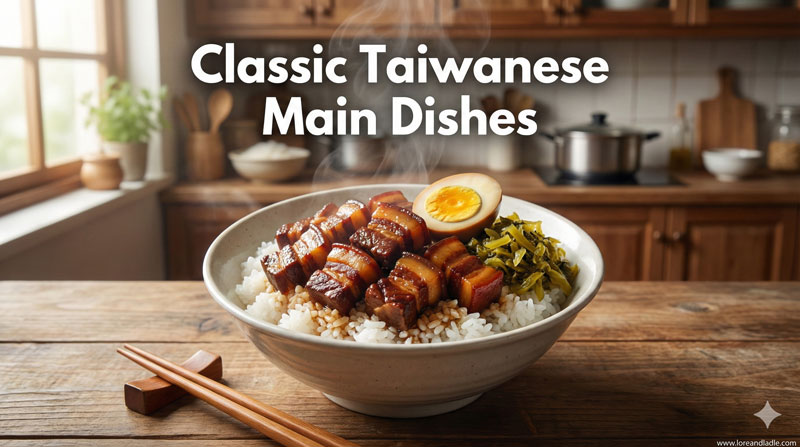
This post introduces the Best Classic Taiwanese Main Dishes Ideas That Bring Taiwan’s Flavors to Your Kitchen. It invites you to explore dishes that carry Taiwan’s culinary soul into home kitchens. The emphasis is on culture, technique, and the beauty found in everyday meals.
Why these dishes matter to Taiwan’s food culture
Taiwanese meals center around balance, seasonality, and shared joy. Each dish reflects careful technique and respect for ingredients, from simmered sauces to quick wok tosses. These dishes are beloved because they invite family warmth, quiet rituals of cooking, and the satisfaction of comforting, familiar flavors. They show how a few precise steps can transform simple components into dishes with depth and lineage. When you cook them, you participate in a daily tradition that celebrates both patience and immediacy.
Core techniques that shape the flavors
The backbone of classic Taiwanese cooking lies in thoughtful preparation and controlled heat. Braising creates deep, caramel-rich sauces. Simmering in soy, rice wine, and aromatics builds warmth and savoriness. Wok fever—high heat with rapid tossing—delivers texture and aroma in minutes. Fresh herbs add bright notes at the end. These methods show how the best flavors arise from balance: salt, sweetness, umami, and a touch of fragrance. Consistency and timing matter, yet each dish leaves room for personal touch.
The dishes: a short guide to flavor and significance
- Beef Noodle Soup (Niu Rou Mian): A hearty bowl with a comforting broth, tender beef, and chewy noodles. The soup teaches how simmering builds depth, while aromatics like star anise and cinnamon offer a gentle spice. It remains a symbol of warmth and nourishment in everyday dining.
- Lu Rou Fan (Braised Pork Over Rice): Slow-braised pork in a savory-sweet glaze rests on steamed rice. The dish highlights patience, the transform of inexpensive cuts into a satisfying meal, and the harmony of soy, sugar, and garlic in a single spoonful.
- Three Cup Chicken (San Bei Ji): Chicken braised in equal parts sesame oil, soy, and rice wine, with garlic, ginger, and basil. The result is a fragrant, glossy sauce that clings to meat and rice. It showcases how simplicity, when balanced well, becomes memorable.
- Oyster Omelette (Orh Jian): A seaside favorite featuring eggs, small oysters, and a starchy binder for a supple texture. The combination of briny oyster, crisp-edged egg, and a slightly sweet glaze reveals how contrast in texture elevates a dish.
- Gua Bao (Taiwanese Street-Style Bun): A fluffy steamed bun stuffed with braised pork, pickled mustard greens, and herbs. This dish embodies street-flavor through tenderness, bright pickles, and soft-cloud buns, all assembled for a balanced bite.
Bringing Taiwan’s flavors into your kitchen
- Start with a simple pantry core: good soy sauce, a splash of rice wine or Shaoxing wine, sesame oil, garlic, ginger, scallions, and a touch of sugar.
- Stock is essential: keep bones or scraps for broth, and use dried shiitake or mushroom powder for depth.
- Fresh aromatics matter: basil leaves for Three Cup Chicken, scallions, and cilantro for brightness at the end.
- Use proper heat and timing: simmer for depth in braises, then finish with a quick stir-fry for texture.
- Plate with care: a small bowl of broth, a glossy sauce, and a sprinkle of green herbs heighten the experience.
Plating, aroma, and the dining moment
A well-set bowl or plate invites the senses. Steam lifting from a hot broth or glossy meat glaze signals comfort. A final scatter of fresh herbs or pickles adds color and a zing of aroma. The beauty of these dishes lies not only in taste but in the whole moment: gathering, scent, texture, and a sense that Home Cooking can feel timeless and present at once.
A closing thought: the beauty of Taiwanese home cooking
These classic dishes reveal how Taiwanese cuisine blends careful technique with generous flavor. They honor ingredients, celebrate daily meals, and offer a doorway to a rich culinary tradition. By cooking these dishes at Home, you invite Taiwan’s flavors to your kitchen in a respectful, joyful way. Each bite becomes a small celebration of craftsmanship, seasonality, and connection.