
Introduction
Welcome to a warm, inviting look at the Best Classic Taiwanese Main Dishes Recipes That Bring Taiwan’s Flavors to Your Kitchen. This collection highlights the cultural value and culinary significance of beloved Taiwan staples. Each dish speaks to everyday life, shared tables, and a deep appreciation for fresh ingredients and careful technique. The goal is simple: help you feel the soul of Taiwanese cooking in your own kitchen.
The Heart of Taiwanese Home Cooking
Taiwanese cooking blends coastal abundance with mountain herbs, creating bright, comforting flavors. Meals center on balance—savory, sweet, sour, and umami mingle in every bite. Fresh produce, pork, seafood, and rice anchor many recipes. Texture matters too: crisp edges, tender meat, and silky sauces bring excitement to the plate. at Home and in markets, cooks adapt recipes to seasons and local ingredients, preserving a sense of place in every dish. This cultural thread runs through the dishes we celebrate here, reminding us that cooking is a daily art and a shared ritual.
Lu Rou Fan: Braised Pork Over Rice
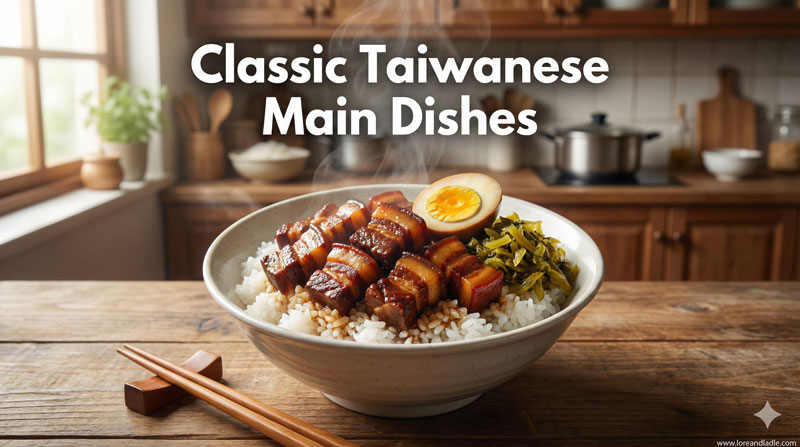
Lu Rou Fan is a jewel of Taiwanese home cooking. A small amount of pork belly braises slowly in soy, rice wine, and a touch of sugar until it turns glossy and tender. The sauce clings to fluffy steamed rice, making each bite rich and comforting. The dish embodies patience and simplicity: a few pantry staples, executed with care, yield a deeply satisfying meal. In households and street-side kitchens, Lu Rou Fan anchors family meals and weekend gatherings. Its aroma announces welcome and hospitality, inviting everyone to sit, savor, and enjoy the moment together.
Beef Noodle Soup: Comfort in a Bowl
Beef Noodle Soup offers warmth, depth, and a clear sense of place. Tender beef braises with aromatics, then meets a savory broth built on soy, aromatics, and a gentle sweetness. Noodles soak up the broth, while greens add brightness to the bowl. This dish travels from home kitchens to night markets, where cooks often put a personal stamp on the broth. The result is a dish that feels timeless yet fresh, perfect for sharing with friends and family. Its significance lies in its ability to unite textures and flavors into a restorative, everyday favorite.
Oyster Omelette: A Sea-to-Plate Favorite
The Oyster Omelette showcases Taiwan’s coastal harvest. Juicy oysters mingle with eggs and a small amount of starch, creating a soft, custardy interior and a lightly crisp exterior. A glossy, slightly sweet-sour sauce ties the dish together. This plate reflects the island’s close relationship with the sea and with quick, expressive home cooking. It’s a favorite in night markets and family dinners alike, offering a satisfying balance of protein, starch, and brightness from herbs and greens. Its social pull comes from sharing plates and trading cheerful flavors over a table of conversation.
Three-Cup Chicken: Aromatic Simplicity
Three-Cup Chicken relies on three generous ingredients—soy sauce, rice wine, and sesame oil—plus garlic and ginger for perfume. The technique is straightforward: brown the chicken, then braise slowly until the sauce reduces to a fragrant, lacquered glaze. The aroma fills the kitchen, inviting curiosity and appetite. This dish celebrates humble ingredients elevated by technique and patience. It pairs beautifully with steamed rice and a simple vegetable side, making it a reliable main course for Family meals and festive dinners alike.
Gua Bao: Soft Buns, Rich Fillings
Gua Bao, sometimes called pork belly buns, brings a street-food charm into the home kitchen. A fluffy steamed bun frames braised pork, pickled vegetables, cilantro, and crushed peanuts or sesame. The result is a playful bite that layers savoriness, tang, and crunch. Gua Bao reflects Taiwan’s love of shareable, hand-held dishes that bring people together around the table. Its versatility shines in casual meals, gatherings, and weeknight dinners when you crave a little street-food magic without leaving home.
Bringing Taiwan to Your Kitchen: Tips and Substitutions
- Fresh, local equivalents work beautifully. If you can’t find specific Taiwanese ingredients, swap in regional staples that carry similar flavors, such as alternative soy sauces, hakka or regional vinegars, or different aromatics while keeping the core technique intact.
- Build flavors in steps. Sear proteins first, then develop the sauce with ginger, garlic, and aromatics. Finish with a gentle simmer to meld notes.
- Embrace color and texture. Add pickled vegetables, greens, or crisp toppings to brighten each dish and create dynamic plates.
- Plan around sauces. A well-balanced sauce elevates the dish; taste as you go and adjust salt, sweetness, or acidity gradually.
- Pair thoughtfully. A light cucumber salad, steamed greens, or a simple miso soup complements these mains without overpowering them.
Why These Dishes Matter
These classic recipes are more than meals. They reflect a culture that values family, seasonality, and respect for ingredients. Each dish tells a story of how farmers, fishermen, markets, and cooks collaborate to craft flavors that endure. Cooking them at home invites you into that story, letting you experience Taiwan’s culinary rhythm step by step. The dishes celebrate technique—braising, simmering, and quick stir-frying—while honoring everyday ingredients that are easy to source in many places. They show how modest components can become memorable, sharing-worthy meals when treated with care.
Conclusion
The Best Classic Taiwanese Main Dishes Recipes That Bring Taiwan’s Flavors to Your Kitchen offer more than nourishment. They open a window into Taiwan’s culinary heart, where balance, technique, and warmth converge. By preparing Lu Rou Fan, Beef Noodle Soup, Oyster Omelette, Three-Cup Chicken, and Gua Bao at home, you invite a slice of Taiwan’s food culture to your table. Welcome the aroma, enjoy the texture, and savor the sense of connection that comes with cooking and sharing these timeless dishes.