
Introduction
The Classic Tandoor Bread – Uzbekistani Rice & Pilaf Specialties Flavor You’ll Love invites readers into a warm corner of Central Asian cuisine. This bread is more than a staple; it is a doorway to shared meals, family kitchens, and the careful craft of traditional baking. In Uzbek cooking, bread and pilaf sit at the center of many feasts and everyday dinners. This combination—tandoor bread and rich plov—reveals how flavor, texture, and technique weave together to tell a culture’s story.
The Tandoor Oven: A Hearth of Flavor
The tandoor oven is a beloved centerpiece in many Uzbek kitchens. Built of clay and heated with wood or charcoal, it radiates even heat that sings into the dough. The bread clings to the inner wall, blistering as it bakes. The surface darkens in spots, creating a mosaic of crisp edges and chewy centers. Smoky aromas rise with every bake, inviting guests to sample the bread while it is still warm. This method—simple ingredients,yet full of character—highlights a philosophy of cooking that values patience, warmth, and a shared table.
Texture, Aroma, and Craft
Classic Tandoor Bread is crafted from a few honest ingredients: flour, water, salt, and a moment of fermentation. The dough rests, relaxes, and develops subtle tang. Shape is deliberate: round or elliptical loaves that cling to the hot clay and bake into a slightly blistered crust. When the bread emerges, the aroma is inviting—earthy, toasty, with a touch of sweetness from the baked surface. The texture is twofold: a crisp, crackling crust and a soft, tender interior that yields to a gentle press of the fingers. The result is bread that carries the room’s warmth and makes every bite feel like a welcome gift.
Pairing with Plov: A Harmonious Union
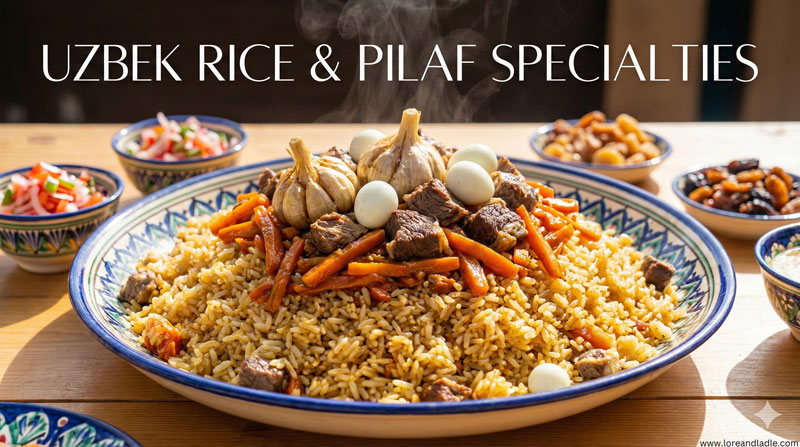
Uzbek rice pilaf, or plov, is a centerpiece in many meals where this bread shines. The pilaf’s grains glisten with oil, spices, and tender meat or vegetables. A bite of plov is balanced by a bite of bread, which acts as a utensil and a palate-cleanser at once. The bread’s sturdy, chewy crumb is perfect for scooping grains and savoring the sauce that lingers on the plate. In this pairing, flavor explores contrasts: the bread’s toasty note against the pilaf’s fragrant rice and cumin, maintaining a rhythm that feels both comforting and celebratory.
Regional Techniques and Variations
Within Uzbekistan, bakers may vary shapes, sizes, and toppings, while preserving the essential tandoor technique. Some loaves are brushed with a little oil and sprinkled with sesame seeds or nigella seeds for a gentle crunch and a hint of aroma. The bread may be thinner in some regions or a touch thicker in others, yet the core experience remains the same: a blistered crust, a soft interior, and a quick, radiant bake in the tandyr. These subtle differences offer a rich map of local practice, showing how communities honor a shared method while celebrating individual tastes.
Hospitality, Ritual, and Everyday Joy
Bread is a language of hospitality in Uzbek culture. Presenting a warm loaf at a table signals welcome and generosity. Sharing a slice of tandoor bread connects guests to the kitchen’s labor and to generations of home cooks who perfected this craft. In homes and markets, the sight and scent of fresh bread can lift spirits and spark conversations about family, seasonality, and food memories. The Classic Tandoor Bread embodies this spirit: it invites conversation, nourishes the moment, and honors the simple joy of well-made food.
The Cultural Language of Texture and Flavor
The bread’s texture speaks a cultural dialect of care. The crust’s crispness maps the oven’s heat and the baker’s timing, while the interior speaks of flour quality, hydration, and patience. Flavor—subtly toasty with a whisper of rye-like depth from the flour—carries a sense of place: a land of river valleys, warm summers, and bustling markets. This bread offers more than sustenance; it offers a sense of belonging in a shared culinary landscape where plov and bread travel hand in hand.
Serving and Celebration
In everyday meals and special gatherings, Classic Tandoor Bread offers versatility. Tear a piece to wrap a portion of pilaf, dab a little sauce from the plate, or simply enjoy a warm slice on its own. The bread’s enduring presence at the table makes meals feel complete, turning ordinary dinners into moments of connection. Its aroma and texture linger in memory, inviting future meals with anticipation and gratitude.
Conclusion: A Taste of Uzbek Culinary Heart
The Classic Tandoor Bread – Uzbekistani Rice & Pilaf Specialties Flavor You’ll Love stands as a warm expression of Uzbek culinary artistry. It honors technique, celebrates shared meals, and frames the plov as a beloved companion dish. Through the craft of the tandyr, bakers convert simple ingredients into an emblem of hospitality and culture. For anyone exploring Uzbek cuisine, this bread offers a respectful, delicious gateway to understanding how flavor, texture, and community come together at the table.