
Discovering Classic Tandoor Bread – Uzbekistani Dumplings & Noodle Plates Flavor You’ll Love
Classic Tandoor Bread – Uzbekistani Dumplings & Noodle Plates Flavor You’ll Love invites readers into a rich culinary landscape. This dish centers on a beloved bread cooked in a clay oven, paired with two traditional threads of Uzbek cuisine: dumplings and noodles. The result is a harmony of textures and scents that speaks to everyday life, family meals, and hours of careful preparation. You’ll taste a balanced blend of savory meat, aromatic herbs, and the smoky sweetness of bread baked in a tandoor. This is more than food; it is a window into a culture that values warmth, shared meals, and attentive craft.
A Window into Uzbek Hospitality
In Uzbek dining, meals are moments of connection. The presence of tandoor bread signals welcome and generosity. Hosts often present the bread first, inviting guests to break off a piece and dip or scoop. The dumplings and noodles that accompany the bread carry stories of family recipes and seasonal ingredients. Each bite is a small celebration of hospitality, a ritual that turns everyday cooking into a shared experience. The dish emphasizes generosity, with the bread acting as a common thread that brings dumplings, noodles, and sauces into one harmonious gathering.
The Craft of Tandoor Bread
The bread in this dish is more than a ingredient; it is a craft passed through generations. A soft, pliable dough is shaped by hand and pressed to the rim of a hot clay oven. The heat creates a blistered crust, a whisper of smoky aroma, and a tender crumb inside. Sesame seeds or nigella seeds often crown the top, catching the aroma as the bread bakes. The process requires patience and rhythm: mixing, resting, shaping, and finally baking in a tandoor that reaches high heat. The result is bread with a distinct character—crispy edges, a soft center, and an unforgettable fragrance that announces the meal with warmth and invitation.
Manty and Lagman: The Dumplings and Noodles
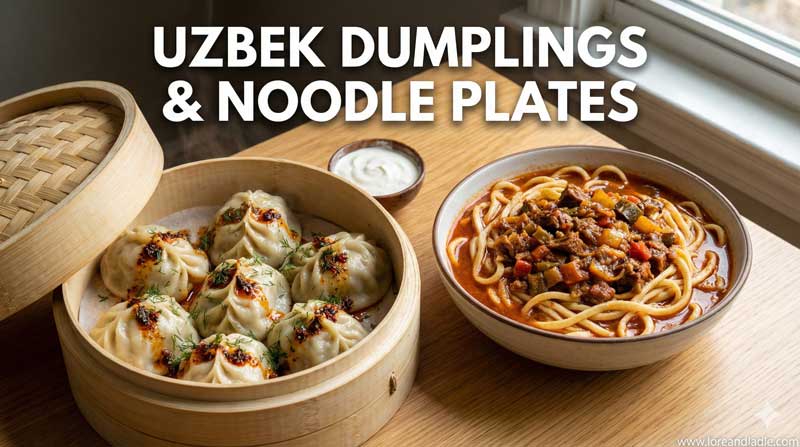
Two time-honored threads weave through this dish: manty, the dumplings, and lagman-inspired noodles. Manty are delicate pockets of dough filled with seasoned meat and onions. The filling can be lamb or beef, complemented by fragrant herbs. Each dumpling is a small art piece, steamed or gently boiled to a tender bite. Lagman-style noodles bring a different texture and momentum to the plate. Thick, hand-pulled strands mingle with meat, vegetables, and a savory broth or sauce. Together, manty and noodles offer a dialogue of textures—from soft dumplings to chewy noodles—and a chorus of flavors that sing against the smoky bread.
Aromas, Herbs, and the Regional Palette
The flavor profile centers on a regional pantry of herbs and spices. Cumin and coriander lend warm, earthy notes; dill and parsley brighten the dish with fresh green hints; black pepper and paprika add gentle heat. Garlic and onions deepen the savor, while yogurt or dairy accents provide a mild tang that balances richness. Fresh herbs often finish the plate, releasing brightness as the dish arrives at the table. This blend of spices and greens reflects a culinary vocabulary shared across Central Asia while allowing regional nuance to shine through in small, meaningful ways.
Texture, Balance, and the Food Experience
This dish thrives on contrast. The crackling edge of the tandoor bread gives way to a soft interior. Manty offer a tender bite wrapped in dough, while lagman noodles provide a satisfying chew. Sauces and broths add moisture and depth, ensuring that every element complements the next. The balance between bread, dumplings, and noodles creates a multi-sensory experience: visual warmth, aromatic invitation, and a palette of comforting flavors that linger pleasantly after the last bite.
Serving Traditions and Everyday Rituals
Serving this dish is an act of sharing. A platter or a warm tray presents the bread pieces, dumplings, and noodles in a way that invites communal tasting. Small bowls of yogurt sauce, herb oil, or chili-garlic zing may accompany the plate, offering optional enhancements. Tea often follows, providing a refreshing contrast to the savory richness. The practice of gathering around the same spread, passing portions, and savoring each bite together reinforces a sense of belonging and respect for the culinary craft.
A Culinary Bridge Within Central Asia
The dish speaks to a broader regional culinary language. While each area adds its own touches, the combination of tandoor bread, dumplings, and noodles reflects shared techniques and ingredients found across Uzbek, Turko-Matry, and neighboring cuisines. The bread’s texture harmonizes with dumplings’ tenderness and noodles’ resilience, illustrating how different elements can harmonize on a single table. This cross-cultural dialogue highlights how food connects communities through common methods, ingredients, and celebrations of skill.
The Cultural Value of Everyday Food
Beyond flavor, the dish embodies a philosophy of daily life: food is an expression of care, craft, and collaboration. The making of tandoor bread and the preparation of manty and lagman involve hands-on skill, patience, and practice. Families and friends often learn together, passing techniques from elder to younger cooks. The dish stands as a reminder that culinary art grows from shared effort and appreciation for time-honored methods. In this sense, the meal is a living tradition, continually renewed with every gathering and every plate.
A Respectful Celebration of Craft and Flavor
This dish is a respectful celebration of human craft. The bread’s oven-fired aroma, the dumplings’ delicate fillings, and the noodles’ comforting texture all honor the precise steps that bring each element to life. The result is not only satisfying but also meaningful: a testament to how simple ingredients—flour, meat, herbs—can be transformed through care into something communal and memorable. The dish invites diners to slow down, observe the preparation, and appreciate the artistry that shapes every bite.
Conclusion: Embracing a Timeless Taste
Classic Tandoor Bread – Uzbekistani Dumplings & Noodle Plates Flavor You’ll Love invites readers to savor more than taste. It offers a window into hospitality, craft, and shared meals that color Uzbek food culture with warmth and enduring beauty. Through the smoky glow of the tandoor, the tenderness of manty, and the satisfying chew of noodles, the dish becomes a gentle ambassador of everyday tradition. By focusing on these cultural and culinary threads, we celebrate a cuisine that honors skill, family, and the joy of eating together.