
Introduction
Classic Tandoor Bread – Uzbekistani Soups & Stews Flavor You’ll Love invites you into a warm kitchen where a round loaf rises from a clay oven. This bread is more than food; it is a daily ritual, a symbol of sharing, and a bridge between meals. The crust crackles with warmth, the interior stays soft, and the aroma carries memories of family tables and friendly gatherings. In Uzbek cuisine, bread like this is a faithful companion to soups, stews, and hearty dishes. It flavors a meal with comfort, character, and a sense of place.
The Craft of Classic Tandoor Bread
The making of this bread begins with simple ingredients: flour, water, yeast, salt, and a touch of sweetness from time to time. Kneading develops the gluten, lending the dough a gentle chew. After resting, the dough relaxes and flavors deepen through fermentation. The dough is shaped into a broad round or oval loaf and then slapped onto the hot walls of a tandoor oven. in the high heat, the loaf puff rises, the underside browns to a toasty hue, and tiny blisters appear on the surface. Some bakers brush the top with a light oil or water to coax extra shine. Sesame seeds or nigella seeds sometimes crown the loaf, adding a whisper of perfume. The result is a bread with a crisp, aromatic crust and a tender, moist crumb. Each bite echoes a careful balance of technique and tradition.
Cultural Significance in Uzbek Cuisine
In Uzbek culture, bread holds a cherished place at the table. It is a sign of hospitality and respect, shared among family and guests alike. The dough is more than sustenance; it is a daily storyteller. Non, the Uzbek word for bread, is often treated with care from the moment it is baked to the moment it reaches the plate. Even the act of tearing bread by hand is a small ceremony, inviting conversation and connection. This bread complements other staples with a quiet dignity, acting as a familiar canvas for soups and stews to shine. The aroma of a tandoor oven can evoke memory and gathering, inviting people to linger at the table and savor each moment of the meal.
Pairing with Uzbekistani Soups & Stews
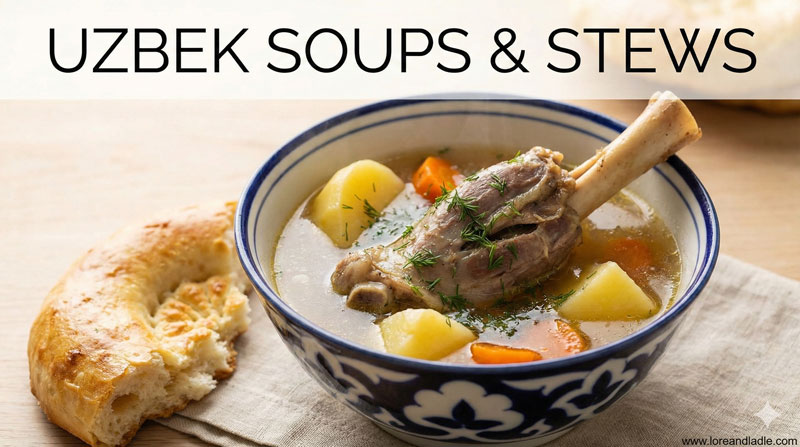
Shurpa, a deeply flavorful Uzbek soup, welcomes bread that soaks up its warm broth without becoming heavy. The Classic Tandoor Bread pairs beautifully with this broth, soaking up meat, herbs, and vegetables in each bite. The bread also holds up to the heartiness of stews that simmer slowly with beef, lamb, potatoes, and peppers. As a dipping partner, it adds texture and a gentle sweetness that offsets savory, tangy, and earthy notes. The result is a balanced, satisfying plate where bread and soup or stew enhance one another. This is how the flavor profile of Uzbekistani soups and stews meets a bread with character: a mutual embrace of warmth and comfort.
The Tandoor Technique: Fermentation and Aroma
The tandoor oven plays a starring role in this bread’s character. Its clay walls retain heat, creating a blazing, even surface that crisps the crust quickly while leaving the inside soft. Fermentation deepens the dough’s flavor, giving a subtle tang that complements meat-based broths and vegetable stews alike. The smoke from the charcoal adds a gentle, earthy dimension that lingers on the crumb. When the loaf is ready, the aroma fills the kitchen—nutty, toasty, and inviting. This sensory experience—sight, smell, and texture—forms a memorable part of Uzbek culinary practice and signals the arrival of a shared meal.
Regional Variations and Shapes
Across Uzbek kitchens, you may find slight variations in shape, size, and toppings. Some bakers craft a larger round loaf to accompany a family feast, while others create smaller, hand-sized rounds for everyday meals. Toppings can include sesame seeds, nigella seeds, or a delicate brushing of oil to finish. The choice of flour—white, whole wheat, or a blend—alters color and texture but keeps the bread’s essential charm: a sturdy exterior and a tender heart. These variations reflect local preferences, seasonal grains, and the practical needs of a table that welcomes many mouths to share.
Serving and Etiquette
Serve the bread warm on a clean cloth or plate. In a family setting, guests often tear pieces with their hands and pass the loaf clockwise, signaling warmth and hospitality. Use the bread to scoop soups and to wrap morsels of stew with vegetables and meat. Avoid cutting with a knife; breaking the bread by hand honors the tradition and keeps the texture intact. Easy to share, the bread invites conversation and slows the pace of a meal, letting each bite feel intentional and generous.
A Taste of Community: Shared Meals and Gatherings
This bread embodies a sense of community. It arrives at the table with purpose, inviting everyone to partake, listen, and respond. The act of tearing and dipping becomes a small ritual of togetherness, a moment when flavor, space, and company align. In homes and markets, the aroma of freshly baked tandoor bread signals welcome. It is a quiet centerpiece for stories, advice, and laughter that flow around the steaming bowls of shurpa and other Uzbekistani soups and stews. The bread’s presence reinforces the beauty of daily life and the joy found in simple, well-made food.
In Closing: The Beauty of Food Culture
Classic Tandoor Bread – Uzbekistani Soups & Stews Flavor You’ll Love stands at the crossroads of technique, flavor, and tradition. It showcases how a well-crafted bread can elevate meals, deepen cultural resonance, and invite people to linger at the table. The crust’s crackle, the crumb’s softness, and the inviting aroma speak to centuries of practice and care. When you bite into this bread, you taste more than flour and fire—you taste a living, generous food culture that welcomes everyone to share in a comforting, soulful meal.