
Introduction
This post introduces Classic vs Modern Takes on Myanmar Rice & Noodle Bowls in the U.S. It celebrates how a simple bowl can carry warmth, memory, and daily joy. The dish blends fragrant herbs, bright citrus, and satisfying textures. In homes and in kitchens across the country, these bowls invite conversation, experimentation, and shared tasting moments. The goal is to explore culinary significance and cultural value with a clear, respectful lens.
What Makes Myanmar Rice & Noodle Bowls Special
Myanmar bowls center on balance. They unite grains, broths or sauces, and fresh toppings in a single, comforting package. Rice offers a neutral, plump base that soaks up flavors. Noodles provide lift, flexibility, and bite. Aromatics—garlic, shallots, lemongrass, and fresh herbs—provide perfume and brightness. A careful touch of sour, salty, and lightly sweet notes ties everything together. In practice, cooks layer textures: soft rice or noodles, crunchy toppings, and silky sauces. This harmony makes the bowls inviting to both longtime fans and curious first-timers.
Classic Myanmar Bowls in Practice
Classic bowls in Myanmar reflect everyday dining and Home Cooking. A typical composition favors clean, lucid flavors and approachable technique. Think a comforting base of jasmine rice or rice noodles, a savory protein such as fish, chicken, or tofu, and a sauce that echoes Southeast Asian pantry staples. The finishing touches include crisp garlic oil, fried onions, fresh cilantro, lime wedges, and a scatter of chili for warmth. The result is a dish that feels both rustic and refined: nourishing, soulful, and straightforward to share with friends and family.
Signature Flavors and Techniques
Core techniques center on building layers. Start with a well-balanced base—whether a light broth for noodles or a rich sauce over rice. Then add a protein that suits the day, from delicate fish to plant-based options. Fresh herbs like cilantro and scallions brighten the bowl, while lime or tamarind adds gentle acidity. Aroma is essential: garlic oil, toasted sesame, and a hint of shallot bring depth. Toasted nuts or seeds can provide a welcome crunch. Across classic preparations, a light, clean finish helps the flavors breathe, inviting the palate to explore each component.
Modern Takes Across the U.S.
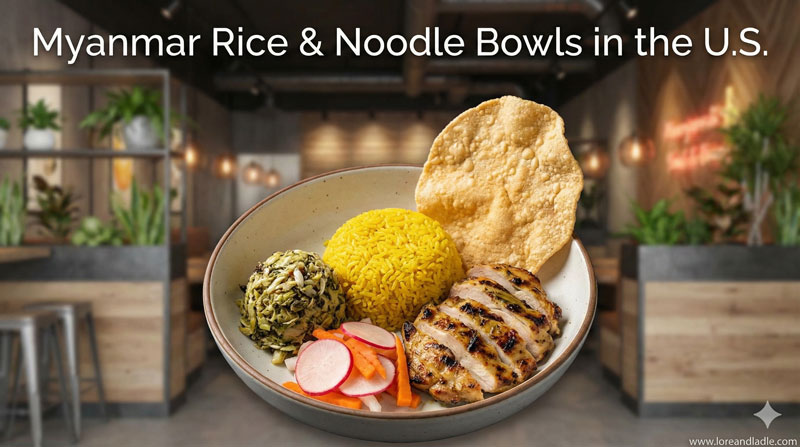
In the United States, chefs reinterpret Myanmar bowls with local ingredients and contemporary techniques. They honor tradition while inviting new textures and flavors. Expect options that emphasize sustainability, such as responsibly sourced seafood or plant-forward proteins. Vegetarian or vegan versions showcase chickpeas, mushrooms, or tofu with bright herb oils. Broths and sauces might lean into miso-informed richness or coconut-curry sweetness, always balanced so that the core Burmese flavors remain recognizable. Modern bowls often experiment with toppings—roasted seeds, pickled vegetables, citrus zest, or crisp fried shallots—to create new contrasts. The result is a vibrant dialogue between old and new flavors, where familiarity and novelty coexist harmoniously.
Building a Bowl: Craft and Rhythm
A well-made Myanmar bowl follows a simple rhythm that guides every bite. Start with a neutral base—rice or noodles—that anchors the dish. Add protein with care to keep texture varied. Spoon on a core sauce or broth, ensuring the surface is lightly glossy, not swimming. Layer garnishes in groups: bright herbs, citrus, heat, and crunch. Finally, taste and adjust with a squeeze of lime or a dash of fish sauce for balance. The rhythm is easy to follow, yet it rewards attention to detail. This approach makes the bowls approachable at Home and equally satisfying in a restaurant setting.
Ingredient Spotlight
- Jasmine rice or rice noodles: the soft, comforting foundation.
- Proteins: fish, chicken, tofu, or legumes, chosen for tenderness and flavor absorption.
- Aromatics: garlic, shallots, lemongrass, and ginger for perfume.
- Sauces and broths: light fish sauce-based dressings, coconut milk, or miso-inspired mixes for depth.
- Fresh accents: cilantro, scallions, mint, or basil to lift the dish.
- Citrus and heat: lime, lime zest, chilies, and a touch of tamarind for brightness.
- Crunch and color: fried shallots, toasted sesame, roasted seeds, and pickled vegetables.
Cultural Value and Shared Experience
These bowls are more than meals; they are social experiences. They invite hands-on involvement, from assembling toppings to adjusting heat. The act of sharing bowls fosters conversation and connection. In homes and eateries, the bowls become a canvas for seasonal ingredients and personal favorites. The care shown in selecting fresh herbs, balancing flavors, and presenting the dish with thoughtful garnishes communicates hospitality. By embracing both classic and modern takes, diners celebrate a living culinary tradition that adapts while honoring its core principles: balance, freshness, and generosity.
Pairings, Service, and Seasonal Play
Pairing suggestions emphasize clarity and balance. A light herbal tea or barley-based drink complements the brightness of the bowls. For those who enjoy a wider flavor arc, a crisp dry white wine or a citrus-forward sparkling beverage can enhance the experience without overpowering the dish. In seasons of abundance, cooks emphasize fresh herbs and vibrant vegetables for toppings. In cooler months, richer sauces or a touch of coconut milk can bring warmth while preserving the bowl’s character. Service is thoughtful: bowls plated with care, allowing guests to savor each layer from base to crown.
A Respectful, Neutral View of the Dishes
This exploration stays neutral and non-political, focusing on culinary value and cultural beauty. The bowls illustrate how a regional tradition can travel and evolve with grace. They offer a lens into everyday eating, seasonal ingredients, and the art of composition in a single bowl. Whether enjoyed in a cozy kitchen or a contemporary dining room, the bowls reflect a shared human affection for good food, thoughtful preparation, and convivial meals.
Language of Flavor and Memory
Flavor carries memory. The familiar tug of lime, the warmth of a toasted spice, and the scent of fresh herbs can evoke a sense of place and welcome. The modern reinterpretations keep that memory alive while inviting new lovers of Burmese-inspired cuisine to participate in the dialogue. In every bite, the dish communicates hospitality, care, and the joy of gathering around a shared plate.
Final Thoughts
Classic vs Modern Takes on Myanmar Rice & Noodle Bowls in the U.S. offer a thoughtful range of experiences. They honor timeless techniques while inviting contemporary creativity. The result is a food culture that is generous, inviting, and endlessly adaptable. If you approach these bowls with curiosity and kindness, you will discover a delicious bridge between tradition and today—where every bowl becomes a small celebration of flavor, craft, and community.