
Introduction
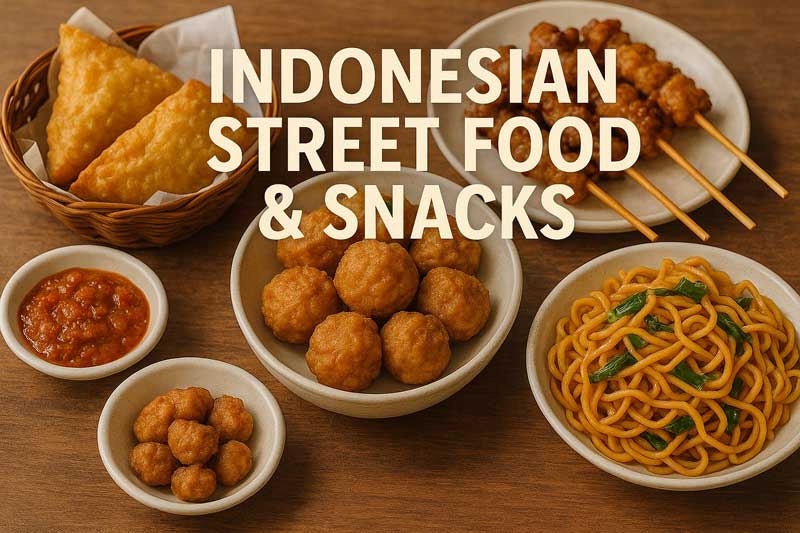
Grilled Coconut Rice Satay: An Classic Indonesian Classic to Try in the U.S. invites readers to a dish that embodies warmth, balance, and the bright heart of Indonesian cooking. This pairing of fragrant coconut rice with smoky, succulent satay skewers offers more than flavor; it offers a cultural invitation. The dish shines in any setting, from a cozy kitchen table to a lively restaurant menu, and it speaks clearly to the joy of shared meals. Through its ingredients and technique, it presents a welcoming portrait of Indonesian culinary artistry.
The Flavor Story: Coconut Rice and Satay
Coconut rice provides a creamy, aromatic foundation. The rice absorbs the sweetness of coconut milk, a touch of salt, and often a hint of pandan or citrus zest for fresh lift. The result is a tender grain with a subtle tropical perfume. Satay brings contrast and excitement: grilled skewers of meat or vegetables kissed with fire and seasoned with a vibrant spice blend. A classic peanut sauce, rich with roasted peanuts, garlic, palm sugar, and a tang of tamarind or lime, ties the plate together with a nutty, slightly sweet-sour finish. Together, the dish plays a symphony of textures and flavors: creamy, smoky, nutty, bright, and comforting all at once. The combination showcases how Indonesian cooks balance sweetness, savoriness, spice, and aroma in a single bite.
The Craft of Grilling Satay
Grilling is the heart of the satay experience. Skewers bring ingredients into close contact with heat, developing depth through caramelization and light charring. A well-made satay relies on a thoughtful blend of spices that layers aromatics—garlic, coriander, cumin, turmeric, lemongrass, and salt—to create a vivid, fragrant crust. The coconut rice acts as a soothing counterpoint to the bold grill notes. When the skewers rest on the plate next to a generous spoonful of peanut sauce, the dish becomes a study in texture: juicy meat, crisp edges from the grill, creamy sauce, and the tender bite of rice. The result is a dish that invites careful tasting and lingering enjoyment, rather than rushing through a single bite.
The Cultural Value in Indonesian Cuisine
In Indonesian cuisine, rice is more than a staple; it is a daily symbol of abundance and hospitality. Grains of rice appear at almost every meal, and meals are often built around sharing generous portions with family and friends. Satay itself is a flexible, approachable dish that travels well from street stalls to home kitchens, reflecting a culture that values accessible flavors and communal eating. The use of coconut in the rice highlights the pantry of tropical Indonesia, where coconut milk and grated coconut contribute both richness and fragrance. This dish, then, becomes a warm invitation to slow down, savor each bite, and appreciate the craft of flavor layering that Indonesian cooks practice with care and respect. The balance of creamy rice, smoky skewers, and nutty sauce mirrors a broader culinary philosophy: harmony among textures, balance between sweet and savory, and an aroma that lingers pleasantly in the air.
The Culinary Significance of Rice and Peanut Sauce
Rice serves as a neutral, comforting canvas that carries stronger flavors. In this dish, coconut elevates the rice into a tropical cornerstone, while the peanut sauce provides a savory depth that anchors the plate. The sauce’s roasted peanuts, plus heat and tang, demonstrate the elegance of building flavor through simple, well-chosen ingredients. The result is a dish that is both rooted in tradition and adaptable to contemporary tastes. The culinary value lies in its simplicity and its ability to welcome a wide range of accompaniments, proteins, and regional twists, making it a timeless staple in Indonesian cooking that travels well to new kitchens.
Regional Varieties and Adaptations
Indonesia offers regional nuances in satay and rice preparations. Chicken is a popular choice for skewers, but beef, lamb, pork, or tofu also appear, each bringing its own texture and character. Marinades may vary, with some cooks emphasizing turmeric’s warmth, others highlighting sweetness from palm sugar, and still others brightening the plate with lime or tamarind. Coconut rice itself can showcase subtle differences—some cooks add pandan leaves for an extra perfume, while others favor a hint of ginger or lime zest. This flexibility showcases the dish’s culinary resilience: a respectful nod to tradition while inviting personal interpretation.
Bringing It to the United States: A Culinary Bridge
In the United States, chefs and home cooks are discovering how Grilled Coconut Rice Satay resonates with curious palates. Authentic ingredients—creamy coconut milk, roasted peanuts, and fresh spices—are increasingly accessible, enabling faithful preparations. At the same time, cooks adapt the dish to local markets, using common proteins or plant-based options and adjusting spice levels to taste. The result is a welcoming bridge between Indonesian flavors and American dining culture. This dish invites experimentation with side dishes, garnishes, and presentation while preserving the core essence: a harmonious blend of creamy rice, grilled protein, and a bright peanut sauce that invites sharing.
Serving Experience and Hospitality
The presentation of Grilled Coconut Rice Satay makes hospitality feel tangible. A neat arrangement of skewers beside a rounded bed of coconut rice, with a generous spoon of peanut sauce, communicates care and abundance. Garnishes like cucumber ribbons, lime wedges, and fried shallots add color and snap. The dish invites conversation about flavors—where the coconut aroma came from, how the grill adds depth, and which notes stand out in the sauce. In many Indonesian gatherings, sharing plates and passing bowls creates a relaxed, friendly rhythm that makes everyone feel welcome. This is the heart of the dish: it fosters connection as people savor each bite.
A Gentle Invitation to Explore
Grilled Coconut Rice Satay offers a clear, inviting window into Indonesian culinary culture. It presents a balanced menu of comfort and craft, accessibility and refinement. For readers in the U.S., it is a flavorful invitation to explore a cuisine that celebrates tropical ingredients, careful technique, and the joy of communal meals. The dish stands as a reminder that great cooking often lives in simplicity, executed with intention and warmth.
Closing Thoughts
Grilled Coconut Rice Satay: An Classic Indonesian Classic to Try in the U.S. is more than a meal. It is a cultural experience that presents the artistry of Indonesian cuisine in a approachable, enjoyable form. With its creamy coconut rice, smoky skewers, and nutty sauce, the dish invites you to slow down, savor, and share. It stands as a small celebration of flavor, technique, and hospitality—an edible tribute to Indonesian culinary heritage that welcomes diners in the United States with warmth and delight.