
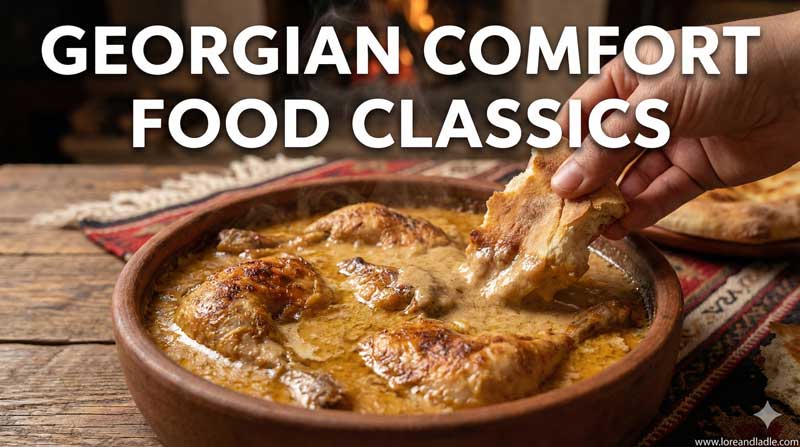
Welcome to a Cozy Sunday Georgian Dinner: Dinners to Try This Season
This post introduces a dish titled “Cozy family-style Sunday Georgian dinner Dinners to Try This Season.” It centers on cultural value and culinary significance, inviting readers to savor a meal that brings people together, awakens traditional flavors, and honors a time-honored way of cooking and sharing. The focus stays on the beauty of Georgian food culture and the warmth of a family table.
The Heartbeat of Hospitality
Georgian meals are more than sustenance. They are rituals of hospitality. A Sunday dinner crafted in this style welcomes neighbors, friends, and relatives with generosity and care. The host guides the pace, the table unfolds with shared dishes, and conversations flow as freely as the wine. This spirit of inclusion—people gathering to nourish body and bond—remains at the core of the dish. The meal becomes a living portrait of national flavor, artisanal skill, and the quiet art of making everyone feel at home.
Core Dishes and Their Significance
Georgian cuisine presents a vibrant tapestry of textures and tastes, and the Cozy family-style Sunday dinner reflects that diversity. On the table you might find:
- Khachapuri: a golden, cheese-filled bread that embodies comfort and ingenuity. It offers a dairy-rich, chewy contrast to crisp crusts and invites sharing.
- Khinkali: plump dumplings that carry savory fillings in a neat, hand-held form. Eating them becomes a playful, communal act as friends bite, sip, and savor the broth within.
- Lobio and Pkhali: hearty bean stews and walnut-tinted vegetable spreads that showcase earthiness, herbs, and a refreshing balance of crunchy and smooth textures.
- Badrijani Nigvzit: eggplant slices rolled around walnut paste, creating a melody of smoky, nutty flavors on the palate.
- Fresh herbs and grape-based accompaniments: dill, cilantro, mint, cilantro, and pomegranate seeds add brightness and contrast to richer elements.
These components illustrate a culinary language built around contrast and harmony. The dishes honor local produce, dairy, and grains while celebrating technique—dough bending, dough rising, dumplings folding, and slow simmering. The result is a menu that speaks to regional identity, seasonal availability, and the joy of sharing a table.
Techniques that Bind Flavor and Tradition
The beauty of this dish rests in technique as much as in taste. You observe careful kneading of dough for bread and khachapuri, patient shaping of dumplings for khinkali, and steady simmering for bean stews. The kitchen becomes a classroom where generations pass down skills—How to seal a dumpling so its juices stay inside, how to roll a crust to the perfect thickness, how to balance walnuts, herbs, and spice to create a lively yet comforting filling. These methods connect cooks with centuries of practice, while still inviting modern home cooks to adapt with confidence.
Communal cooking is another cornerstone. Family members may take on different tasks, supporting one another as aromas rise and the table fills. This shared labor is more than efficiency; it nurtures memory, trust, and a sense of belonging. The result is a dish that not only tastes right but also feels right to the people who prepare and share it.
Seasonal Flavors and Local Pride
Seasonality shapes the dish in meaningful ways. In spring and summer, fresh herbs, young vegetables, and lighter finishes brighten the plates. In autumn, nuts, dried fruits, and ripe gourds may accompany the core items, lending depth and sweetness. In winter, heartier components—warmer spices, richer cheeses, and slow-cooked stews—bring warmth and comfort. Each season offers a new lens on the same family-style concept, yet the underlying spirit remains constant: a meal that gathers, nourishes, and celebrates local abundance.
The dish also showcases regional ingredients that Georgian cooks have refined over time. Cheese varieties used in khachapuri, the brightness of fresh greens, and the nutty finish of walnut pastes all reflect a deep connection to local orchards, fields, and markets. This link to place enriches the experience, turning a meal into a seasonal tour through flavors that geography and climate make possible.
The Table as a Cultural Stage
Serving this dinner in a family-style fashion places the table at the center of cultural expression. Platters are passed around, cups are refilled with wine, and voices mingle in a gentle rhythm of talk and laughter. The act of sharing, rather than presenting a tapestry of separate courses, emphasizes equality and warmth. Even when the menu spans several dishes, the table remains a democratic space where everyone contributes to the sense of ceremony.
In Georgian dining culture, toasts are a thoughtful thread through the meal. A simple nod to good health, a wish for happiness, or a note of gratitude can heighten the sense of belonging. These moments, small and sincere, reinforce the nourishment beyond the plate: connection, memory, and mutual respect.
Culinary Significance for Home Cooks
For home cooks, this dish offers a meaningful way to practice time-honored techniques while keeping the experience accessible. The emphasis on kneading and shaping dough, balancing flavors with walnuts and herbs, and presenting family-style dishes makes it possible to explore a storied cuisine without sacrificing practicality. The approach invites improvisation in the kitchen—adjusting fillings, experimenting with herbs, or swapping seasonal vegetables—while preserving the core values of care, balance, and generosity.
From a culinary standpoint, the dish demonstrates how simple ingredients—dough, cheese, beans, herbs, and nuts—can become a memorable feast when treated with attention and love. This is a reminder that culinary culture thrives on the thoughtful transformation of everyday items into comforting, shareable meals.
A Modern Moment for Tradition
Today’s table can honor traditional methods while embracing contemporary preferences. The dish suits a wide range of occasions, from a calm family Sunday to a celebratory gathering with friends. It adapts to modern kitchen setups and can be simplified or expanded to suit different group sizes. The essence remains the same: a warm, inviting meal that reflects Georgian culinary imagination and the hospitality at heart.
Practical Touches for Try-This-Season Readers
- Build a simple, shareable spread: a soft khachapuri, a bowl of khinkali or dumplings, and a couple of walnut-based dips.
- Include a fresh herb platter to brighten the plates and invite dipping with bread.
- Offer light, crisp wine to accompany the variety of textures, from soft cheese to savory dumplings.
- Create a calm, unhurried dining pace so conversation and flavor can mingle naturally.
These practical steps keep the focus on the cultural value and culinary significance of the dish, while making the experience approachable for home cooks.
Closing: An Invitation to Celebrate Through Food
The Cozy family-style Sunday Georgian dinner Dinners to Try This Season invites you to slow down, gather around the table, and savor the artistry of Georgian flavors. It highlights hospitality, technique, and seasonal pride—an enduring reminder that food carries tradition, warmth, and community. May your table be bright with conversation, your kitchen lively with shared work, and your plates filled with the comforting, vibrant taste of a culture that loves to nourish and welcome.