
Introduction
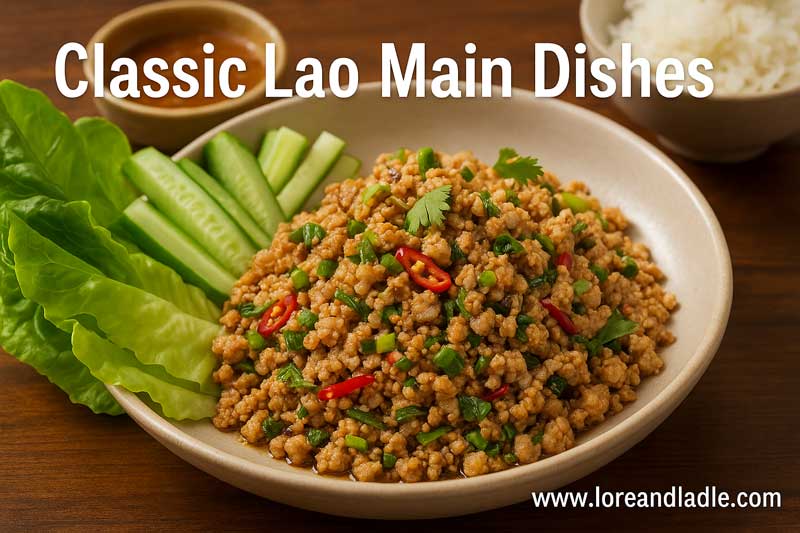
Warm and Comforting Classic Lao Main Dishes for Fall Evenings offers a welcoming look at Lao culinary culture. The collection centers on warmth, balance, and hospitality. Lao flavors shine in every bite. The dishes speak to seasonality, to daily gatherings, and to shared meals after a long day. They reveal how food can nourish the body and steady the spirit. This post focuses on cultural value and culinary significance. It explores how these dishes celebrate place, memory, and craft. It also shows how fall evenings become richer when loved ones gather around a table.
The Warm Heart of Lao Main Dishes
Lao main dishes often blend sour, salty, spicy, and herbal notes in harmony. Fresh herbs lift the palate and create a bright finish. Rich broths and gently simmered meats bring comforting depth. Texture matters, too: the bite of tender meat, the softness of a nick of steamed vegetable, and the plump yas of sticky rice. The result is a warm, inviting experience that suits cooler evenings. These dishes are not simply meals; they are rituals of care and connection. As you cook, you feel the culture in every step—from selecting ingredients to presenting Bowls for sharing.
Two Classic Anchors for Fall Evenings: Or Lam and Mok Pa
Or Lam stands as a hearty Lao stew that embraces vegetables, tender meat, and fragrant herbs. It eases into fall with a mellow, satisfying body and a bright finish from lemongrass and herbs. Mok Pa is a traditional dish of steamed fish wrapped in banana leaf. The aroma rises from fragrant herbs that infuse the fish gently. Both dishes demonstrate a Love for slow, thoughtful preparation. They invite simmering moments near the stove and late conversations at the table. These classics anchor seasonal menus and remind us of the calm strength of well-made food.
Core Ingredients that Define Lao Flavor
Lemongrass, dill, galangal, and kaffir lime leaves are more than ingredients; they carry tradition. Fresh chilies and garlic wake flavors with precision. Fish sauce adds a steady, savory backbone. Palm sugar or fair substitutes balance salt with a touch of sweetness. Sticky rice is the cultural anchor and a natural partner for many Lao main dishes. Fresh herbs like mint, cilantro, and dill brighten dishes at the finish. Each ingredient contributes to a clean, layered profile that feels comforting and bright at once. This is how Lao cuisine speaks of place and season in every bowl.
Techniques that Bring Comfort and Depth
Slow simmering helps meat and vegetables release their best flavors. Steaming, especially in banana leaves, preserves moisture and aroma. Pounding herbs and spices releases essential oils and fragrances. Layering ingredients in stages builds complexity without heaviness. The rhythm of preparing a Lao main dish often follows a gentle cadence: chop, simmer, stir, taste, adjust. The result is a dish that tastes like home, prepared with care and patience. These techniques reveal the beauty of traditional cuisine while remaining practical for fall weeknights.
Sharing, Hospitality, and the Social Table
Lao meals are social events. Food travels from a central spread to individual bowls, inviting everyone to share. Sticky rice anchors the table and one’s hands as people pick up bites together. Hospitality shines in small rituals: offering the first taste to a guest, ensuring a warm bowl is within reach, and inviting conversation as flavors unfold. This sense of welcome is a key cultural value. It makes fall evenings feel especially intimate and generous. The dishes become more than sustenance; they become a shared experience of care and gratitude.
Bringing Lao Comfort Home: Practical Tips
If you want to bring these fall-friendly flavors into your kitchen, start with the basics: lemongrass, dill, garlic, and fish sauce. For or lam, choose a protein you prefer and gather robust vegetables like eggplant and greens. Mok Pa benefits from fresh fish and banana leaves or a foil substitute when leaves aren’t available. If you cannot find dill in abundance, mint or cilantro can provide a similar herbal lift. To mimic a warm broth, simmer gently with a splash of lime juice toward the end for brightness. Sticky rice is easy to enjoy with any Lao main dish and helps create that traditional eating experience. A simple home setup, like a sturdy pot, a sharp knife, and a wooden spoon for gentle stirring, goes a long way.
A Gentle Invitation to Explore Lao Cuisine
Fall evenings invite slow cooking and mindful tasting. The Warm and Comforting Classic Lao Main Dishes for Fall Evenings offer a path to authentic flavor and cultural appreciation. Try Or Lam for a deeply comforting bowl, or Mok Pa for a fragrant, steam-kissed fish dish. Let the herbs lead the aroma and the broth carry the warmth of the season. Share a meal with friends or family, and notice how the table becomes a small, welcoming world. This is the beauty of Lao cuisine: simple ingredients transformed by care into something nourishing, respectful, and memorable.