
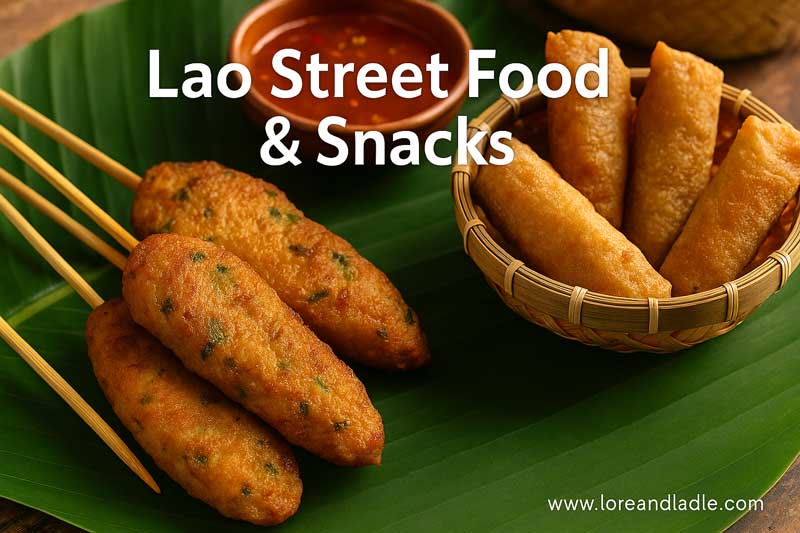
Cozy Cold-Weather Lao Street Food & Snacks Ideas
This collection celebrates warmth, color, and community. It highlights how Lao street foods become comfort during cool days and nights. Each bite carries a memory of markets, open flames, and friendly chatter. The focus here is on cultural value and culinary significance, not on politics or history beyond the joy of cooking. The result is an inviting guide to flavors that feel like a hug from Lao street life.
Warmth in the Market: core flavors that define Lao comfort foods
Lao street meals thrive on bright herbs, toasted spices, and a balance of heat and freshness. In cold weather, cooks lean toward rich broths, smoky grills, and spoonable textures. Lemongrass and galangal perfume the air, while mint, cilantro, and dill offer cooling counterpoints. Aromatic chili pastes, sesame oil, and coconut milk appear in sauces and soups. Together, these elements create a sense of place that is both lively and soothing.
Signature warm bites: soups, skewers, and sticky rice as a table partner
A few centerpiece ideas anchor the cozy menu. First, hot rice noodle soups bring comfort with silky noodles and a clear, fragrant broth. Next, charcoal-grilled skewers—meats or vegetables—bring a smoky depth that warms the hands and the heart. Third, Sticky Rice acts as a faithful companion, ready to soak up sauces or stand alone as a mellow counterpoint to spicy dishes. These components connect the street with the home, reflecting everyday Lao eating.
Rich dips and bright herb sauces: color and character in every bite
Jeow dips and herb sauces are essential to Lao street snacks. They fuse chilies, garlic, shallots, and lime with fresh herbs. The result Is a vibrant accompaniment that elevates simple bites. For cold weather, these sauces offer heat and brightness to offset heavier textures. Dips also encourage sharing, inviting diners to dip, taste, and discuss the flavors together.
Techniques that shape the flavor and texture
Open flames, wooden grills, and quick stir-fry methods are common in Lao street kitchens. Toasted rice powder adds a toasty note in sauces and soups. Slow simmering builds depth in broth-based dishes, while fast searing locks in moisture for skewers. These techniques produce a kitchen soundscape—sizzling, simmering, and the clink of small plates—that signals hospitality and care.
Cultural moments: sharing meals as a daily ritual
In Lao street culture, meals are often shared with neighbors and visitors. The act of passing bowls, offering a napkin, or helping someone manage a hot plate reinforces community ties. Seasonal greens, fresh herbs, and local chili varieties appear as neighborly gifts from market stalls to tables. This social dimension is as meaningful as the flavors themselves.
Home-cook tips: recreating the cozy experience in your kitchen
To bring this concept home, start with a simple stock base and a few fresh aromatics: lemongrass, garlic, shallots, and a touch of galangal. Simmer to release fragrance, then strain for a clean broth. Grill a small assortment of proteins or vegetables to add smoky notes. Keep sticky rice ready as a ready-made “plate.” Finish with a bright jeow-style sauce and a handful of herbs. The result is an authentic, comforting Lao-inspired meal.
Seasonal pairings and beverages: complementary flavors to enhance warmth
Pair these dishes with light, refreshing beverages to balance heat. A lime-scented tea or herbal infusion works well, as does a lightly sweet coconut drink. Fresh cucumber or mint water can cleanse the palate between bites. These pairings echo the Lao emphasis on balance and refreshment, even in cozy, cooler months.
Final thoughts: the enduring beauty of Lao street food warmth
Cozy Cold-Weather Lao Street Food & Snacks Ideas invites you to slow down and savor. Each dish reflects careful technique, bright ingredients, and a culture that values hospitality. The warmth comes not only from the bowls and steam but from the shared experience of eating together. In this light, the dishes become more than food; they become a living expression of Lao culinary heritage.