
Introduction
Crispy Shallot Fried Rice and Other Saucy Indonesian Dishes Loved in America is more than a menu item. It is a celebration of how simple ingredients can become vibrant, comforting experiences. This family-friendly cuisine teaches care in technique and a respect for balance. Each dish invites us to notice textures, aromas, and seasonal produce. The result is a kitchen that feels welcoming, curious, and warm.
The Star Dish: Crispy Shallot Fried Rice
Crispy Shallot Fried Rice centers on a single, dependable technique: turning shallots into golden, crackly jewels that perfume the rice with sweetness and depth. The rice itself is the canvas. When day-old grains hit a hot pan, they separate and sizzle, forming little edges that crackle with every bite. Garlic adds a sharp brightness, soy products bring savory depth, and vegetables brighten the plate. The method respects the quiet drama of heat and timing. First comes the aroma of shallots, then the hiss of frying rice, and finally the satisfying crunch that echoes in every mouthful.
Crispy Shallot Fried Rice travels beyond a standard fried rice by honoring a core Indonesian flavor pattern: a gentle sweetness from palm sugar or caramelized onions, a savory backbone from soy, and a bright lift from lime or vinegar. Small touches—a scrambled egg tucked through the grains, delicate herbs, a whisper of shrimp or chicken—make the dish complete without overpowering its foundation. The result is a balanced, approachable dish that feels at Home in Family Dinners and shared lunches alike.
Saucy Companions: Other Indonesian Dishes Loved in America
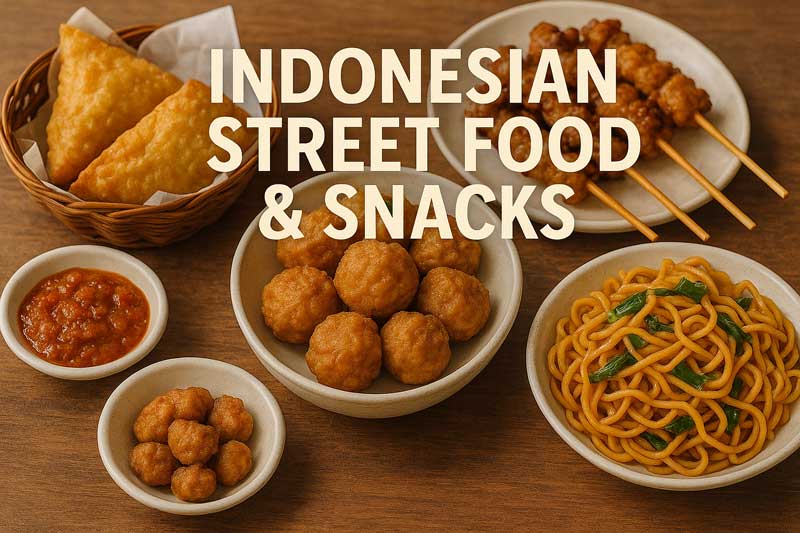
Indonesia offers a spectrum of saucy dishes that American readers frequently enjoy. Gado-gado, with its creamy peanut sauce, stands as a mosaic of vegetables, tofu, and eggs. The sauce binds the plate with rich, nutty warmth while letting crisp greens stay fresh. Mie goreng and nasi goreng show how noodles and rice can drink in savory sauces, smoky notes, and a touch of sweetness. A plate of satay, with a glossy, tangy peanut or soy-based glaze, demonstrates how simple skewers can become a social centerpiece. These dishes share a common language: sauces that carry depth, brightness, and texture, inviting extra bites and shared conversation.
What makes these sauces enduring is their ability to adapt. The same peanut sauce that coats gado-gado can partner with vegetables, noodles, or grilled protein. The sweet-savory line from kecap manis adds a signature Indonesian gloss that resonates in many kitchens. In America, cooks discover that these sauces travel well: they can be prepared in advance, stored, and finished with fresh ingredients. The result is comforting familiarity infused with a hint of exotic brightness. The cultural value lies not just in taste but in how sauce acts as an ambassador for a broader culinary language.
Techniques That Elevate Flavor
Key techniques elevate these dishes without complicating the home cook’s routine. Wok or large skillet work quickly, enabling high heat that gives both aroma and texture a strong voice. The art of frying shallots separately, then integrating them to preserve crunch, is a small but powerful technique that marks many Indonesian preparations. Balancing sweet, salty, sour, and spicy notes requires mindful tasting and adjustment. A splash of lime juice at the end brightens the dish, while a touch of chili elevates rather than overwhelms.
Sauce construction matters, too. A peanut sauce benefits from a moment of warmth to release oils and deepen aroma. A soy-based glaze gains complexity when a pinch of salt, a whisper of sugar, and a hint of tamarind or palm sugar reach the balance point. These sauces are forgiving in concept but precise in execution. The beauty lies in how a careful sequence—seasoning, simmering, finishing with a fresh element—transforms a simple plate into something memorable.
Cultural Value and Shared Tables
Cultural value emerges when these dishes move from pages to tables. They become part of gatherings where people ask for seconds, share stories, and celebrate flavors that feel both new and familiar. The humble shallot, when fried to a crisp, signals care and hospitality. The act of preparing a saucy dish invites conversation about ingredients, methods, and regional variations. For many households, cooking Indonesian-inspired dishes becomes a way to honor daily life—fruits of the market, seasonal greens, and the joy of family meals.
Beyond the kitchen, these dishes contribute to a broader respect for flavor diversity. They show that sauces can carry tradition while adapting to different kitchens and palates. The experience invites people to savor technique—how heat, balance, and texture work together—and to appreciate how cultural food practices shape everyday dining. The result is a food culture that feels inclusive, imaginative, and steadily evolving.
Practical Tips for Home Kitchens
- Start with firm rice and dry it slightly for better fry texture.
- Slice shallots thinly and fry slowly to amber before adding them back in for crunch.
- Use a hot pan and small amounts of oil to prevent soggy results.
- Taste the sauce near the end and balance with lime, salt, or a touch of sugar.
- Keep sauces on the side if you want to adjust heat for different eaters.
- Experiment with proteins and vegetables your pantry offers, maintaining the core flavor profile.
These tips help home cooks achieve restaurant-like depth without complicated steps. The focus remains on clarity, control, and enjoyment.
Pairings and Presentation
Pair these dishes with fresh herbs, cucumber pickles, or a simple crisp salad to brighten the plate. A light accompanying soup or broth can provide a comfortable opening. For beverages, consider chilled tea, sparkling water with lime, or a light beer. The idea is to create a balanced meal where sauces, rice, and crisp shallots complement each other without overpowering the palate.
Final Thoughts
Crispy Shallot Fried Rice and Other Saucy Indonesian Dishes Loved in America reveal a rich culinary landscape where technique, flavor, and cultural expression meet at the table. The dishes teach patience, precision, and generosity. They invite cooks to explore textures—from crackling shallots to silky sauces—and to share these discoveries with friends and family. In this way, the food becomes a language of warmth and curiosity, welcoming everyone to celebrate Indonesian flavors in everyday life.