
Introduction: Crispy Fried Tofu Bites and Indonesian Chicken Recipes Favorites for Indonesian Food Fans in the U.S.
This article explores the cultural value and culinary significance of two beloved Indonesian dishes: Crispy Fried Tofu Bites and popular Indonesian chicken recipes. For Indonesian food fans in the United States, these dishes offer more than taste. They carry memory, hospitality, and a rhythm of daily life. They invite gatherings, share, and a sense of rootedness in a lively food culture. Read on to discover how texture, flavor, and tradition come together in every bite.
The Crisp Appeal: Crispy Fried Tofu Bites
Crispy Fried Tofu Bites begin with a simple, sturdy ingredient: firm tofu. The charm comes from contrast. On the inside, the tofu stays soft and gentle; on the outside, a crisp, golden crust delivers a satisfying crunch. This balance mirrors a central Indonesian culinary attitude: respect for delicate ingredients while giving them a bold, clean finish. The texture is more than pleasure; it is a small ceremony of care in the kitchen.
Tofu plays a storied role in Indonesian cooking as a versatile protein that absorbs flavors. It invites a wide range of seasonings, from garlic and shallot to soy, chili, and sweet soy glaze. The bites shine when they are lightly seasoned, then dusted with a thin layer of starch—often cornstarch or rice flour—that dries into a crisp coat. A brief fry elevates the crust, while the tofu inside remains tender. In serving, a dip or sauce—such as a bright, tangy chili-lime mix or a rich peanut sauce—complements the bite without overpowering its delicate character.
Culturally, crispy tofu reflects Indonesian values of balance and harmony on the plate. It is a food that welcomes different tastes and textures in one mouthful. It is friendly to shared meals, easy to portion, and beloved in homes and casual eateries alike. For Indonesian fans in the U.S., Crispy Fried Tofu Bites can feel both familiar and new, a doorway to seasonal produce, local market finds, and the joy of Home Cooking.
The Flavorful World of Indonesian Chicken Recipes
Indonesian chicken recipes hold a central place in family meals and celebrations. The chicken serves as a canvas for regional flavor profiles, cooking methods, and beloved condiments. Across the archipelago, you will encounter fried chicken, grilled chicken, and simmered preparations that highlight herbs, coconut milk, and bold spices. The beauty lies in variety: even within a single dish, tiny regional touches sing in the sauce, the spice paste, or the finish.
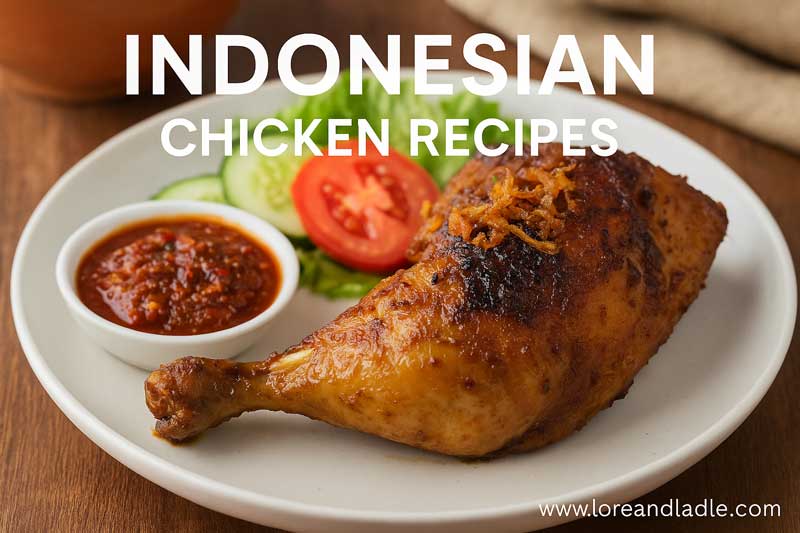
Two enduring favorites stand out. First, ayam goreng, the crisp fried chicken, is cherished for its golden skin and juicy interior. A simple, aromatic marinade follows a classic path: garlic, shallot, coriander, and a touch of turmeric, followed by a light coating that yields a crackling crust. Second, ayam bakar, the grilled chicken, offers smoky depth and a glossy glaze that often blends sweet soy with herbs and citrus. These preparations celebrate balance—savory, sweet, and a hint of brightness from lime or vinegar. They also reveal how Indonesian home cooks adapt to what’s on hand, using local peppers, herbs, and pantry staples to shape a dish that tastes like home, wherever the cook may be.
Chicken is a gathering food in many Indonesian families. It appears on weekly tables, at larger family meals, and during festive occasions. The dishes invite conversation, shared plates, and a sense of community around the meal. For Indonesian fans in the United States, chicken recipes become a bridge between tradition and new experiences. They invite experimentation with regional sauces and the comforting familiarity of rice and vegetables served alongside.
Cultural Significance: Food as Hospitality and Home
Food has a welcoming role in Indonesian culture. Meals are occasions to connect, celebrate, and slow down together. Crispy Fried Tofu Bites and Indonesian chicken dishes embody hospitality in a practical, delicious form. They are easy to share, easy to prepare for a crowd, and easy to adjust for personal tastes. A plate of golden bites and a platter of fragrant chicken become a small, meaningful gift to guests.
These dishes also reflect a respect for seasonality and local ingredients. Fresh tofu or paneled tofu, garlic, shallots, chili, herbs, and a family’s chosen spice paste all speak to the flavors available at a given time and place. The techniques—patience in marinating, careful coating, and mindful frying or grilling—mirror a broader culinary ethic: care, balance, and attention to detail.
Indonesian cooking often emphasizes balance among tastes and textures. The crisp bite from the tofu contrasts with the tenderness inside; the chicken’s savory glaze may mingle sweetness with a touch of sour, brightened by citrus or tamarind. This balance helps the dishes fit into a wide range of meals, from casual weeknights to more formal gatherings. For fans in the United States, these dishes offer familiar comfort with a colorful, layered flavor profile that invites curiosity and delight.
Techniques That Honor Texture and Flavor
Crisp textures arise from thoughtful technique. For Crispy Fried Tofu Bites, pressing the tofu helps remove moisture, allowing the surface to crisp more readily. A light dusting of starch protects the tofu’s surface and contributes to a rapid, even crust during frying. Double-frying is a classic method to ensure a strong crust and a tender interior, though a single good fry can also deliver satisfying results. The key is steady heat and mindful timing.
For Indonesian chicken recipes, the technique varies with the dish. Fried chicken leans on a seasoned batter or a dry rub, followed by a hot, quick fry to lock in moisture. Grilled chicken relies on a flavorful marinade and careful cooking to achieve a glossy glaze and a smoky aroma. Across both dishes, using fresh aromatics—garlic, shallot, ginger, lemongrass, coriander—helps lift the flavor and give each bite a distinct Indonesian signature. These methods celebrate the craft of cooking and the joy of turning simple ingredients into something memorable.
Flavor Identity: Umami, Sweetness, Heat, and Brightness
Indonesian flavors are defined by structure. Umami-rich components such as soy sauce or roasted aromatics deepen the taste. Sweet notes often come from kecap manis, a thick, fragrant sweet soy glaze that enriches sauces and glazes without overpowering the other elements. Heat arrives through chilies and sambal, which can be added to taste, providing a lively wake-up to the palate. Brightness arrives from lime, vinegar, or tamarind, lending a clean finish that refreshes the mouth.
In Crispy Fried Tofu Bites, a subtle balance is key: a light, savory seasoning that does not overwhelm the tofu’s gentle character, a crisp coating, and a dip that adds brightness or creaminess. In Indonesian chicken recipes, the combination of savory meat, a glossy glaze, and a touch of sweetness creates a comforting yet dynamic profile. These flavor identities help the dishes feel timeless, even as cooks adapt them with new ingredients or techniques.
Serving Traditions and Pairings
A well-rounded plate pairs steamed rice with a constellation of accompaniments. Fresh vegetables, pickles, or salads provide crunchy counterpoints that brighten the meal. A side of acar (pickled vegetables) or a simple cucumber relish can cut through richness and add acidity. Peanut sauces or spicy-chili-lime dips often complete the profile for Crispy Fried Tofu Bites, while Indonesian chicken dishes pair well with rice, sautéed greens, and a light broth or soup course in a larger spread.
Across households, serving style matters. A shared platter invites conversation, and a small dish placed within reach encourages everyone to sample and compare flavors. This communal approach to dining creates a sense of belonging and a living tradition. For Indonesian fans in the United States, the act of serving these dishes becomes a personal ceremony—an act of hospitality that travels well.
Regional Voices: Tofu and Chicken Across Indonesia
Indonesia’s vast geography yields many voices in its cooking. Java offers classic fried and glazed chicken with balanced sauces and aromatic herbs. Bali brings coastal herbs and chili-laden notes that create bright, vibrant flavors. Sumatra contributes peppery and coconut-intense profiles that warm the palate. In each region, tofu and chicken are expressed in distinct ways, yet they share a common thread: a love of cooking that is practical, flavorful, and welcoming.
This regional diversity enriches the experience for Indonesian food fans in the United States. It invites cooks to explore local markets, try new ingredients, and discover how a familiar dish can carry a new aroma or texture while staying true to its roots. The result is a flexible culinary language that families and cheering friends can speak together.
A Taste of Home for Indonesian Food Fans in the United States
In the United States, ingredients adapt to local availability. Fresh produce markets and international grocers often stock a wide range of soy products, chilies, and pantry staples. When a specific spice paste is hard to find, cooks can improvise with garlic, shallots, and a mix of dried spices to achieve a similar profile. This adaptability showcases the resilience and creativity of Indonesian home cooking. It also makes Crispy Fried Tofu Bites and Indonesian chicken recipes accessible to a broad audience, encouraging experimentation and shared meals.
The result is a hopeful culinary bridge. The dishes travel well, invite conversation, and offer a sense of continuity. They remind fans that high-quality, flavorful meals are possible with everyday ingredients and clear technique. Most importantly, they reinforce the idea that cooking is a way to welcome others, celebrate texture and taste, and cherish the beauty of Indonesian flavors.
Conclusion: A Living Kitchen of Tradition and Taste
Crispy Fried Tofu Bites and Indonesian chicken recipes celebrate cultural value and culinary significance in every bite. They honor hospitality, balance, and the joy of sharing a meal with friends and family. They invite cooks to honor texture, flavor, and the artistry of Indonesian food, whether at home or in a kitchen in the United States. These dishes are more than recipes; they are living expressions of food culture, inviting exploration, connection, and delight with each plate.