
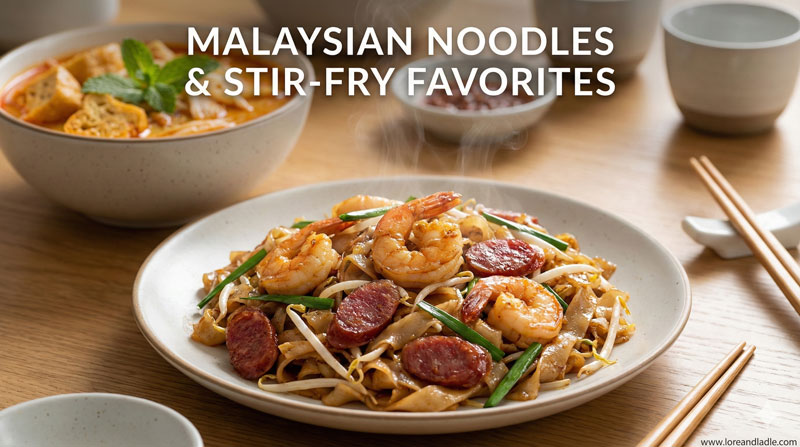
From Malaysia to America: A Home Cook’s Guide to Curry Laksa Noodles
Curry laksa noodles shine in every kitchen where curiosity and care meet. This dish blends freshness, warmth, and balance in a single bowl. In Malaysia, it stands as a vibrant expression of everyday dining. In American kitchens, it becomes an invitation to explore, create, and share. The cultural value lies in its ability to bring people together through aroma, texture, and flavor. The culinary significance rests in its skillful layering of ingredients and its versatile, welcoming nature.
The Heart of the Dish: What Curry Laksa Noodles Are
Curry laksa is a coconut milk–based soup with curry spices, herbs, and a bright tang. A good broth balances creaminess with citrusy lift and a gentle heat. The curry paste in the heart of the soup carries garlic, galangal or ginger, lemongrass, and chili. The result is a silky, golden broth that coats noodles and toppings with comfort and brightness. Noodles form the backbone; they can be rice noodles or egg noodles, depending on taste. Protein options vary, from chicken to shrimp to tofu, reflecting a flexible, homey approach to ingredients. Fresh herbs, lime, and a crisp bite from vegetables complete the bowl. This combination creates a dish that feels both familiar and adventurous, a bridge between home cooking and bold, aromatic markets.
Core Elements That Define the Experience
The most recognizable feature is the curry-laden broth. It should smell inviting, not overpowering. The aroma comes from toasting curry paste or spice blends, then simmering with coconut milk and stock. This simmering builds depth and a gentle radiance in the soup. Noodles add texture: tender yet slightly chewy, ready to absorb a hint of the curry without becoming mushy. Toppings—beansprouts for crunch, sliced cucumber for freshness, boiled egg or fried shallots for richness—provide contrast and color. A wedge of lime and a dab of sambal at the table let each diner tune the brightness and heat. Collectively, these elements celebrate balance: creamy, tangy, spicy, and crisp all in one bite.
Techniques That Elevate Home Cooking
Start with a fragrant base. Sauté aromatics, then blend them into a smooth paste to release their oils. Add stock and coconut milk gradually to keep the broth silky. Let the flavors mingle with a gentle simmer rather than a rapid boil. Cook proteins separately to maintain texture, then nestle them into the bowl just before serving. Noodles should be cooked to al dente, drained well, and warmed briefly in the miso-noodle style, not soaking in excess broth. Finally, arrange toppings with care. A tidy bowl is not just attractive; it helps each bite deliver the full spectrum of flavors. This attentive method highlights the dish’s culinary craft in a home setting.
A Modern Home Kitchen: Bringing Curry Laksa to America
In American kitchens, curry laksa becomes a canvas for local ingredients and personal taste. Home Cooks can tailor spice levels, swap vegetables, or add mushrooms for earthiness. The dish invites experimentation without losing its core identity. This flexibility makes curry laksa a popular project for weeknights or weekend cooking: it rewards patience with a rich, satisfying result. The cultural value emerges when families, friends, and neighbors gather to taste and discuss the flavors, preparation, and the small choices that shape the final bowl. In this way, curry laksa serves not only as nourishment but also as a shared culinary experience.
Serving, Pairing, and Everyday Joy
Serve curry laksa hot, in wide bowls that cradle the broth and noodles. Offer lime wedges and a small spoonful of sambal so everyone can adjust brightness and heat. Pairings are simple: a crisp cucumber salad or fresh herbs on the side can brighten the meal. A light, fragrant tea or a cooled citrus drink complements the coconut richness. The act of serving—placing toppings, watching the steam rise, hearing the first slurp—builds a moment of connection. This ritual underscores the dish’s cultural value: a meal that invites conversation, appreciation, and care.
Practical Tips for Every Home Cook
- Use fresh aromatics and a quality curry paste for a vibrant base.
- Balance coconut milk with stock to keep the broth from feeling heavy.
- Cook noodles separately to preserve texture.
- Layer toppings for color and texture variety.
- Adjust heat with sambal and lime to taste.
A Warm Invitation to Explore
Curry laksa noodles offer more than sustenance. They provide a doorway to aroma, texture, and shared enjoyment. In classrooms, kitchens, and dining rooms, the dish teaches balance, patience, and care in cooking. It celebrates color, aroma, and flavor as universal language. If you try this dish at Home, you invite a moment of cultural appreciation and culinary growth that is both simple and meaningful.